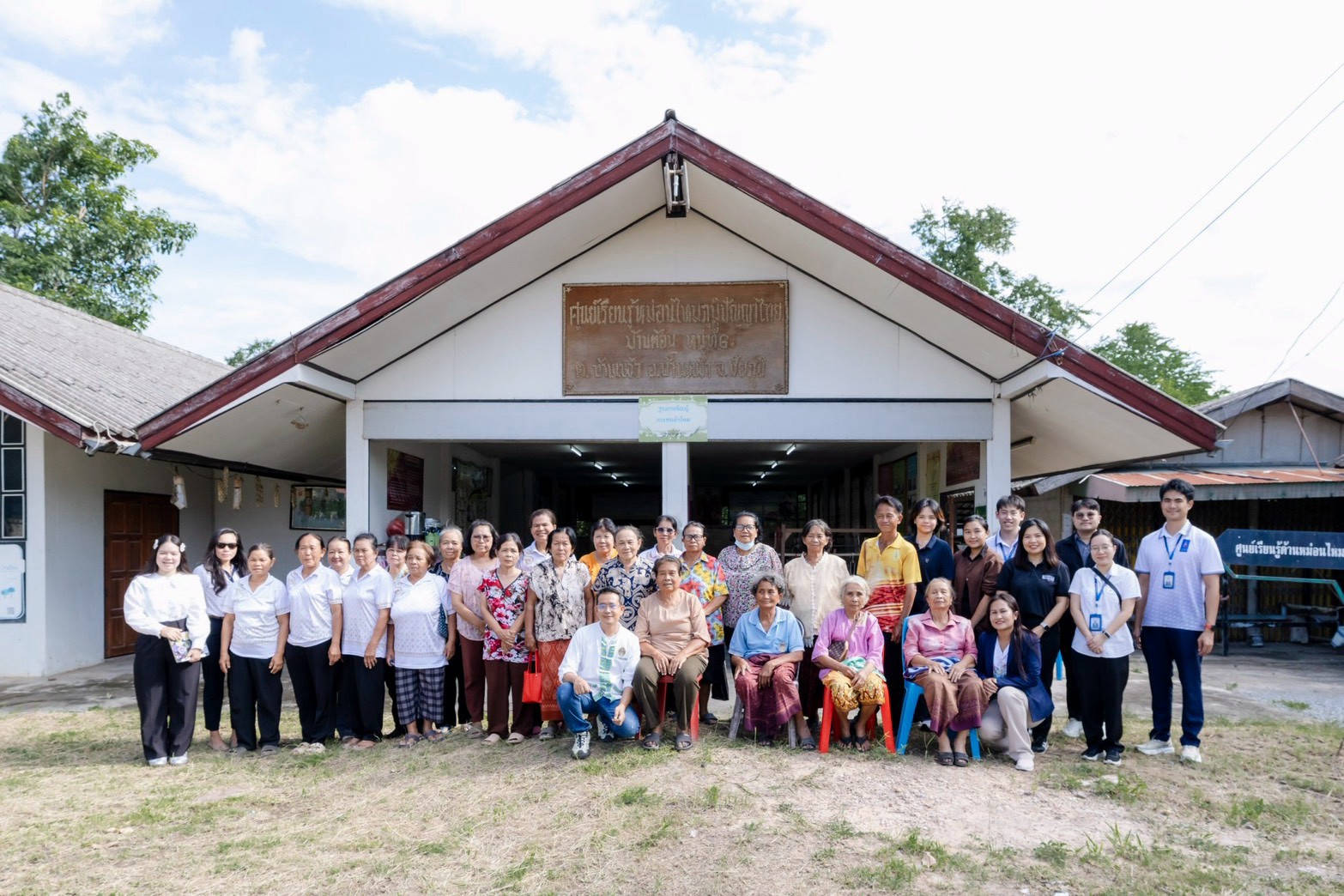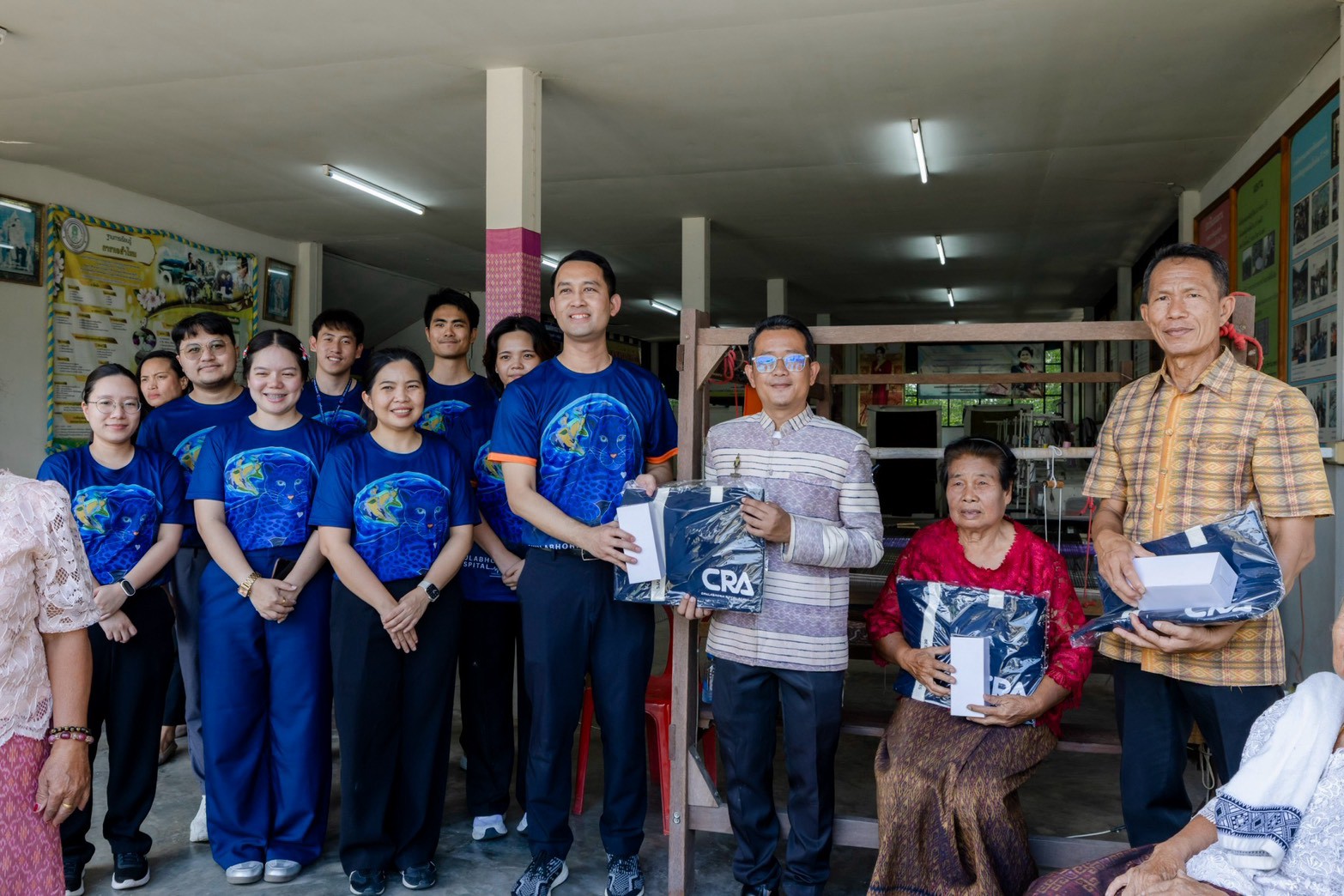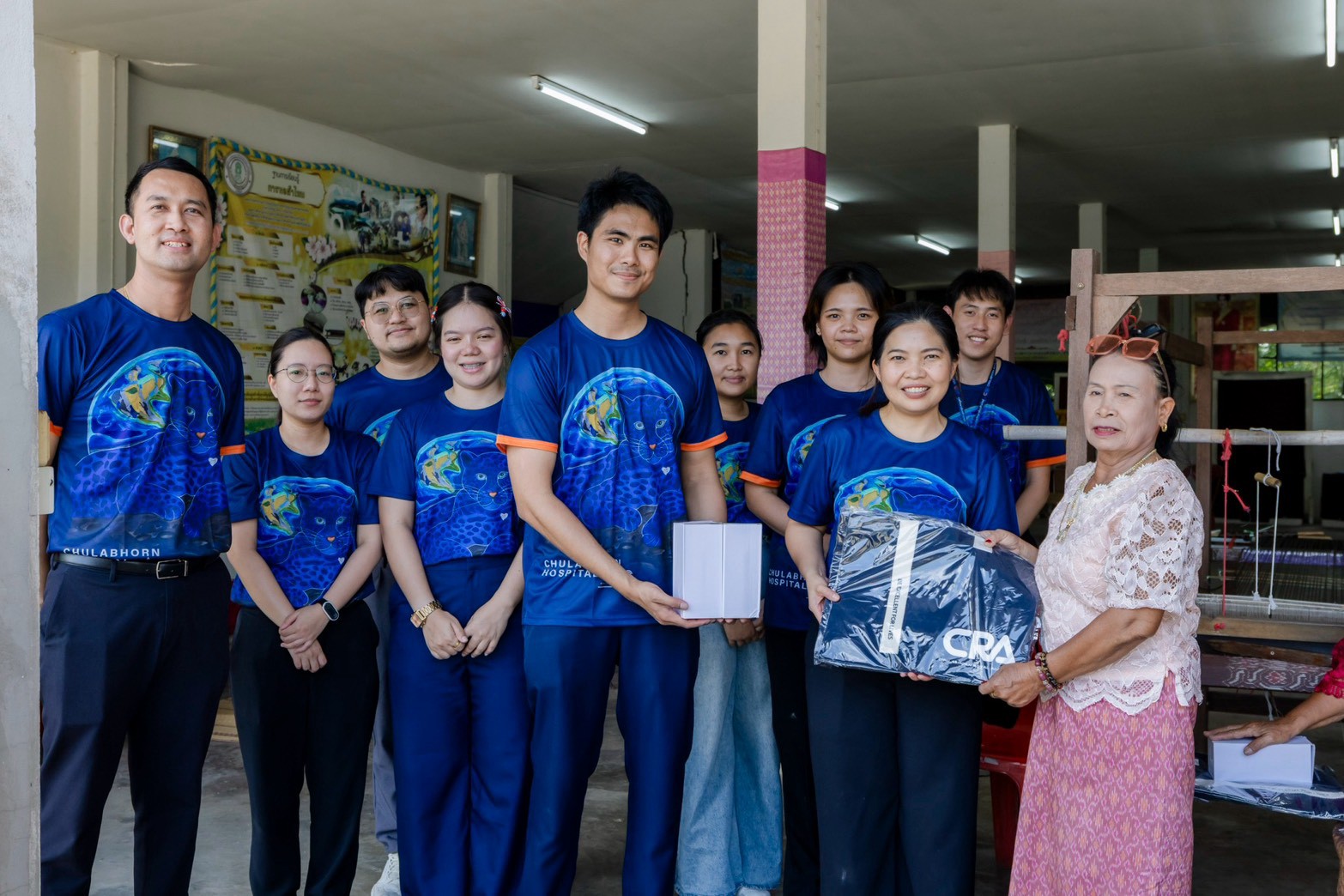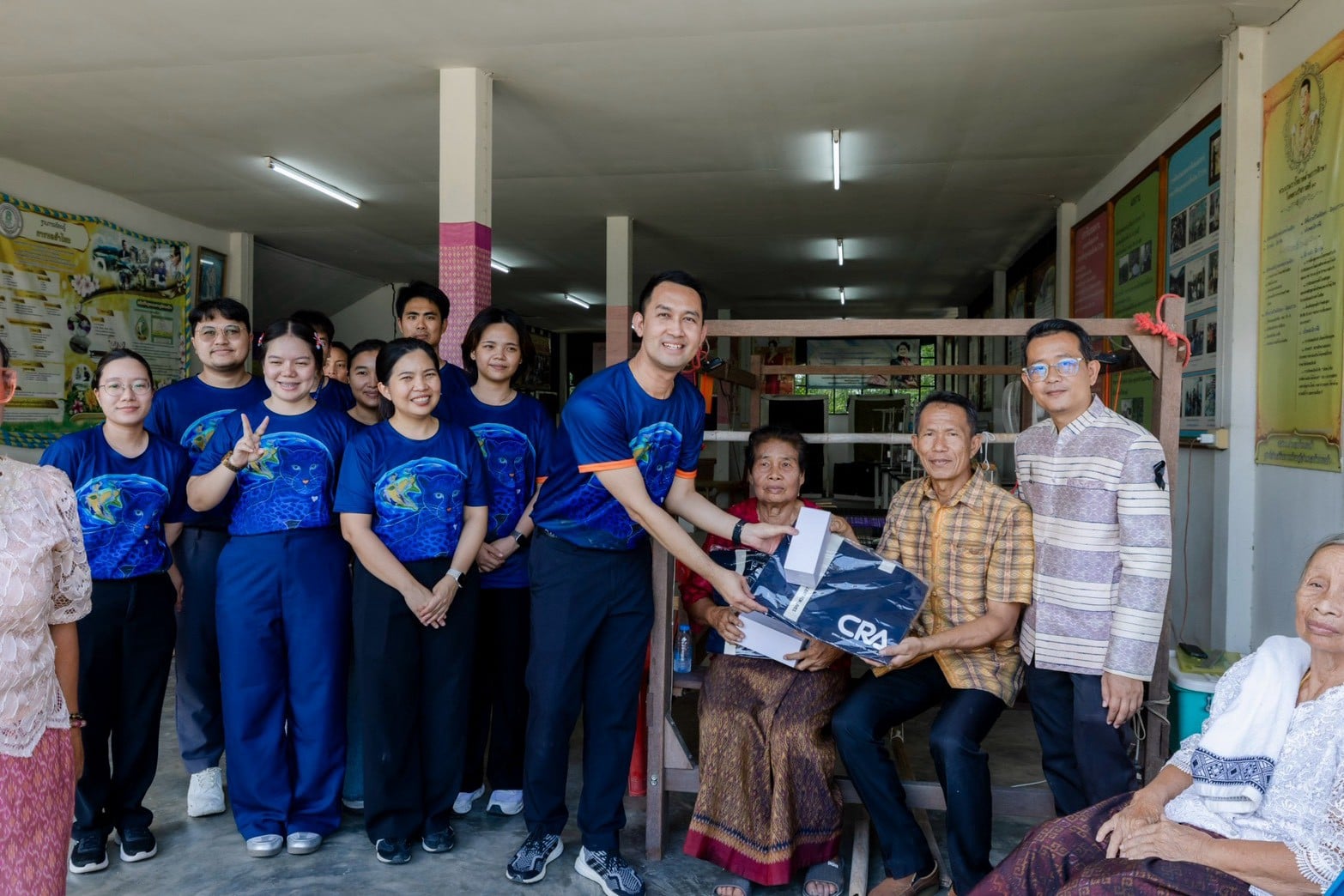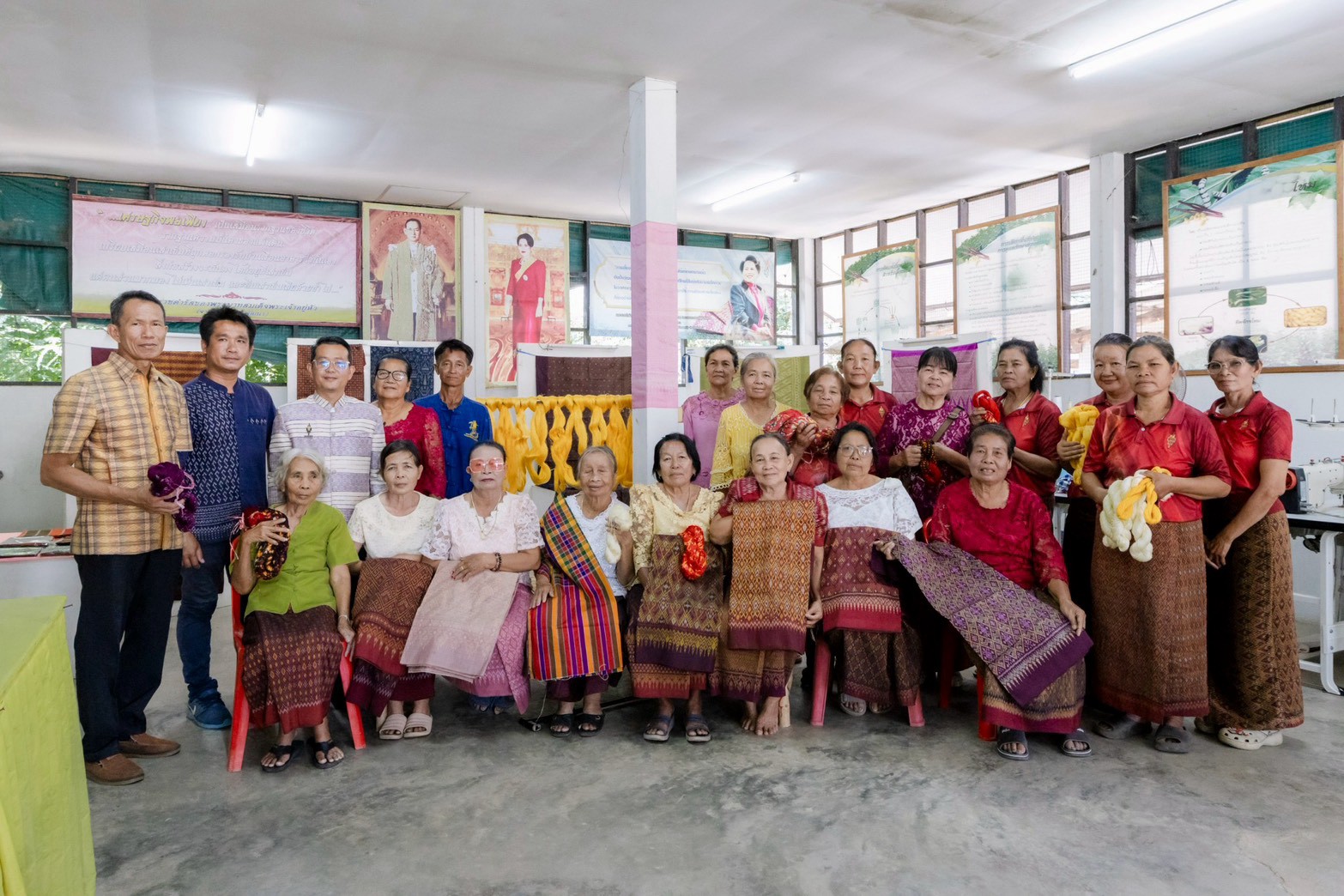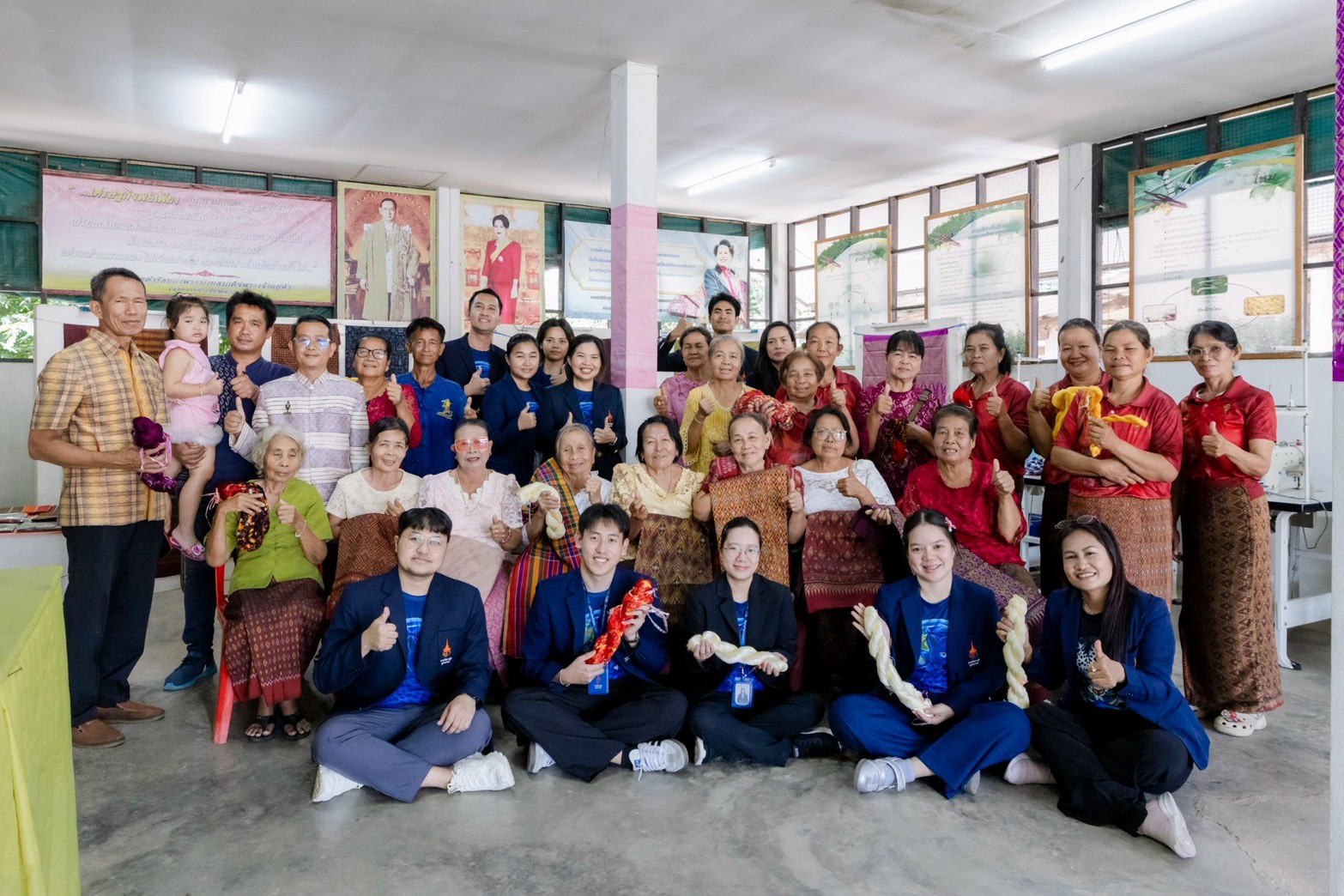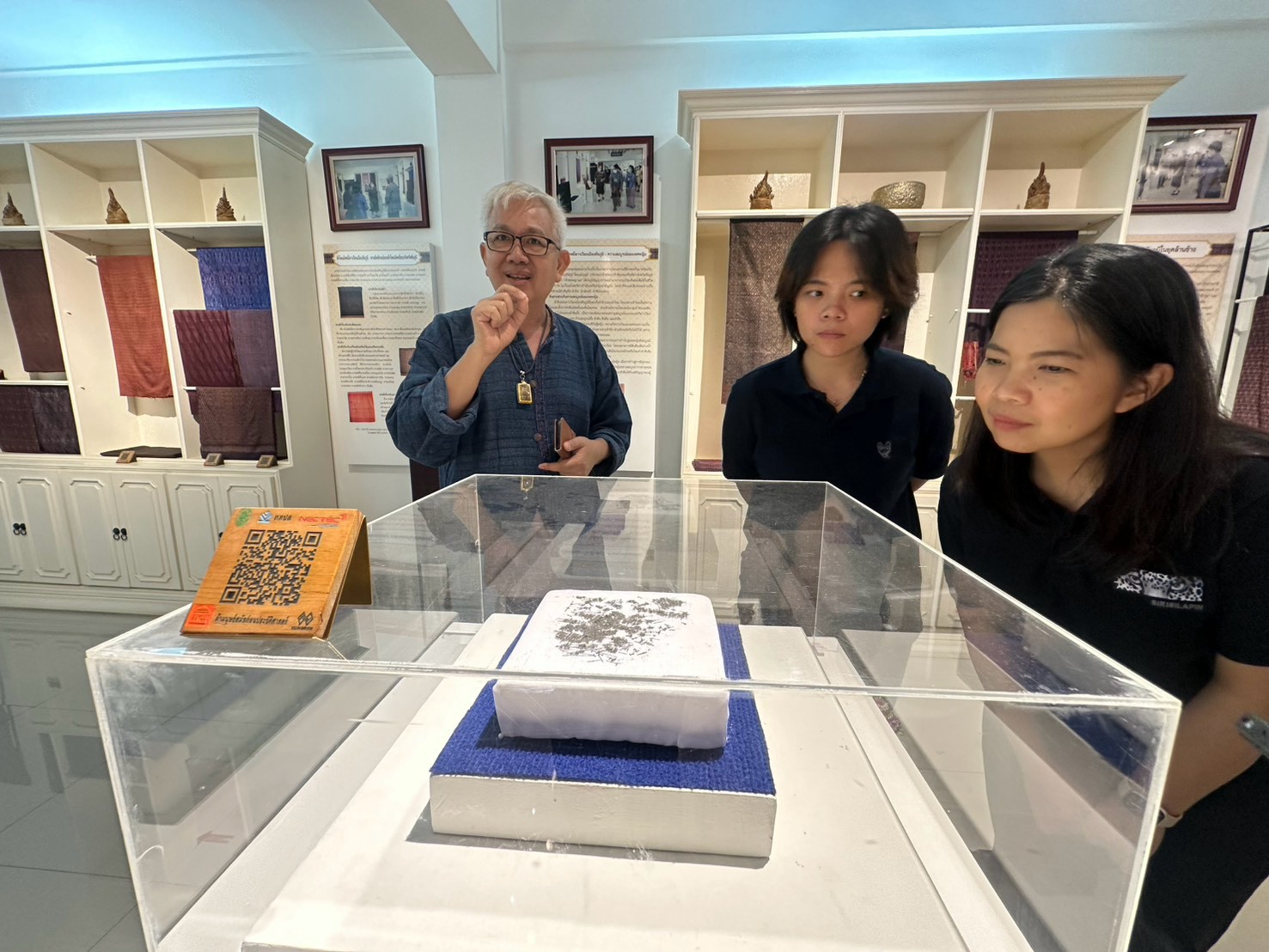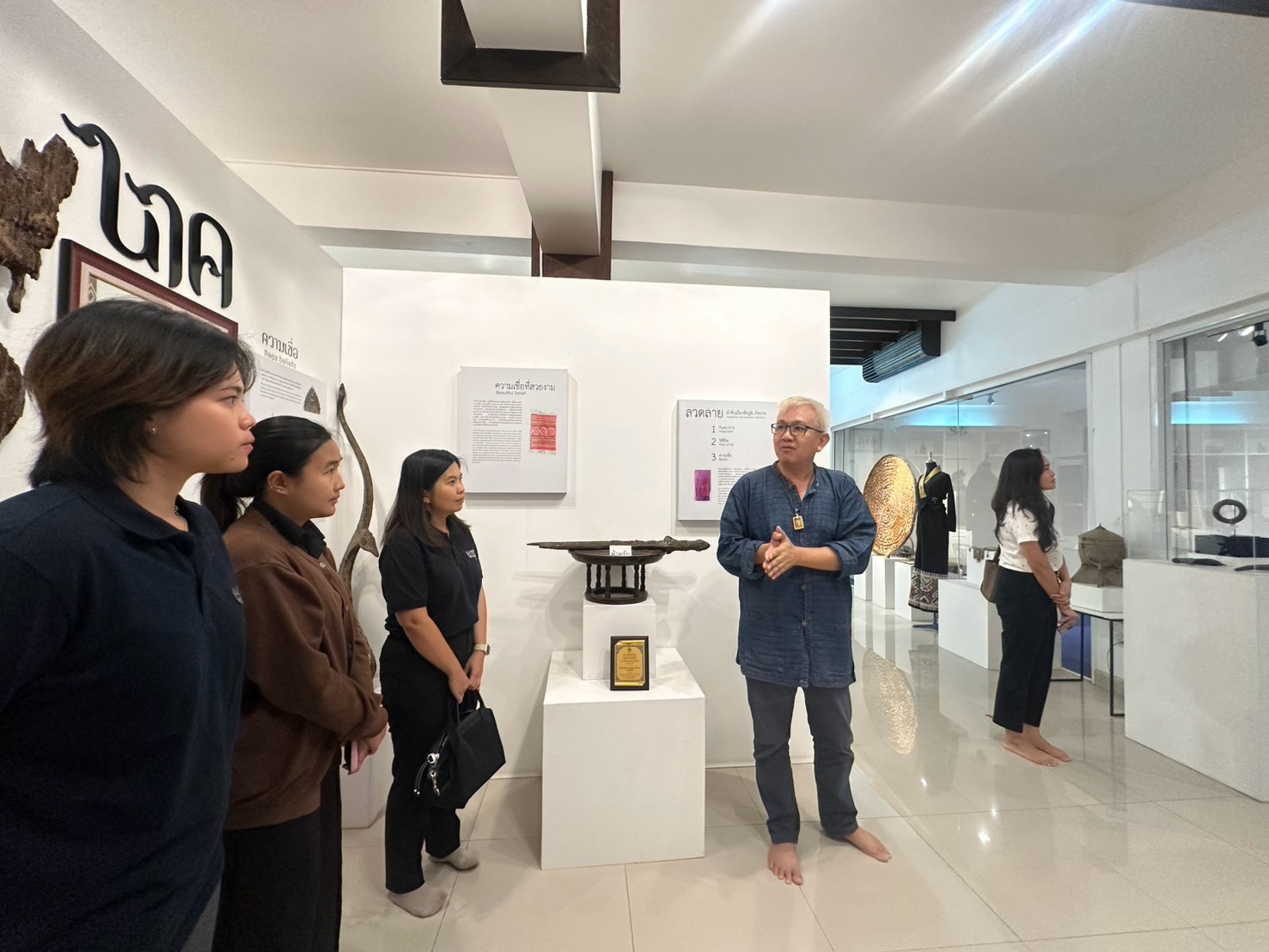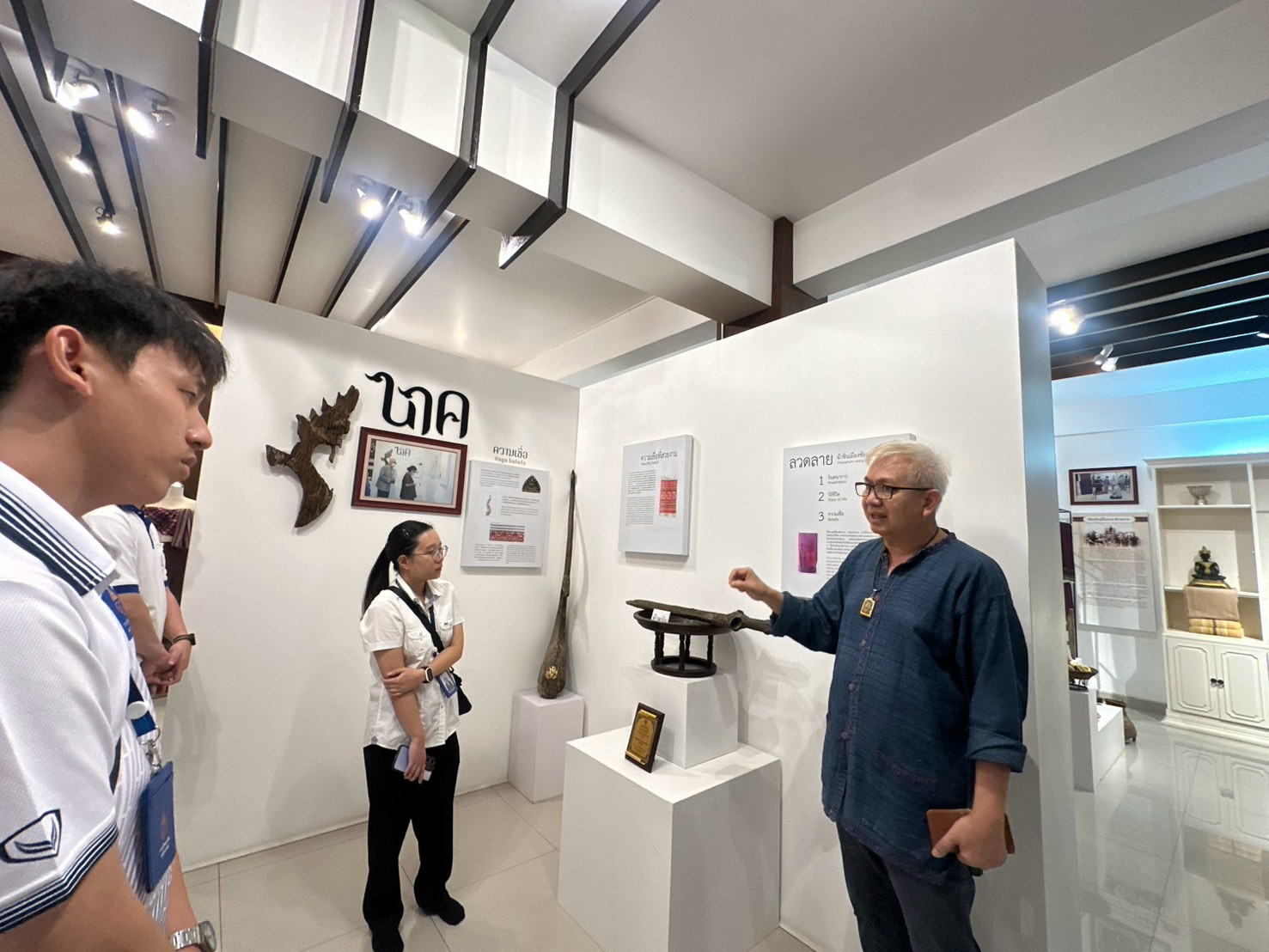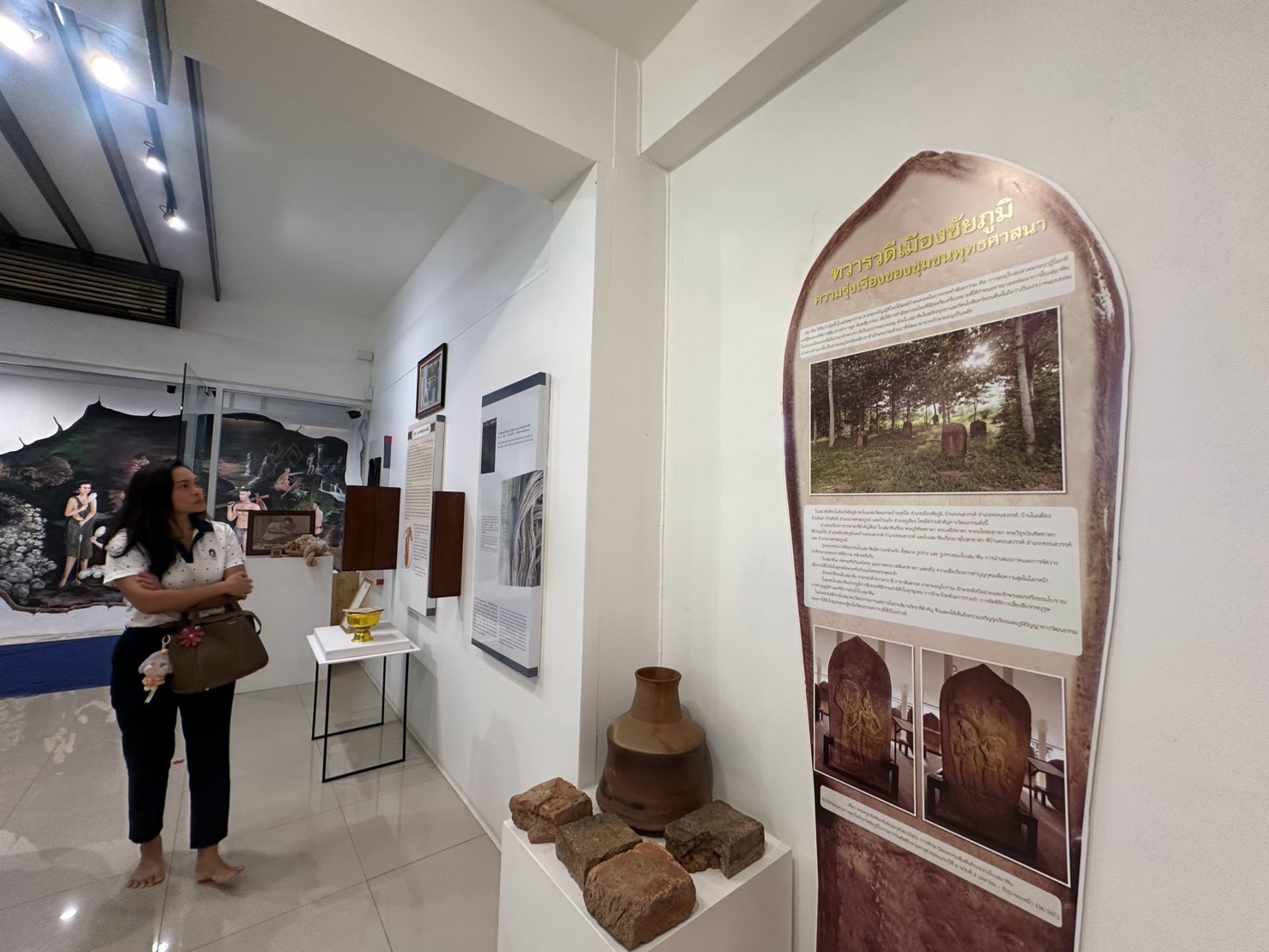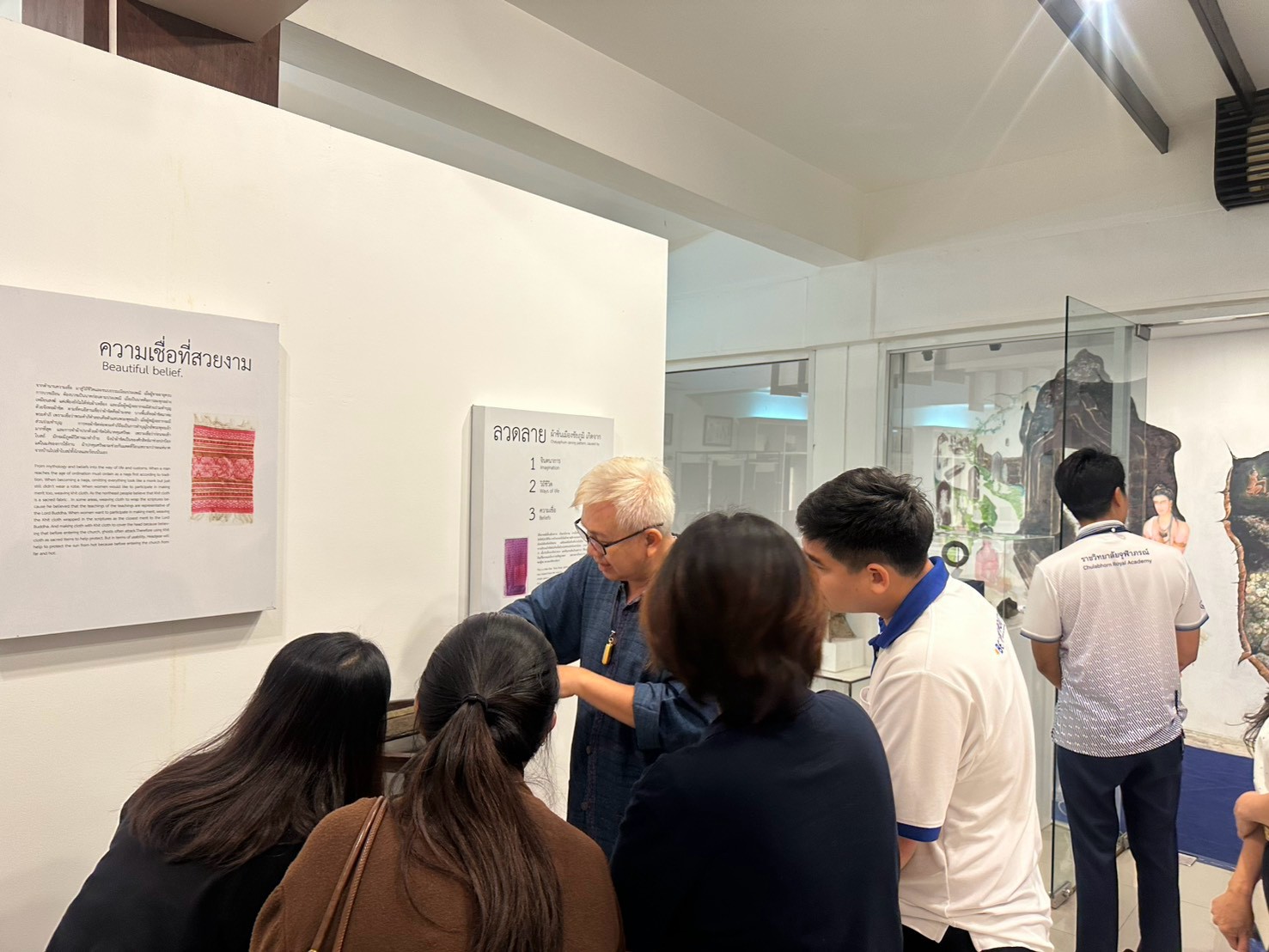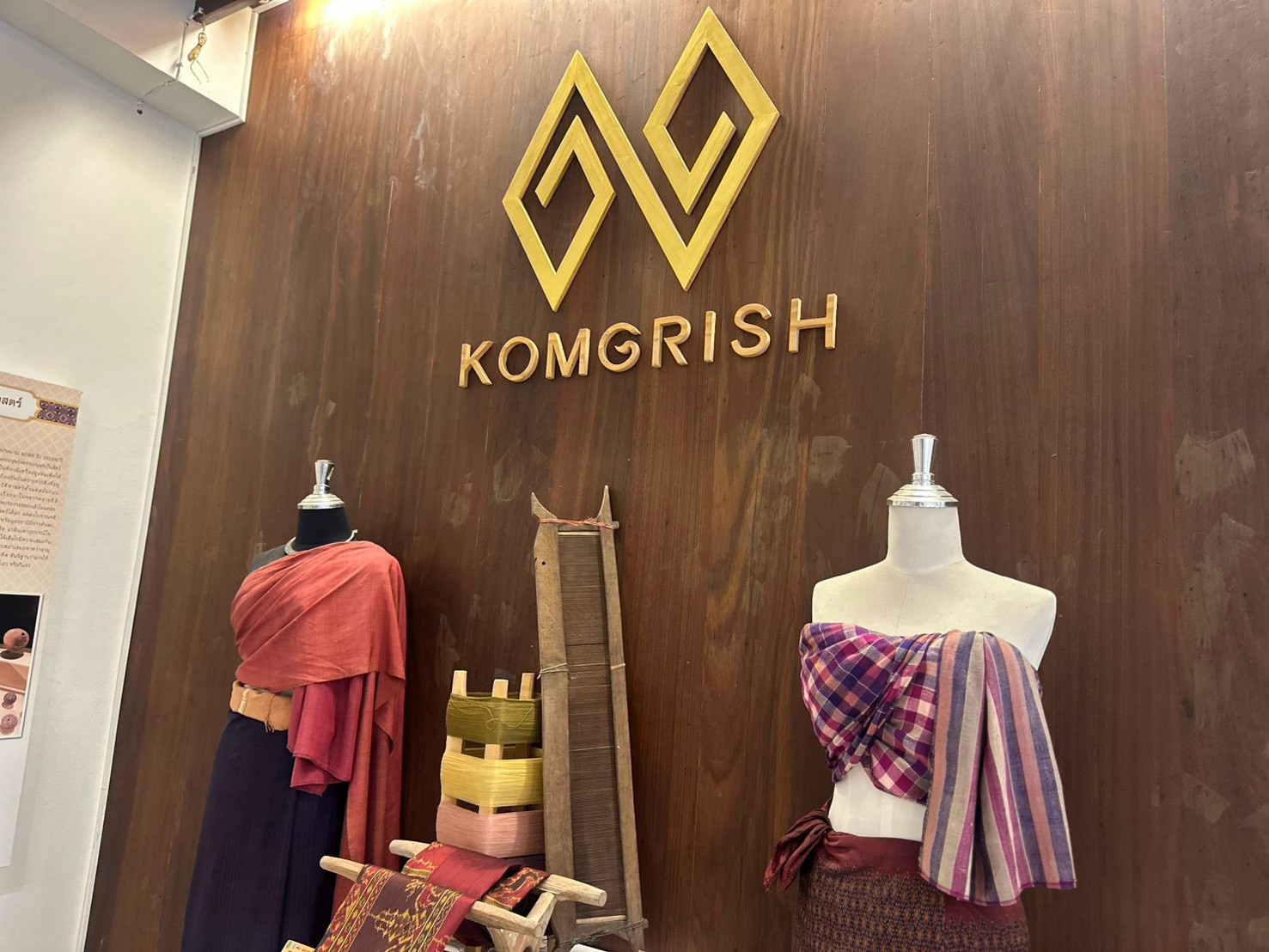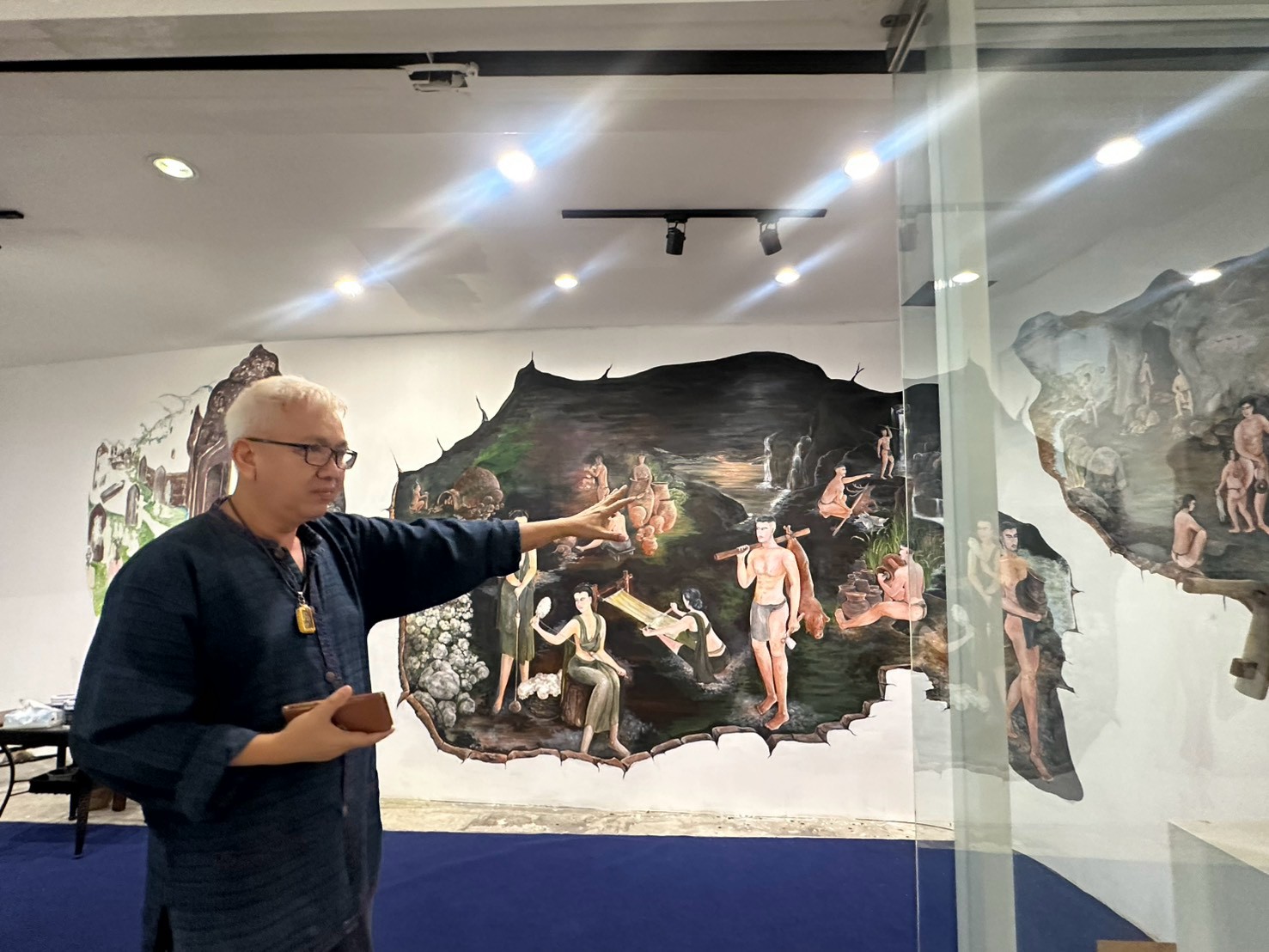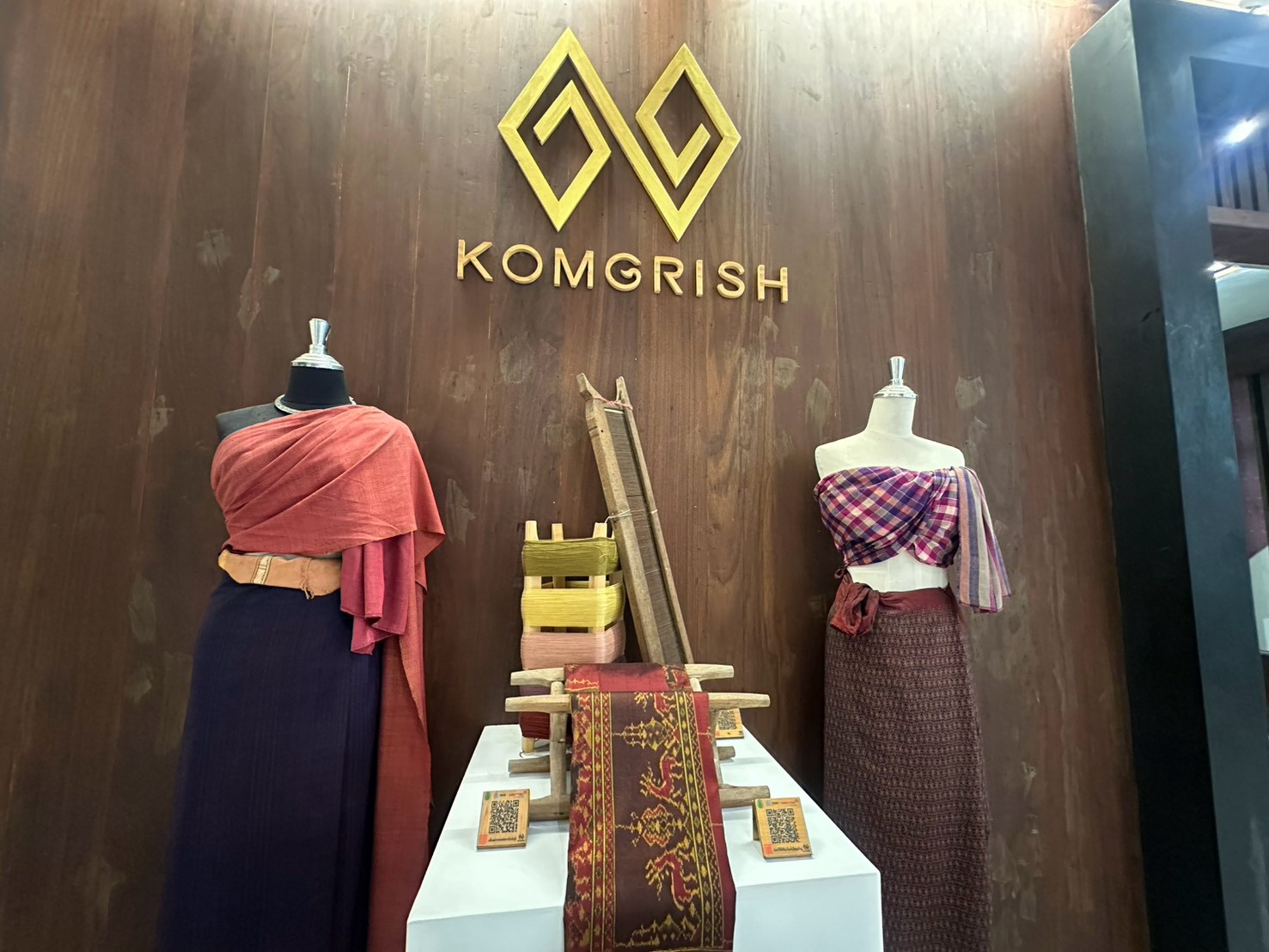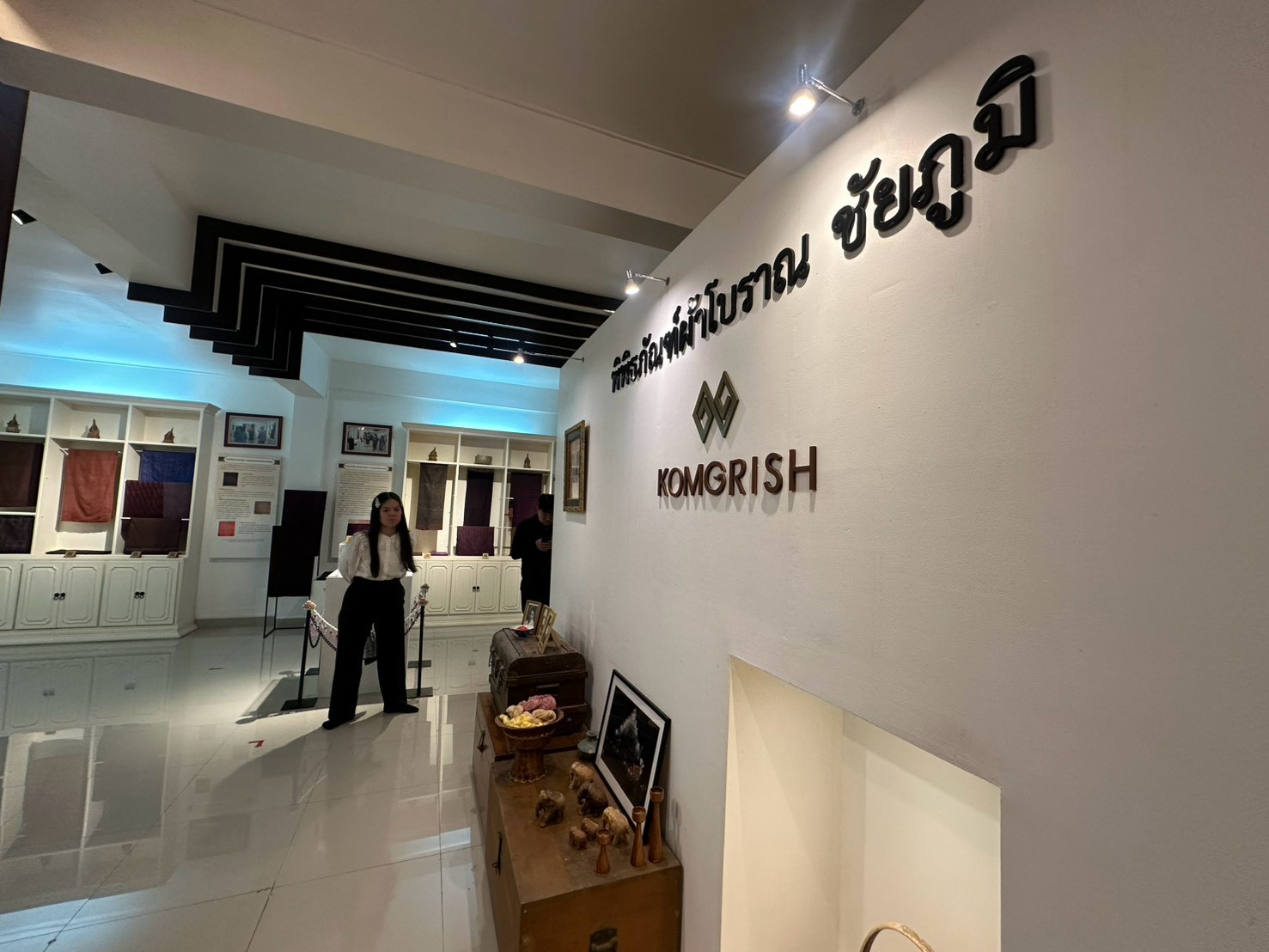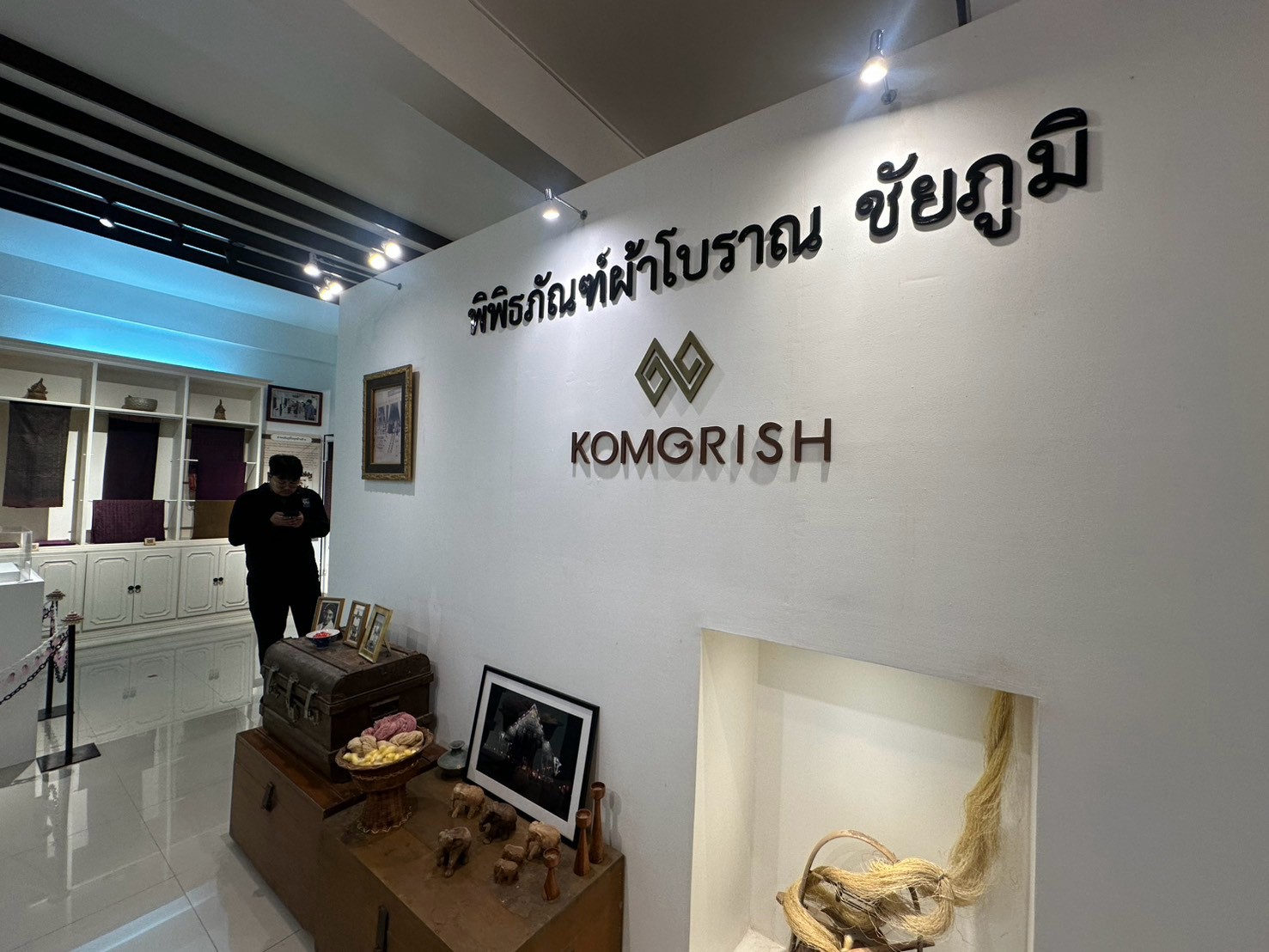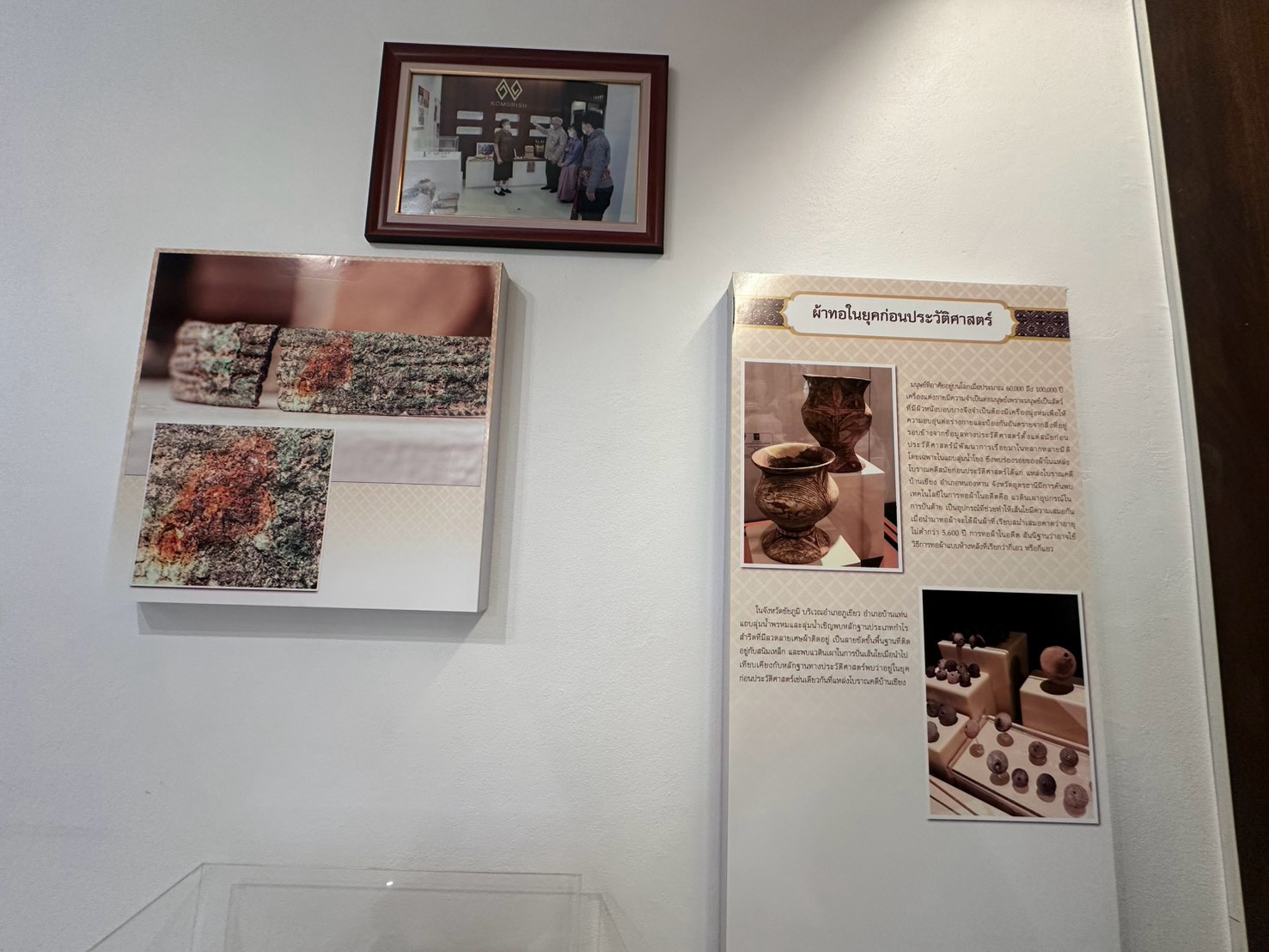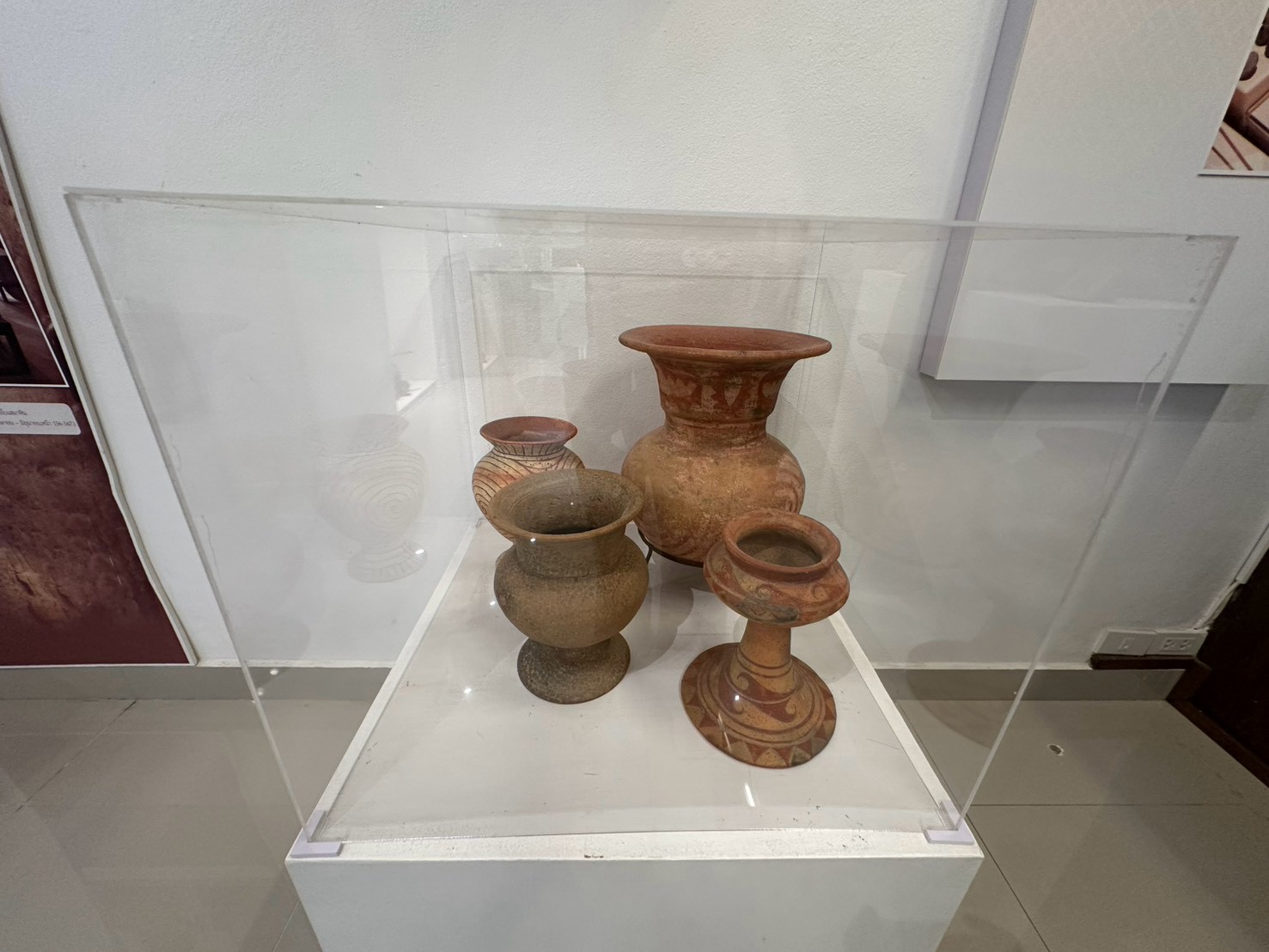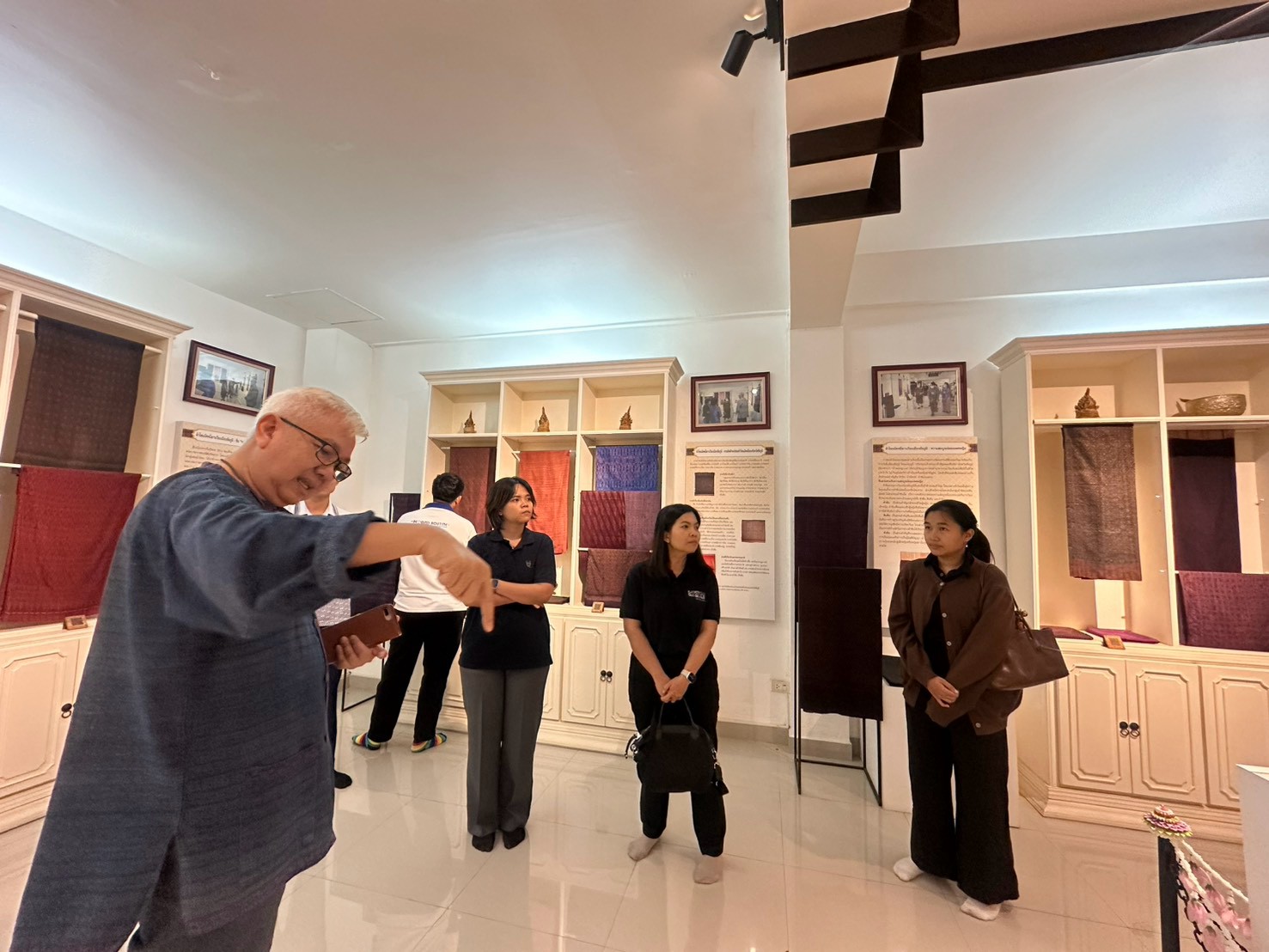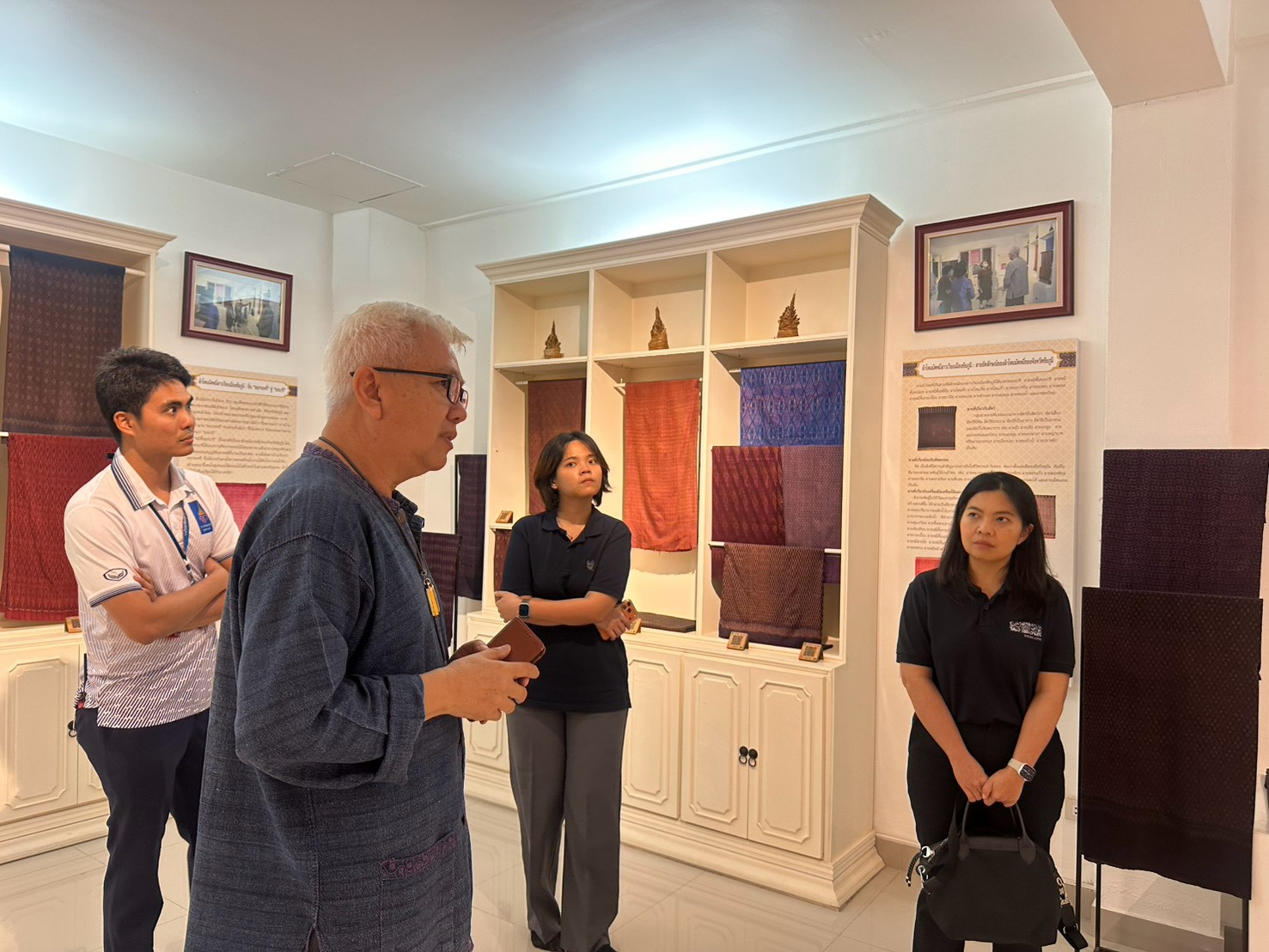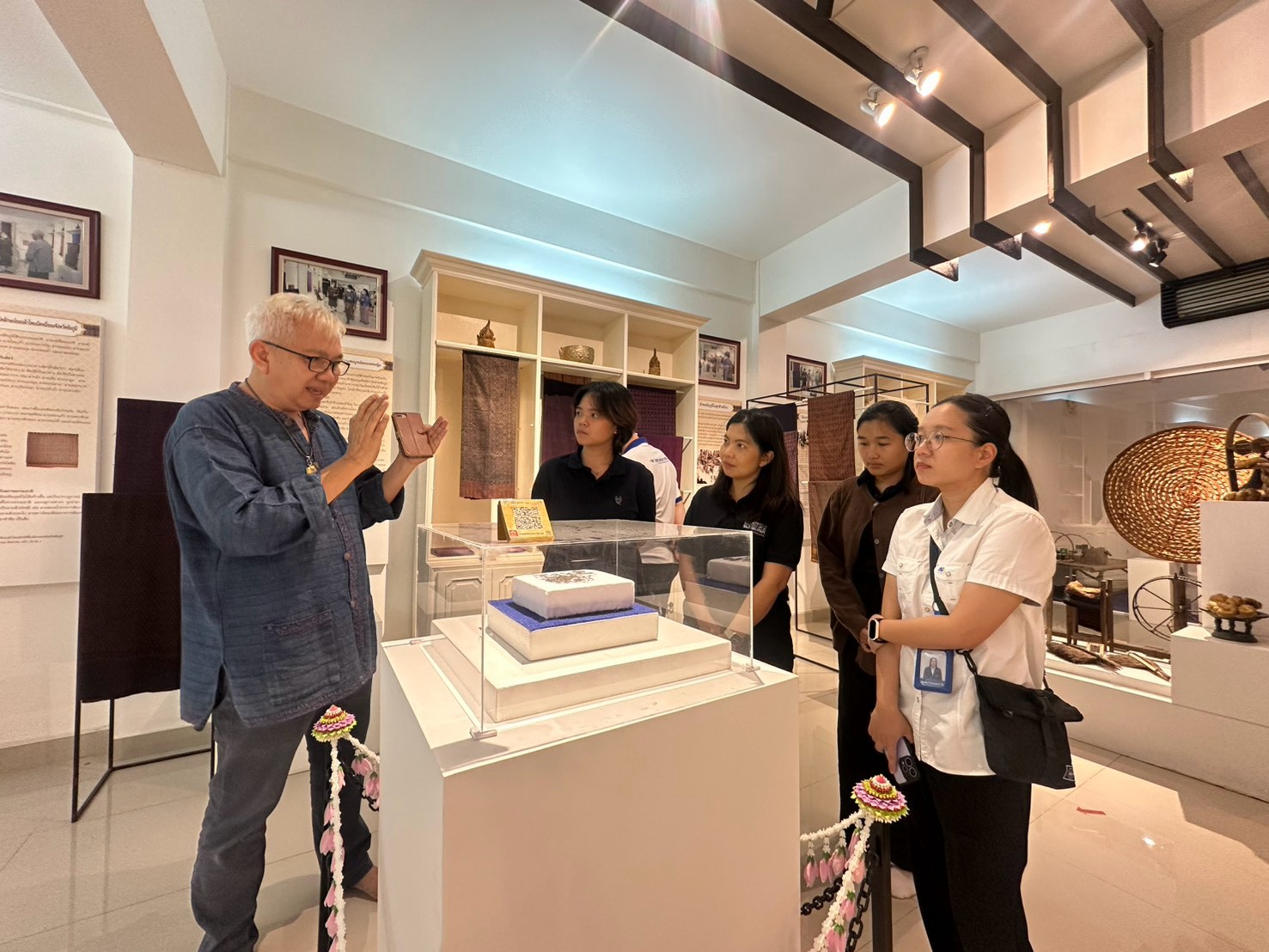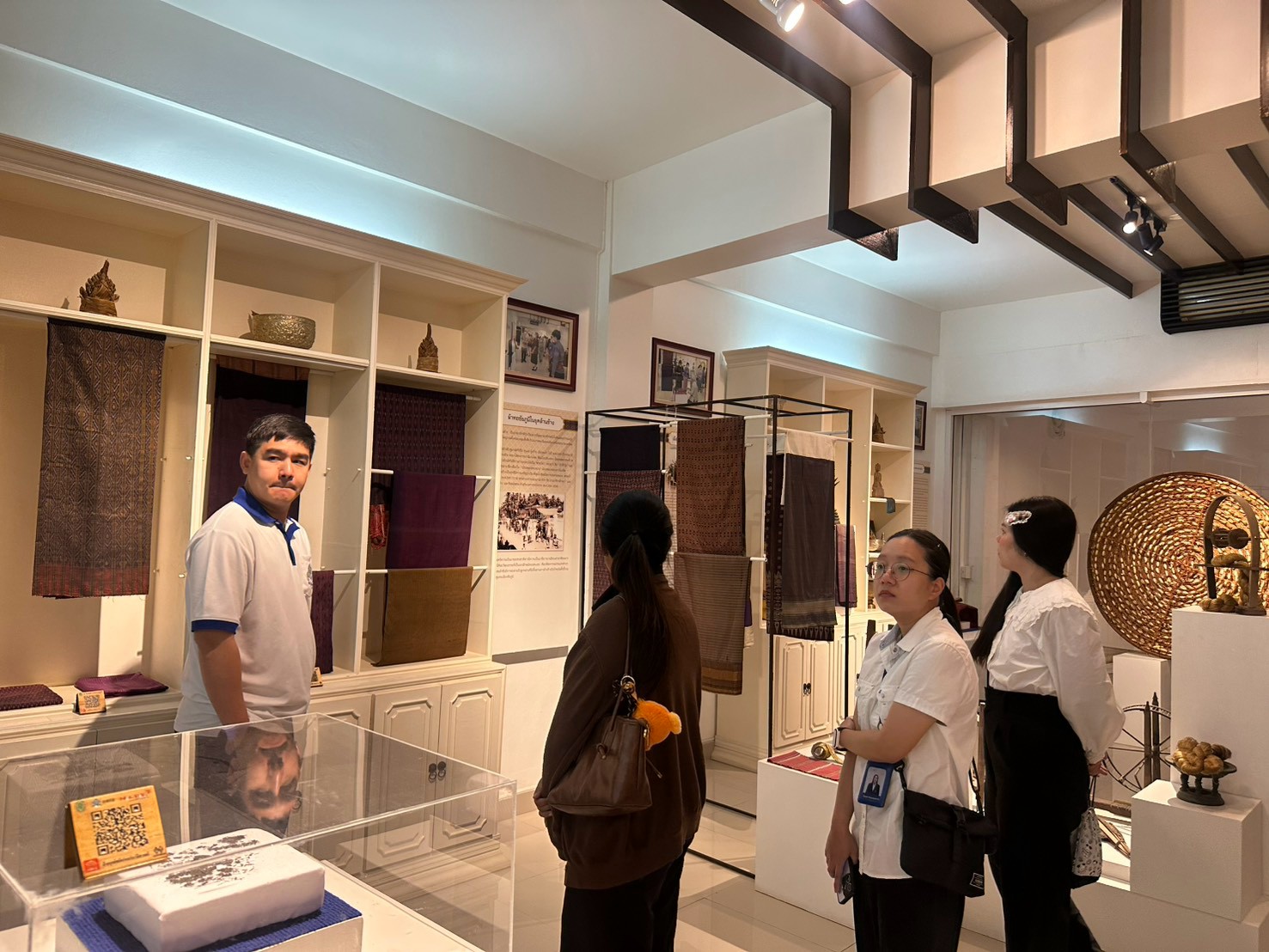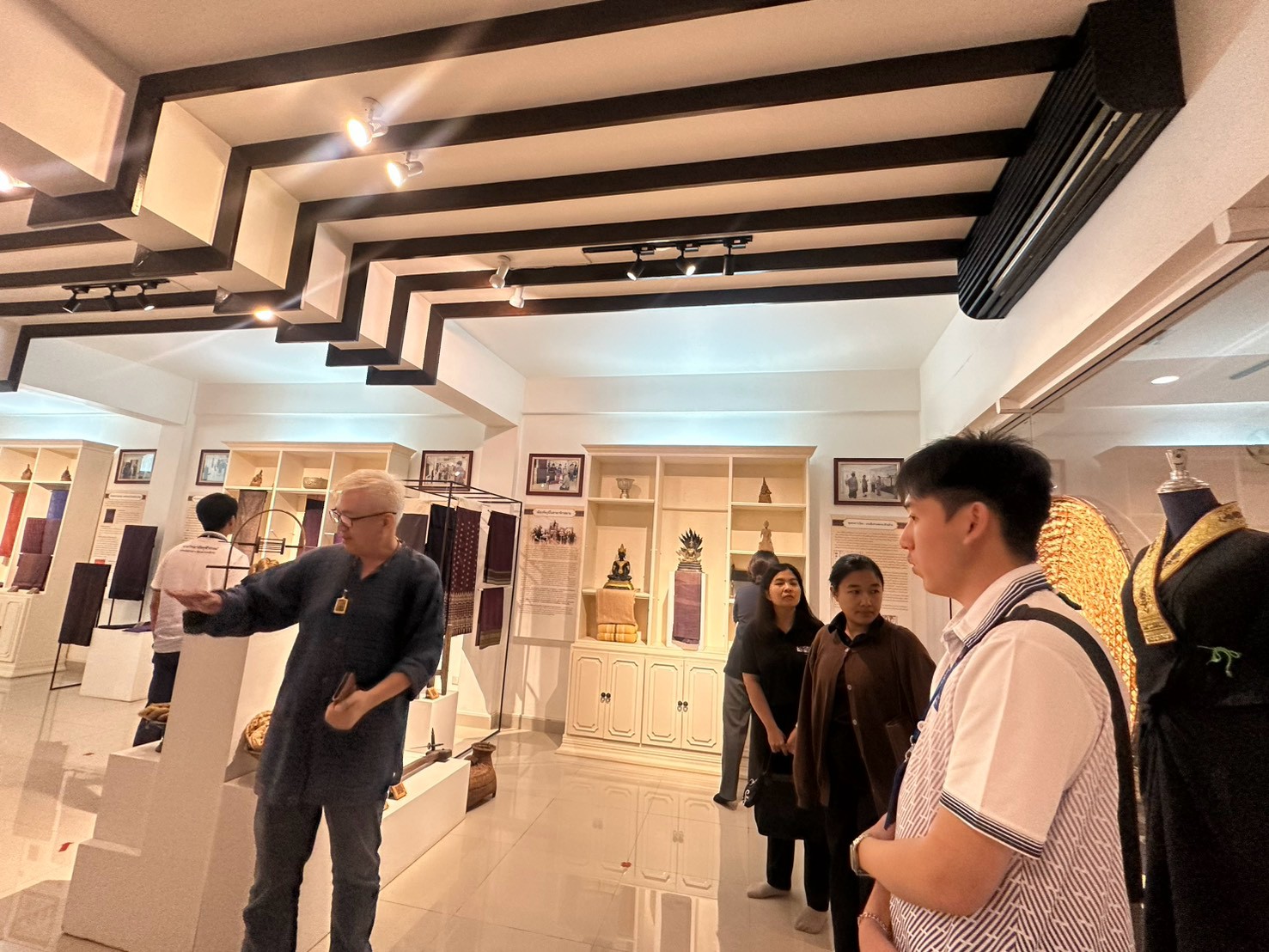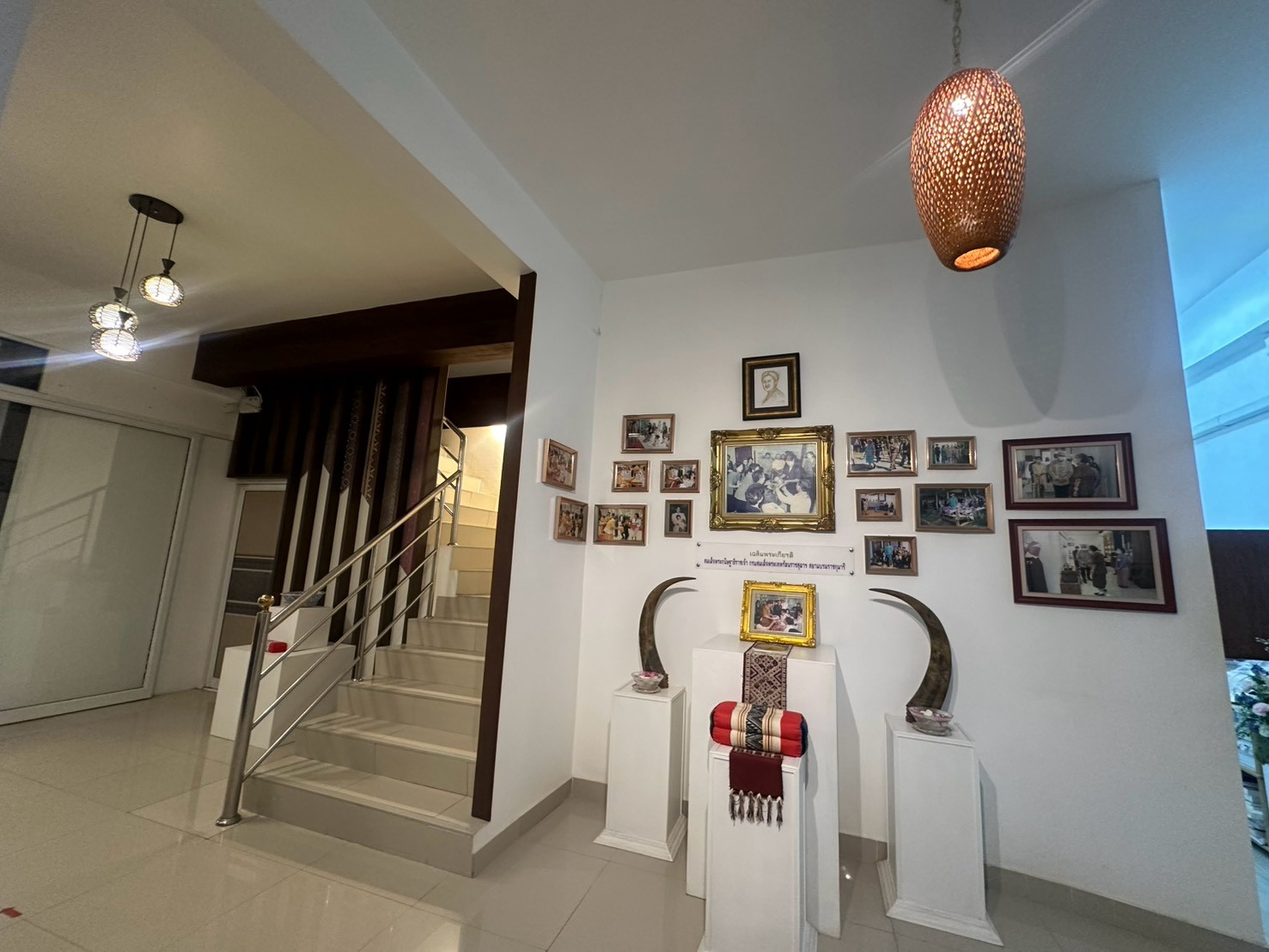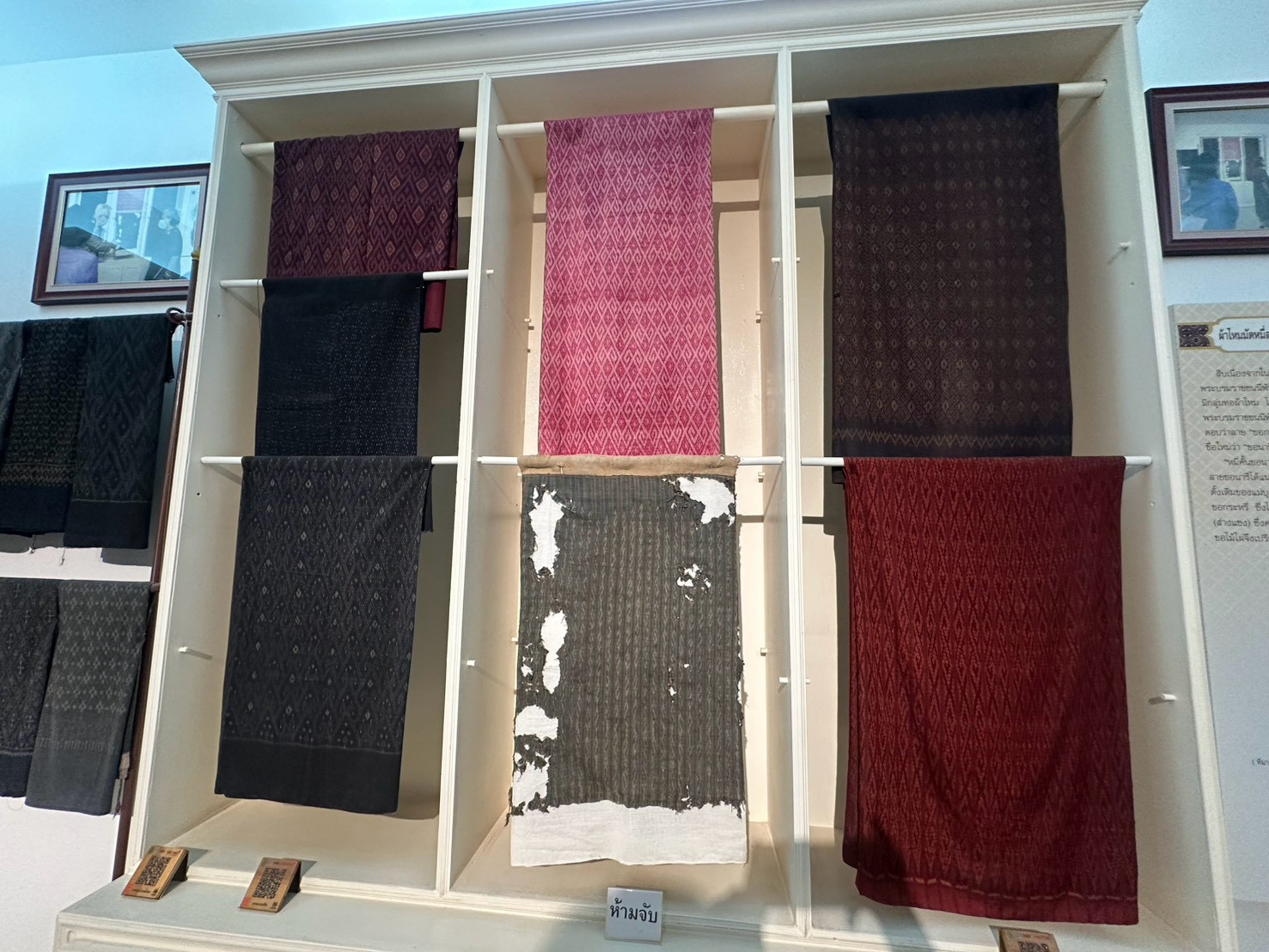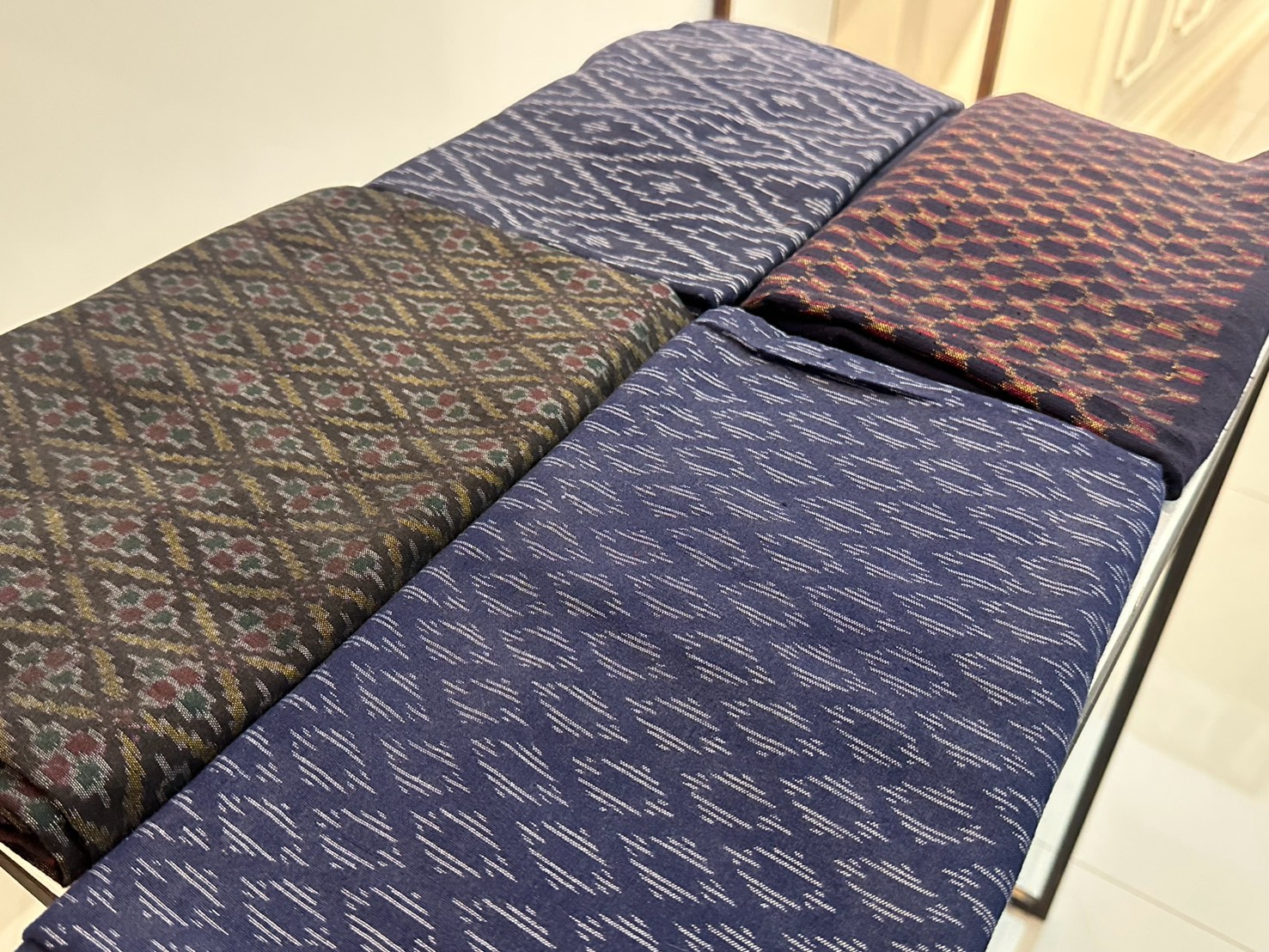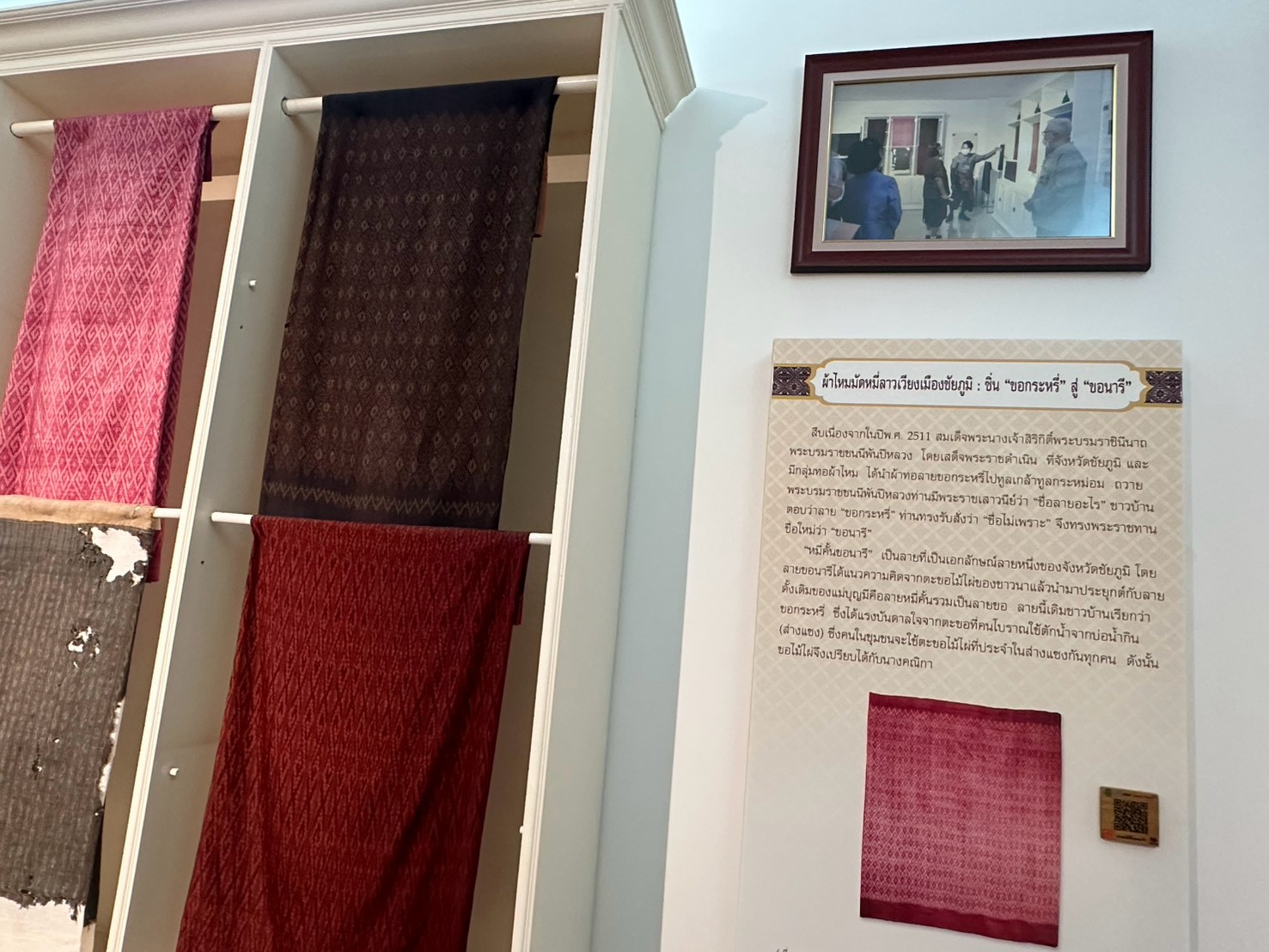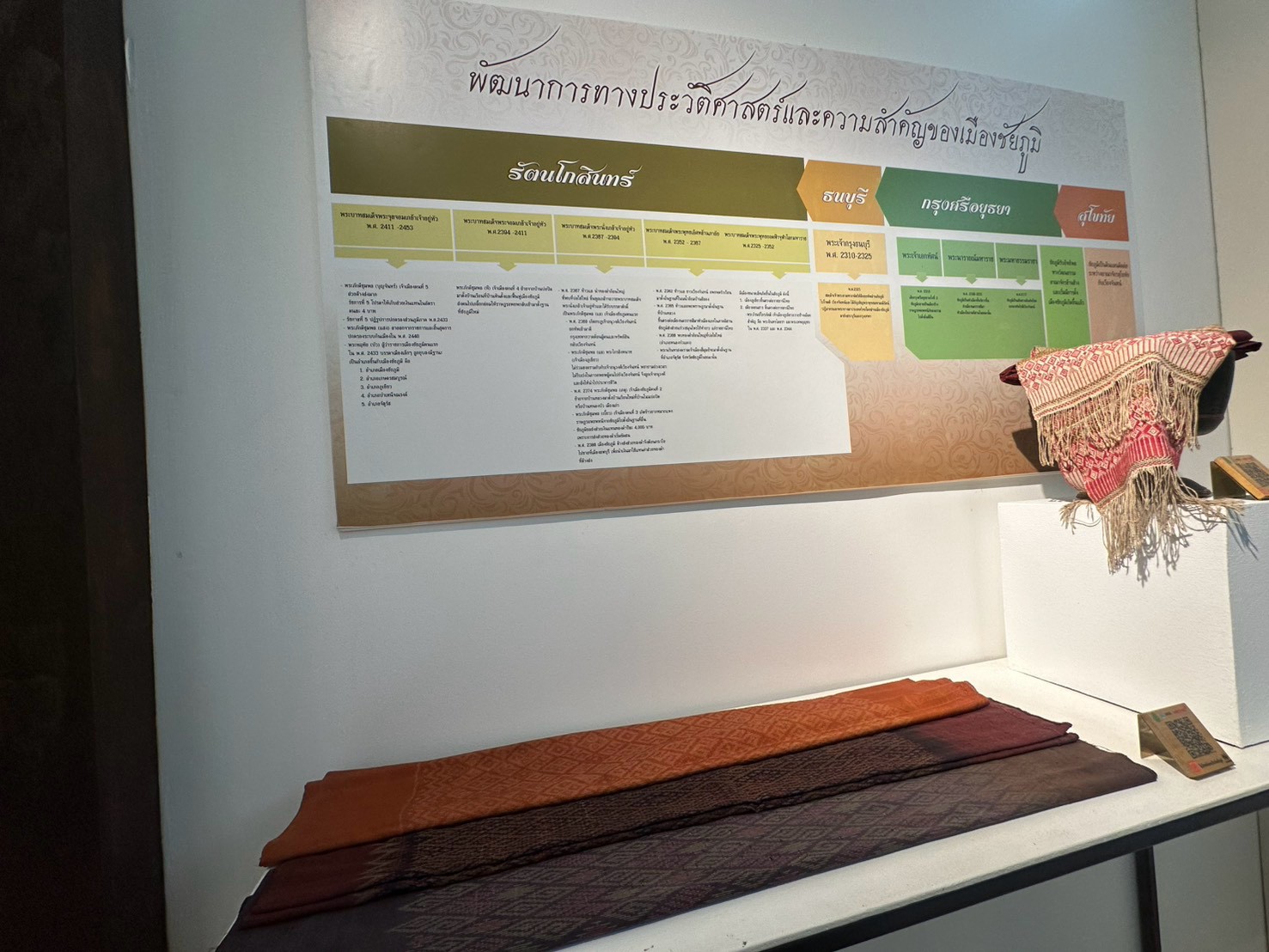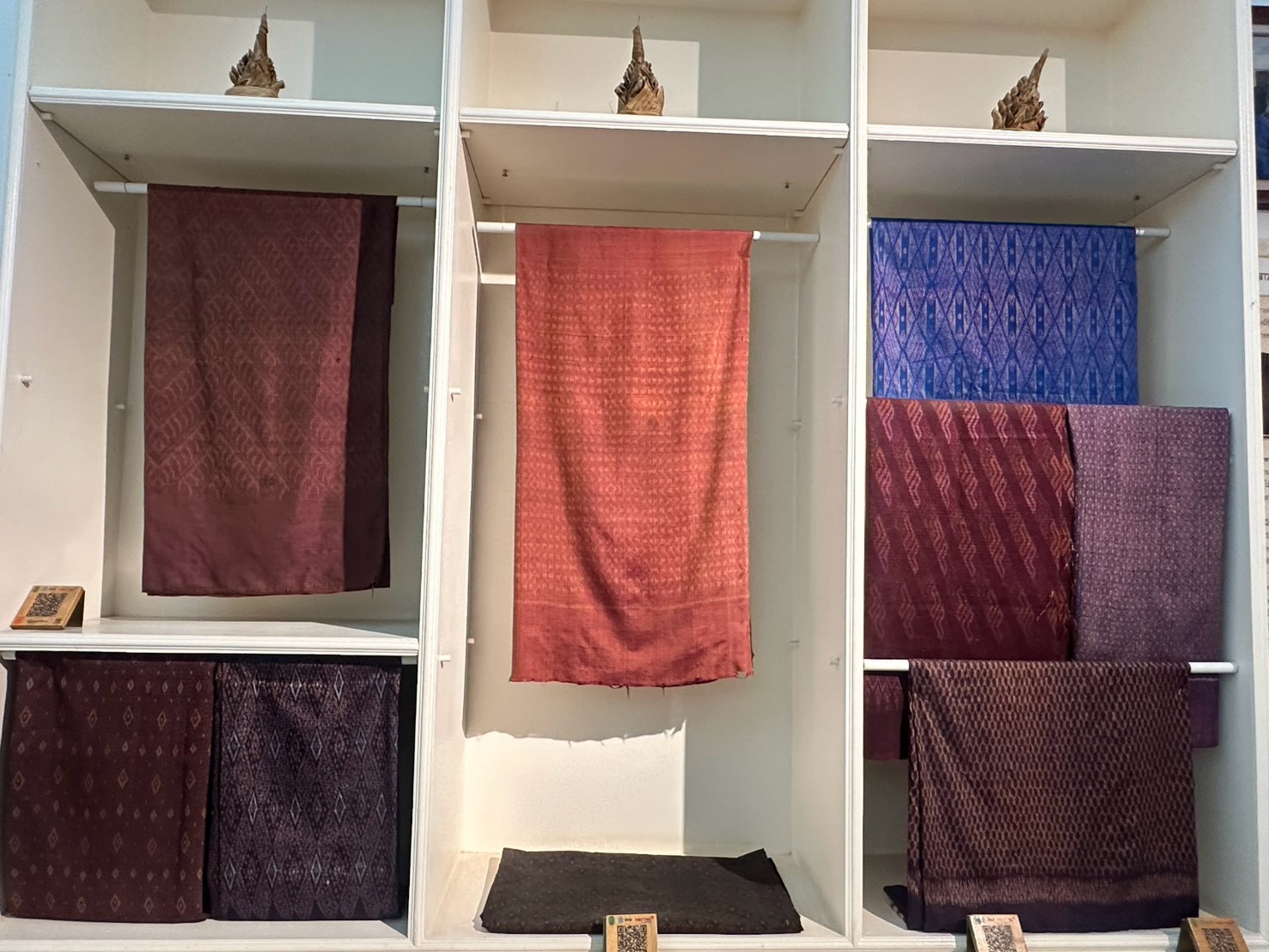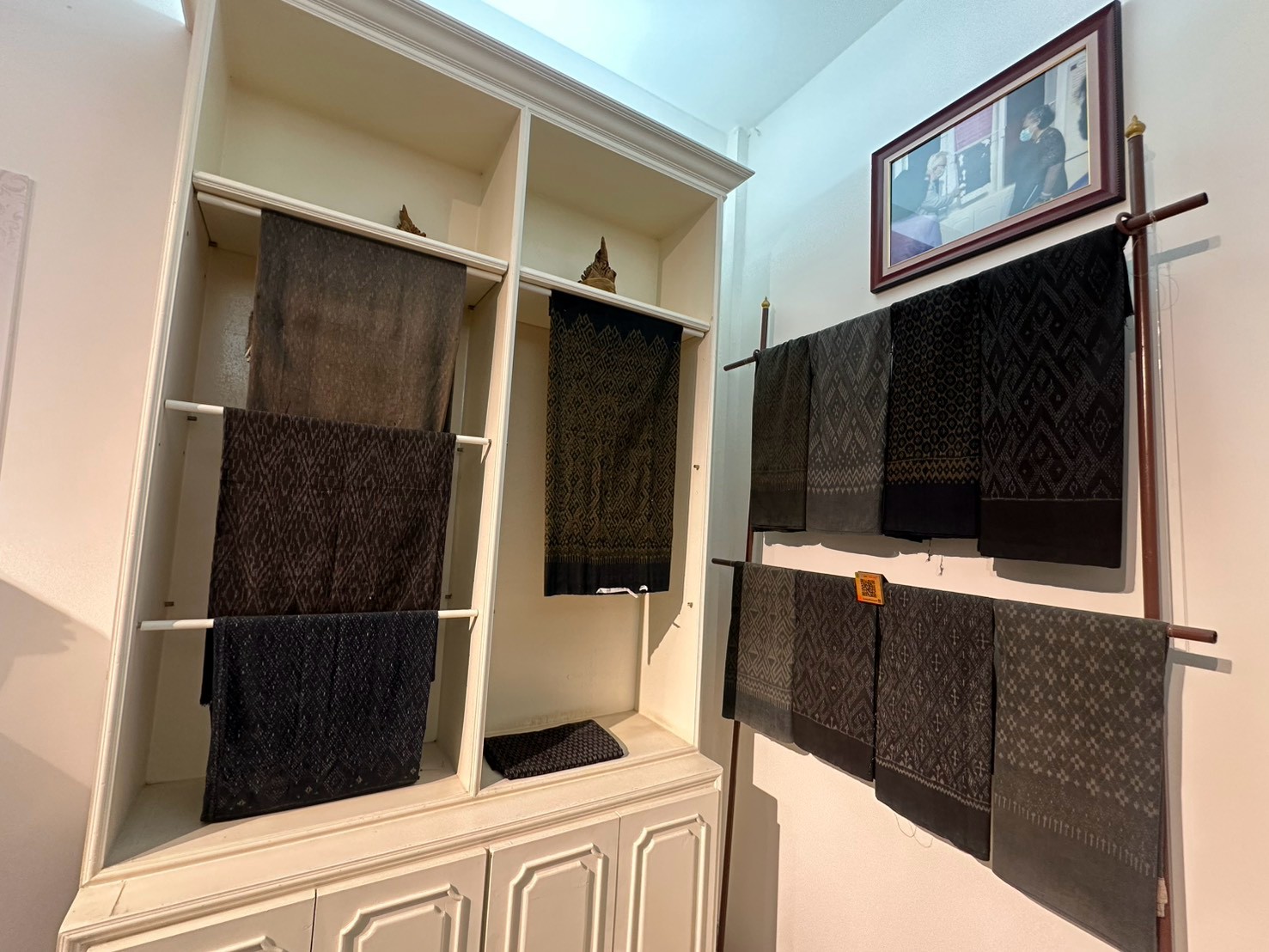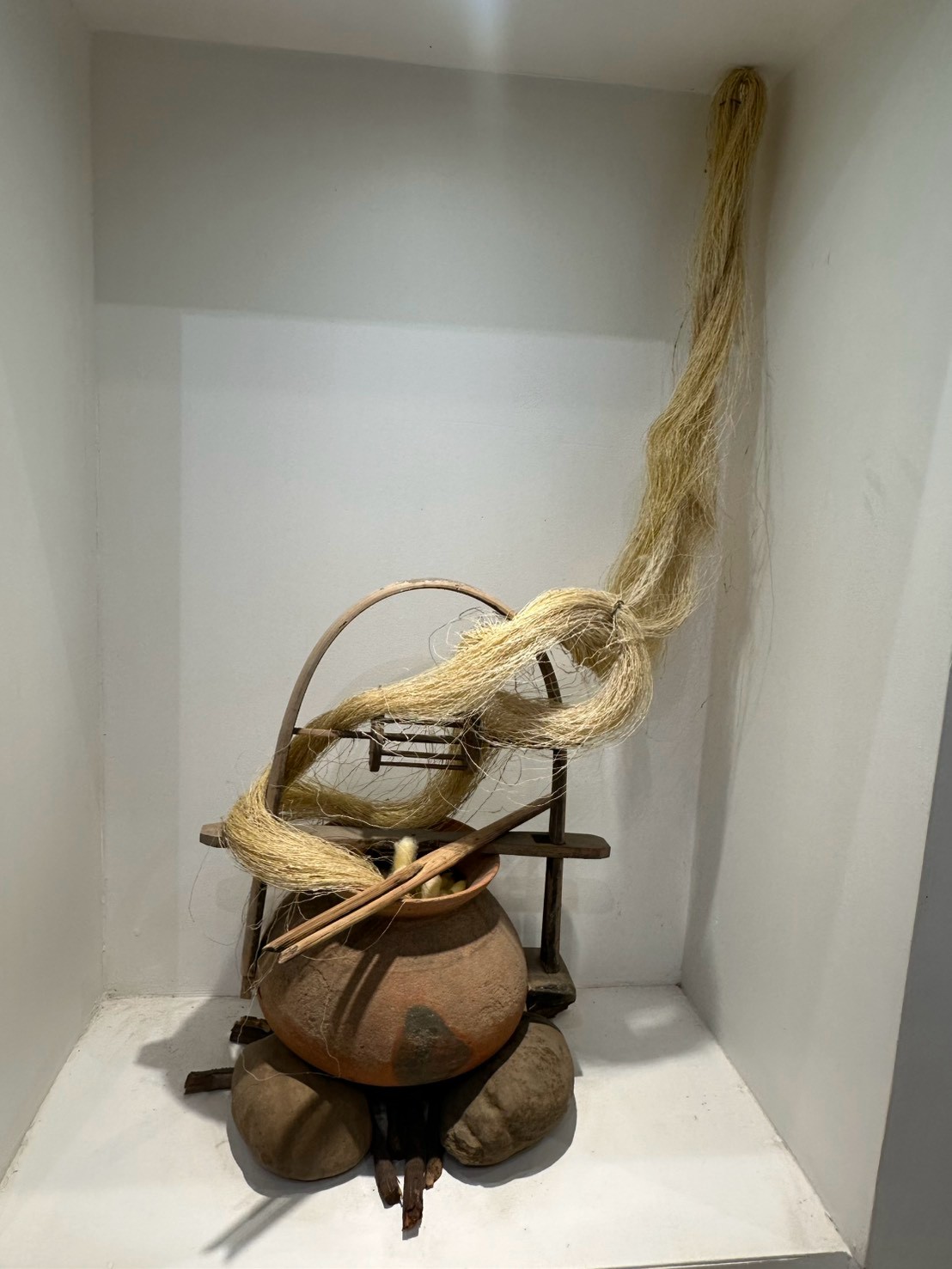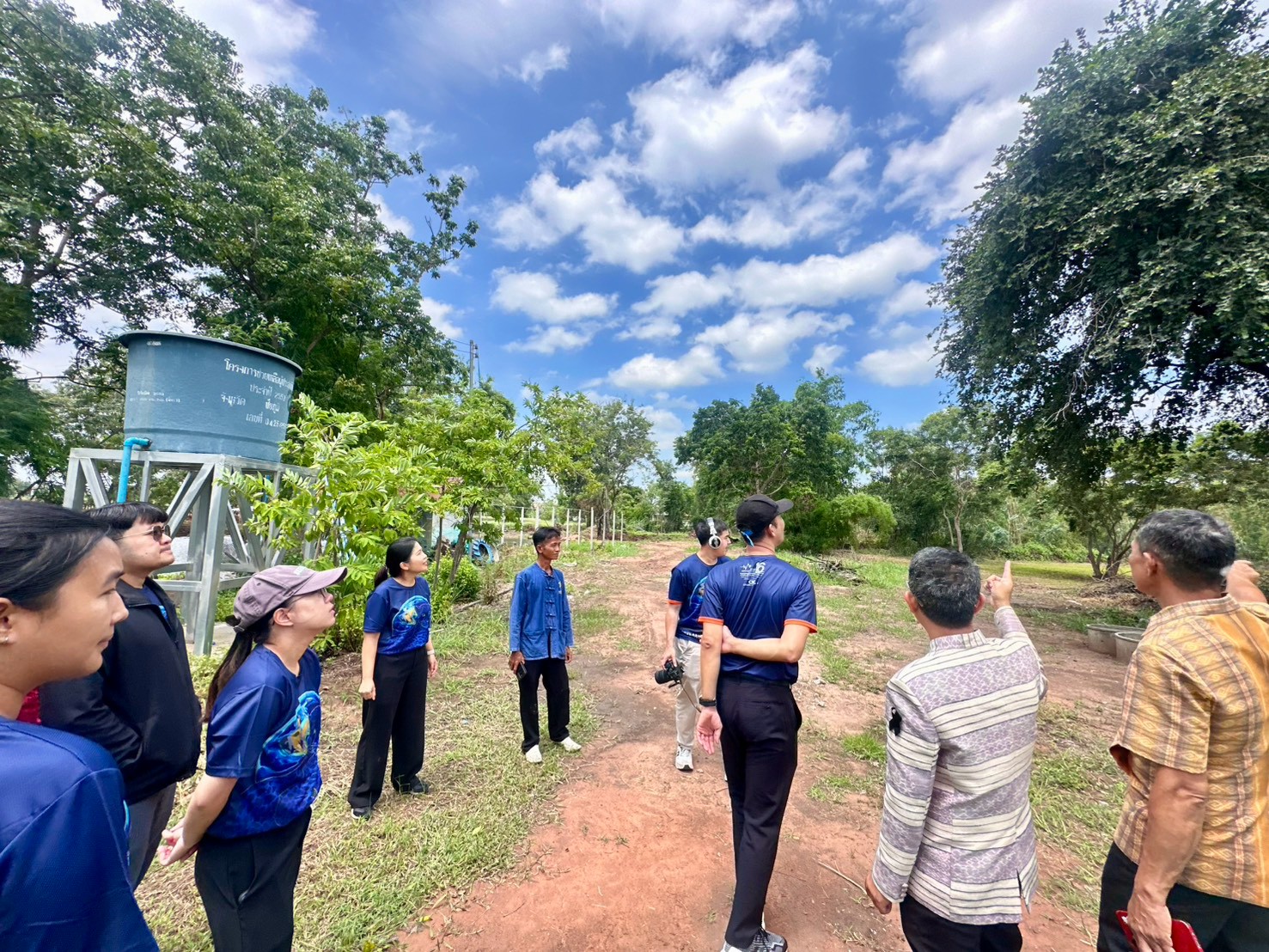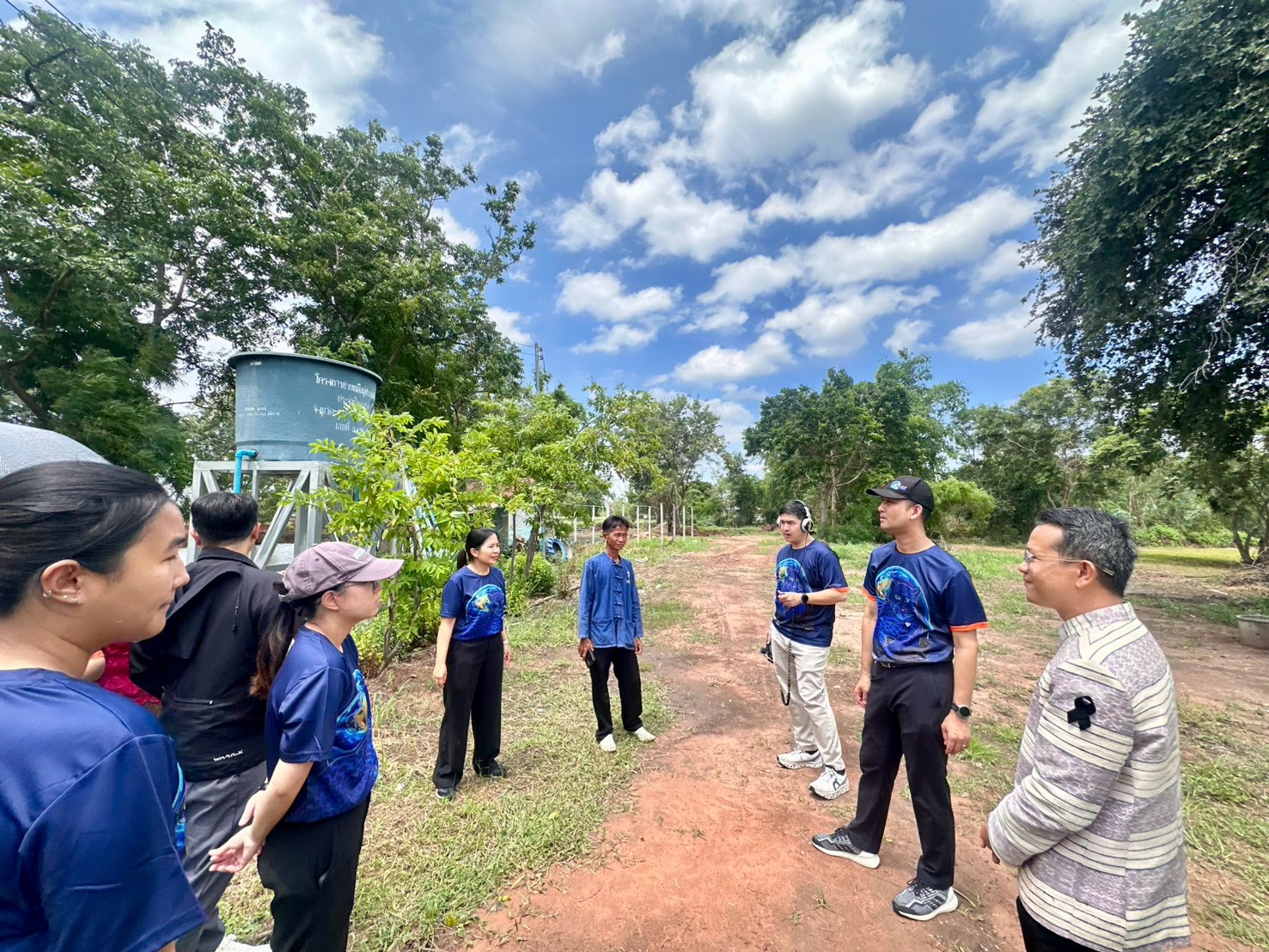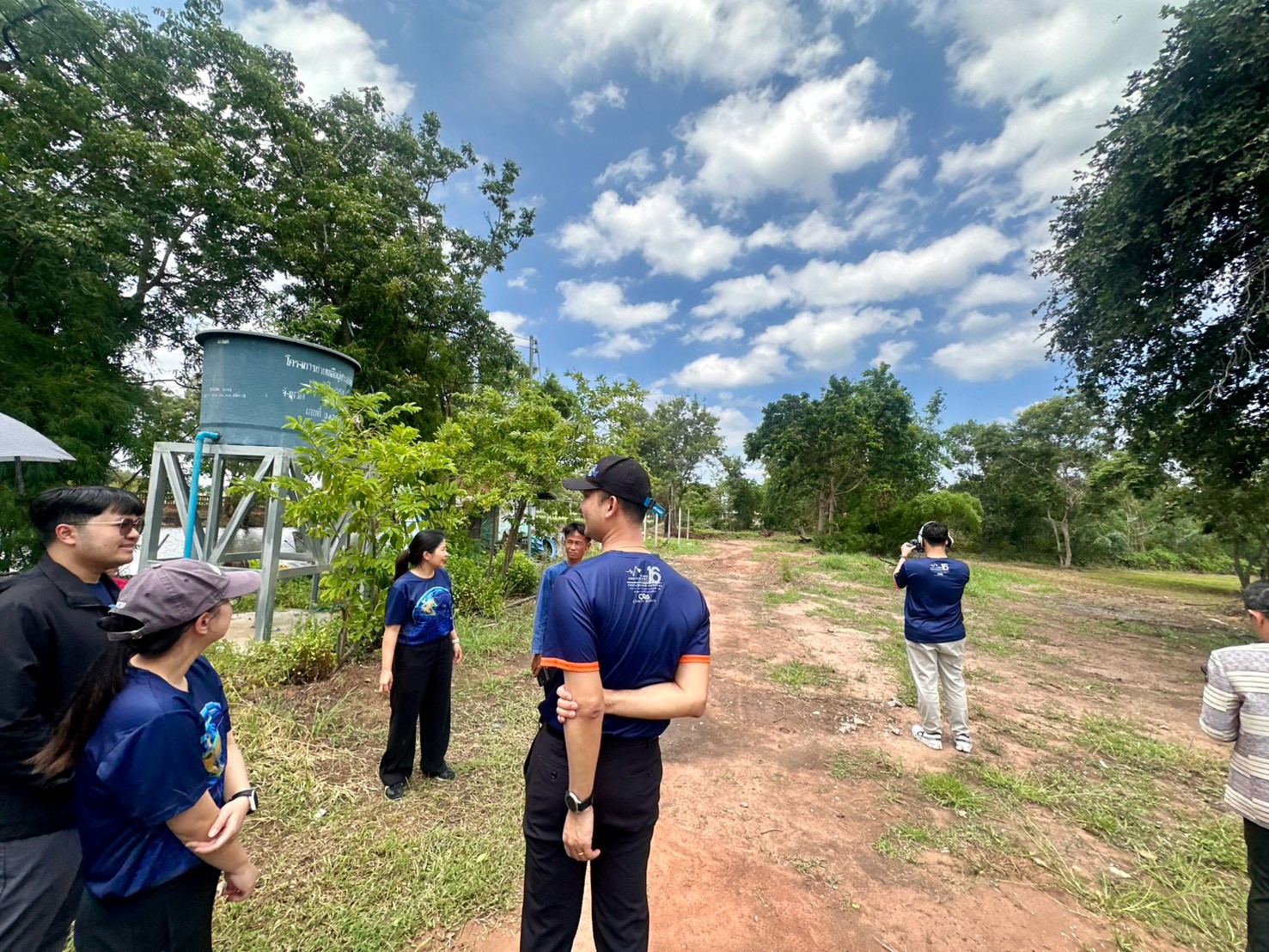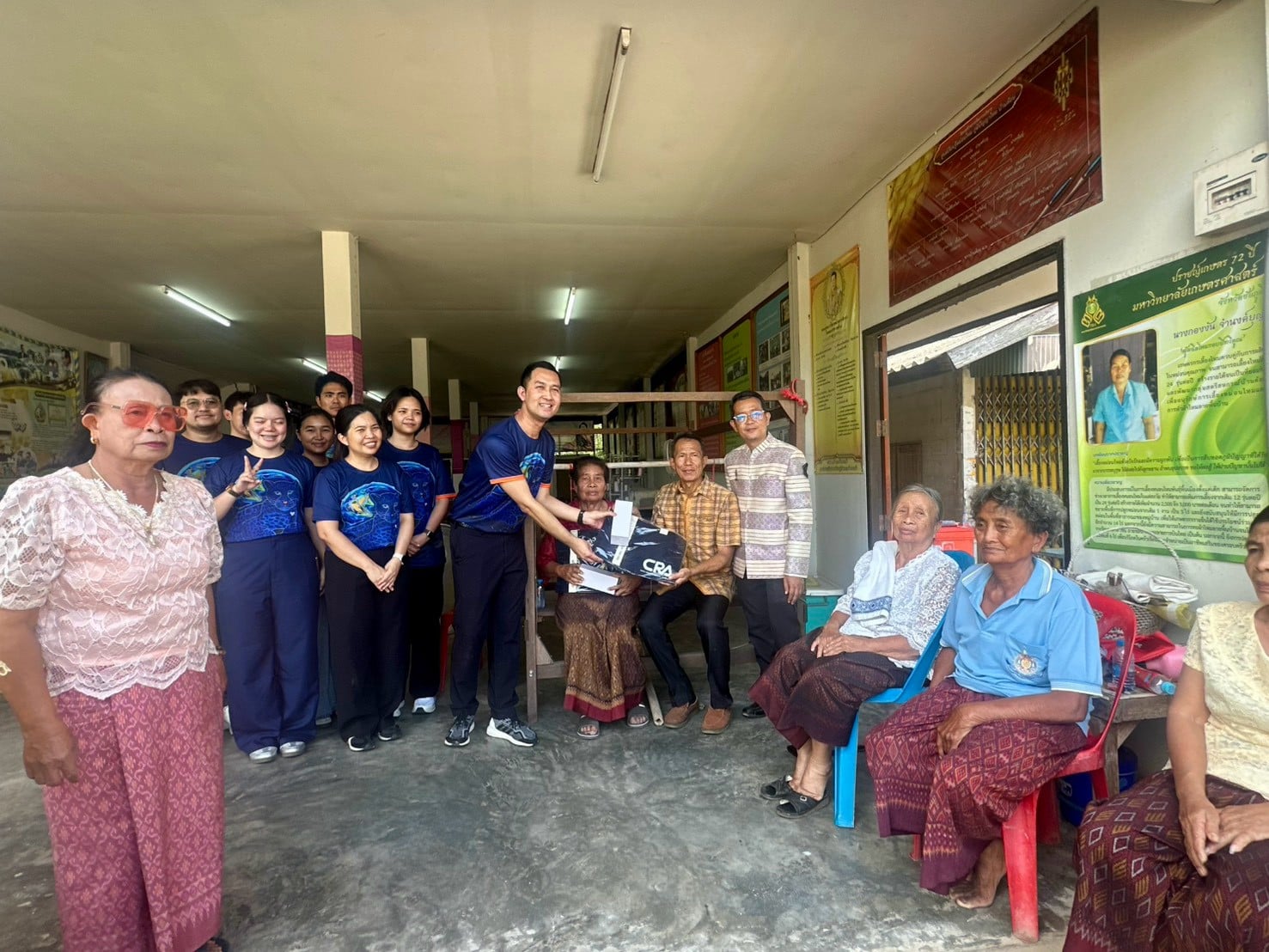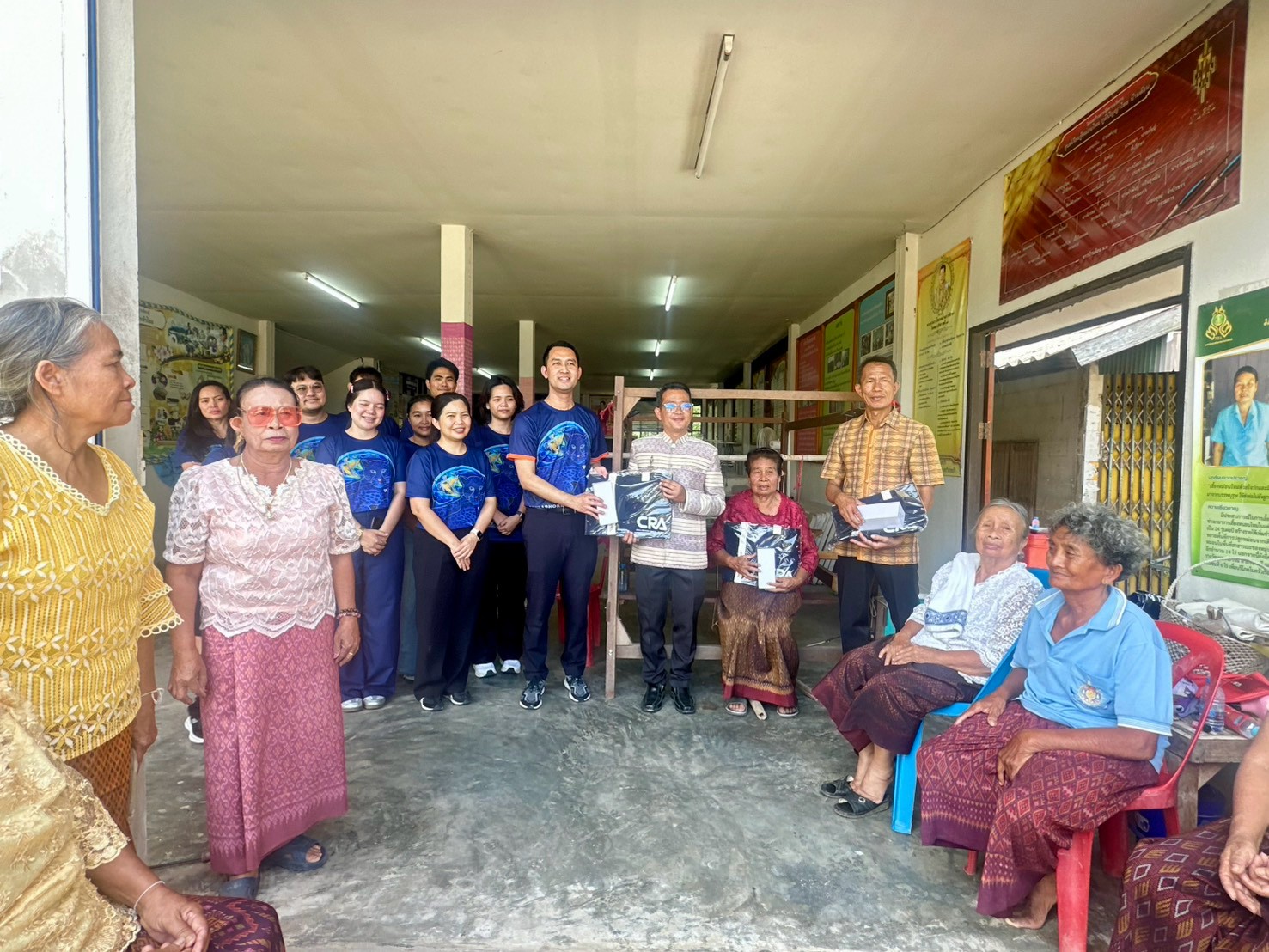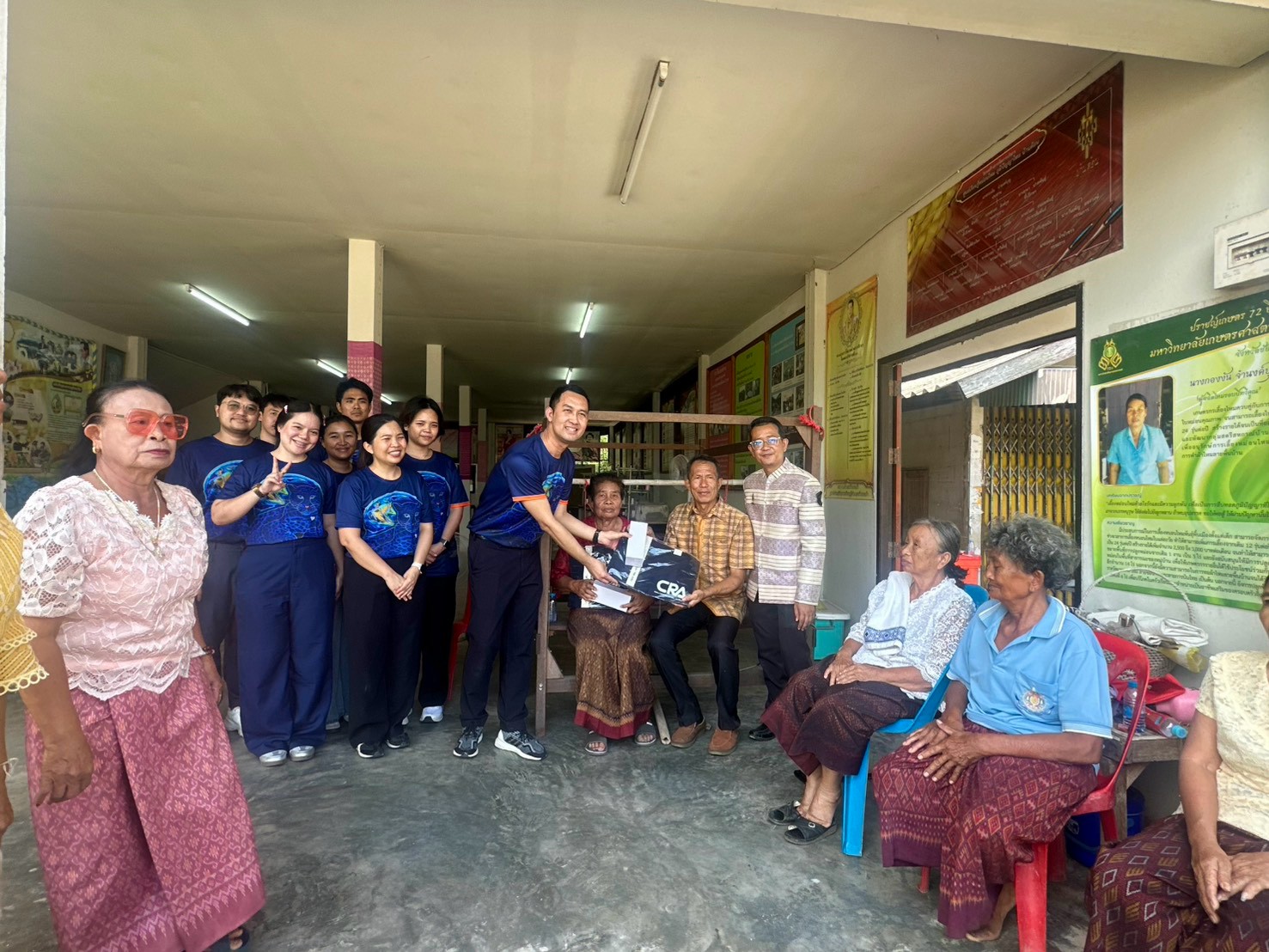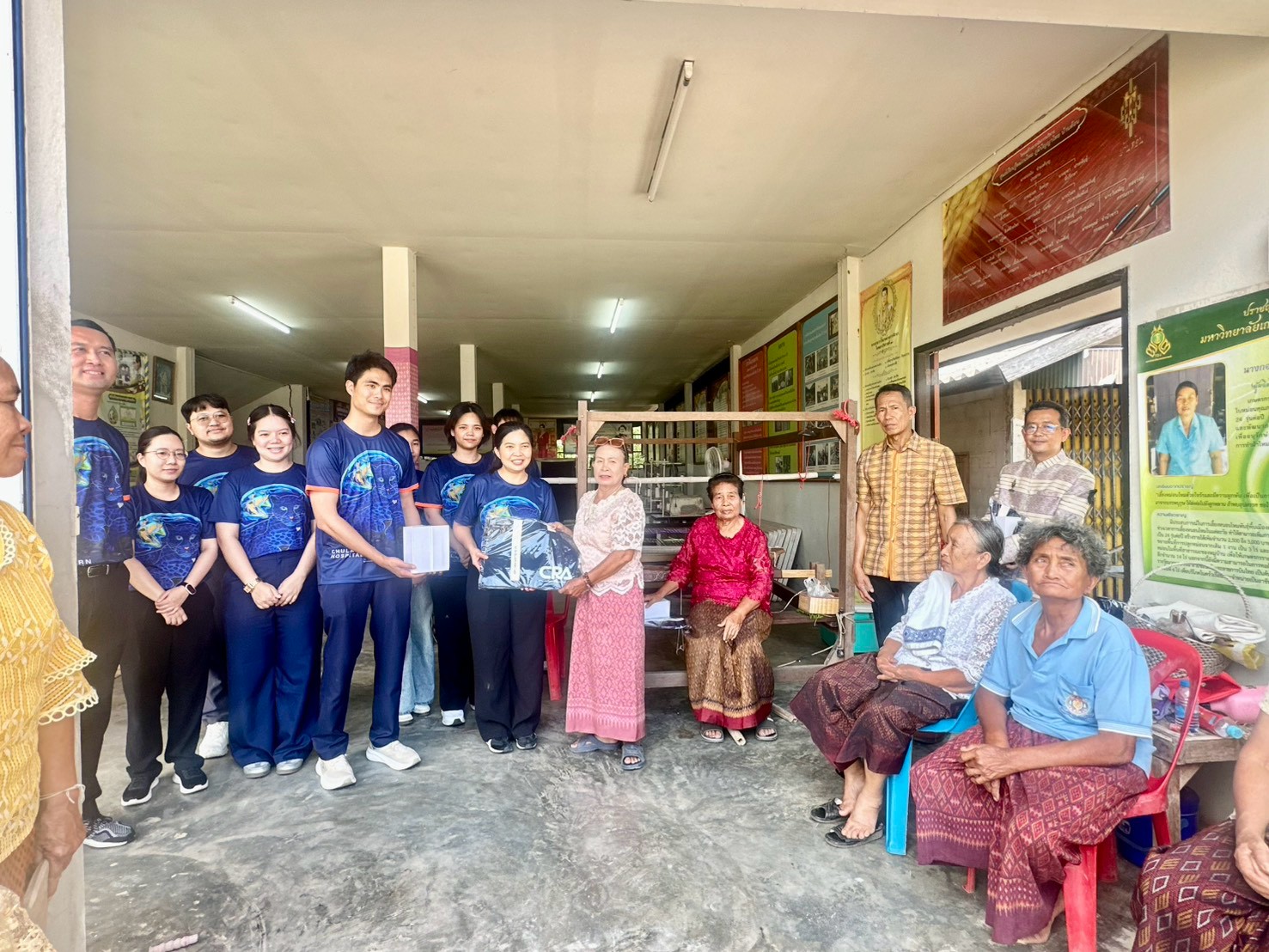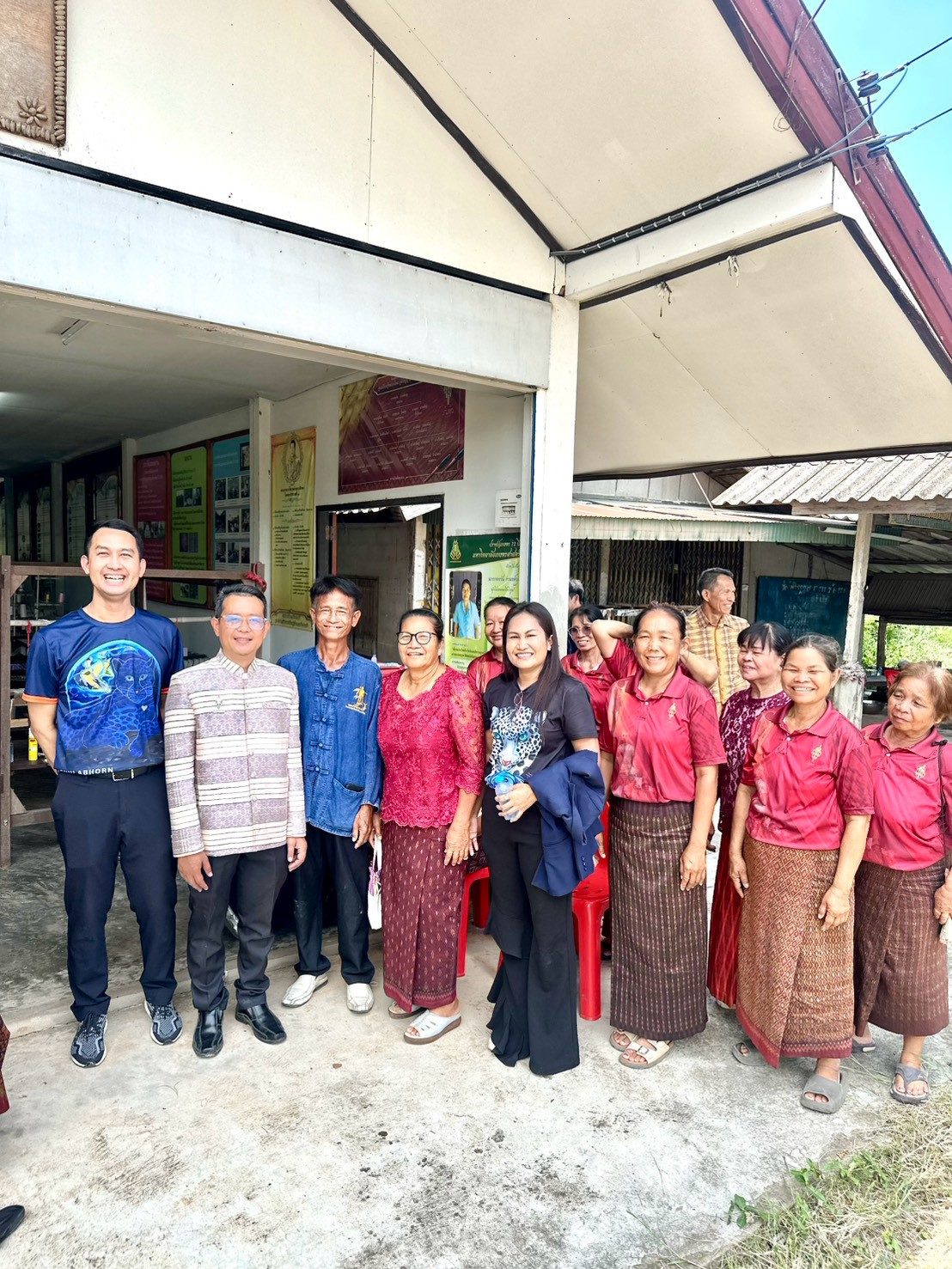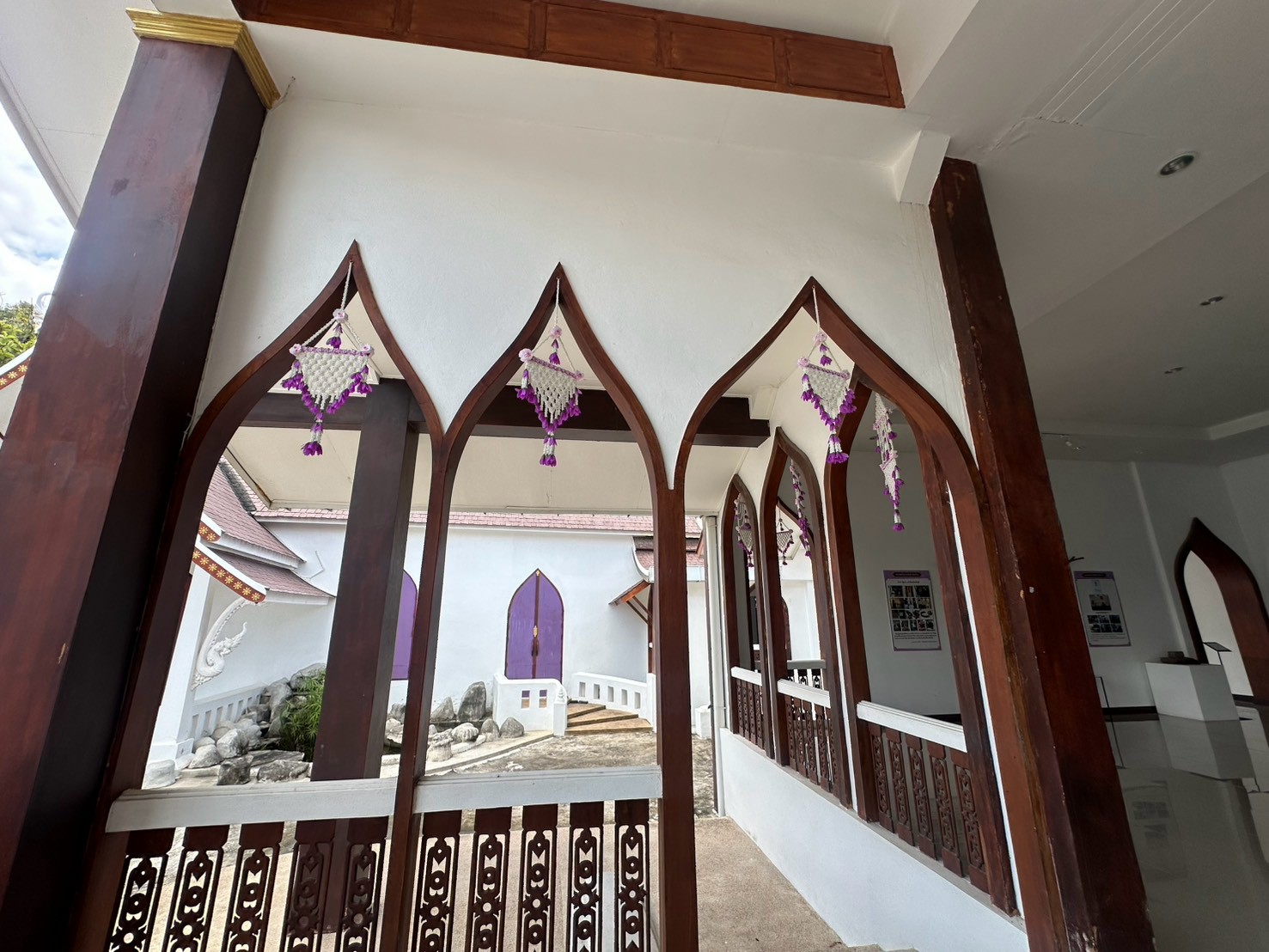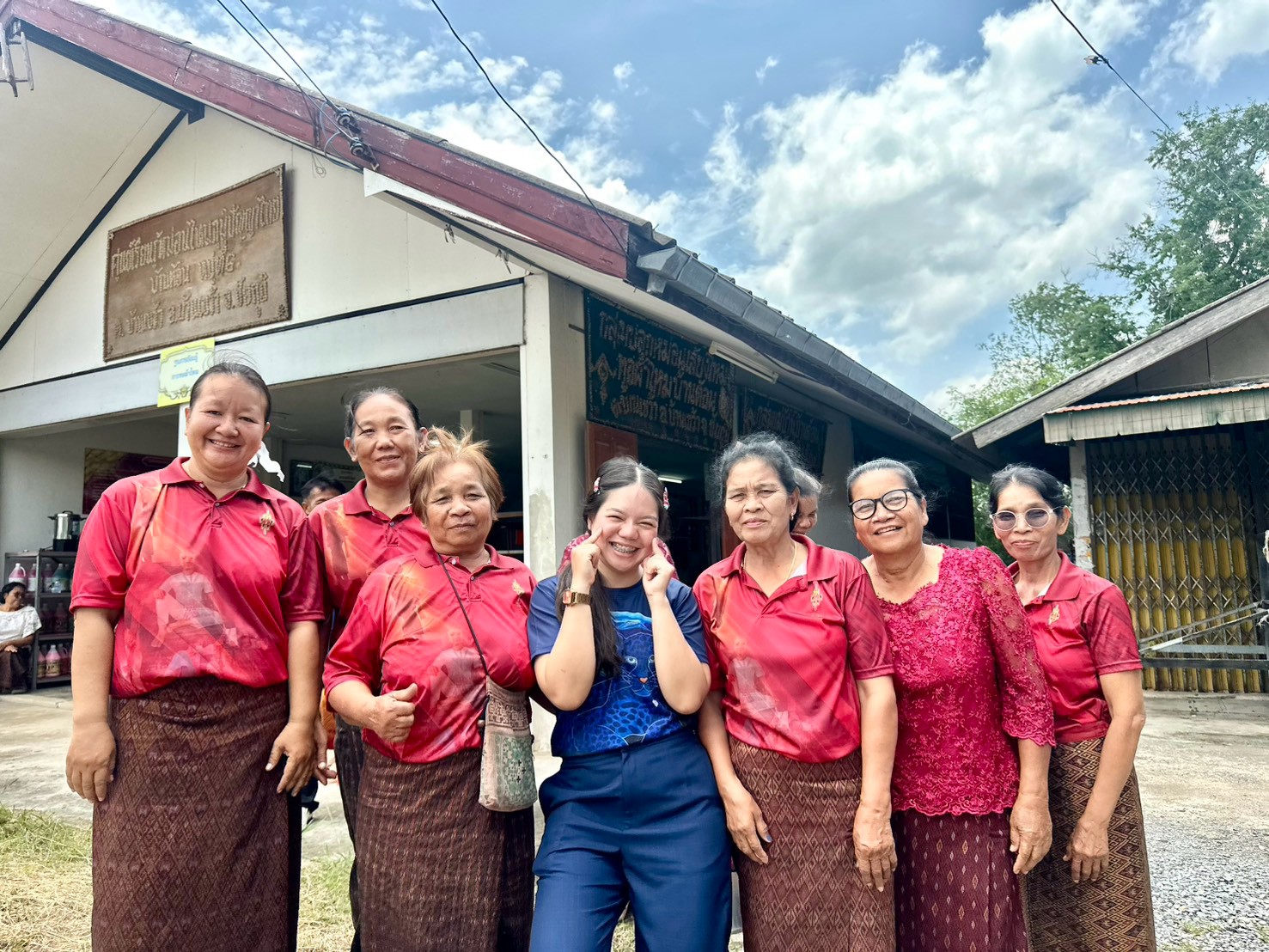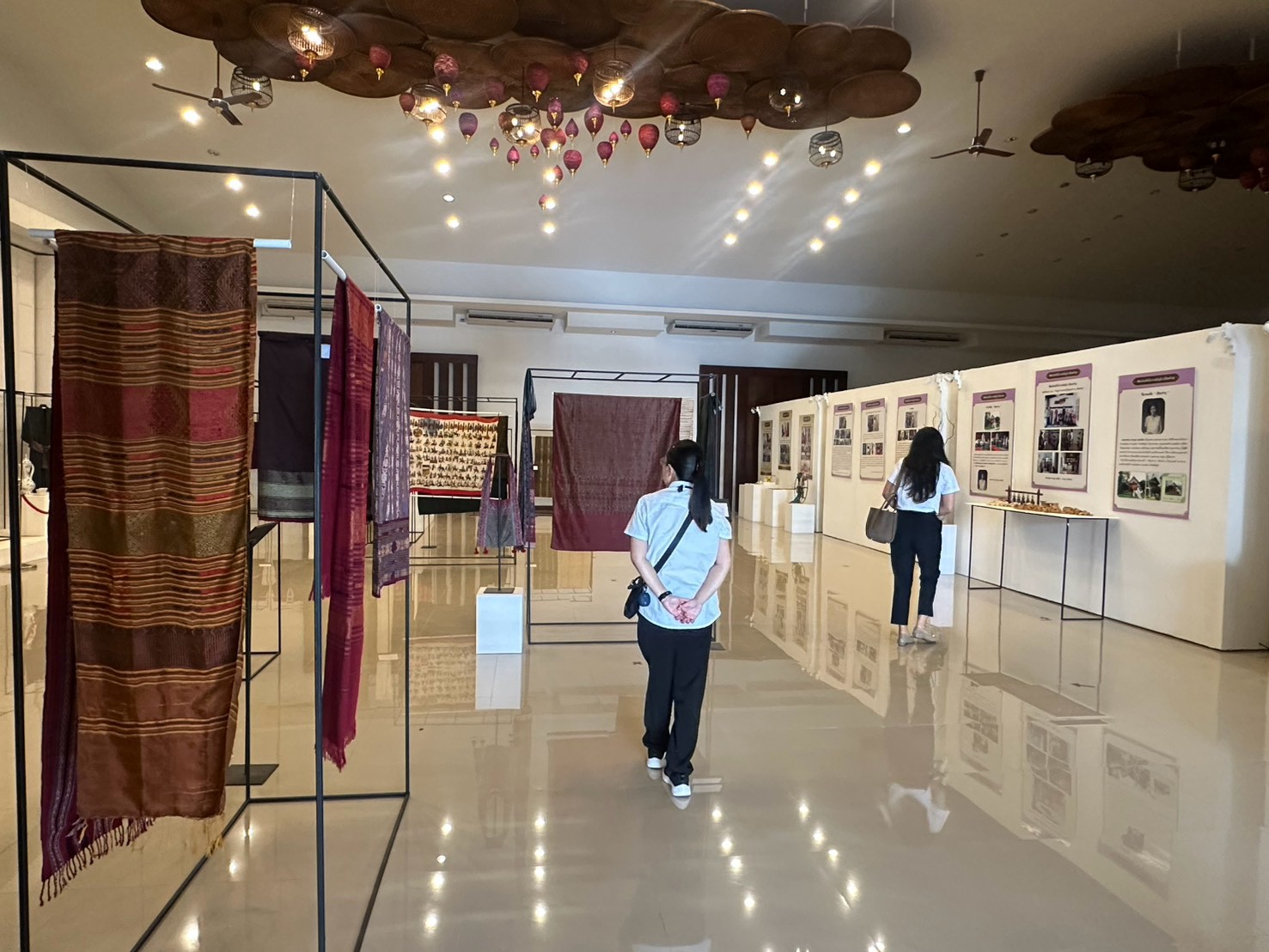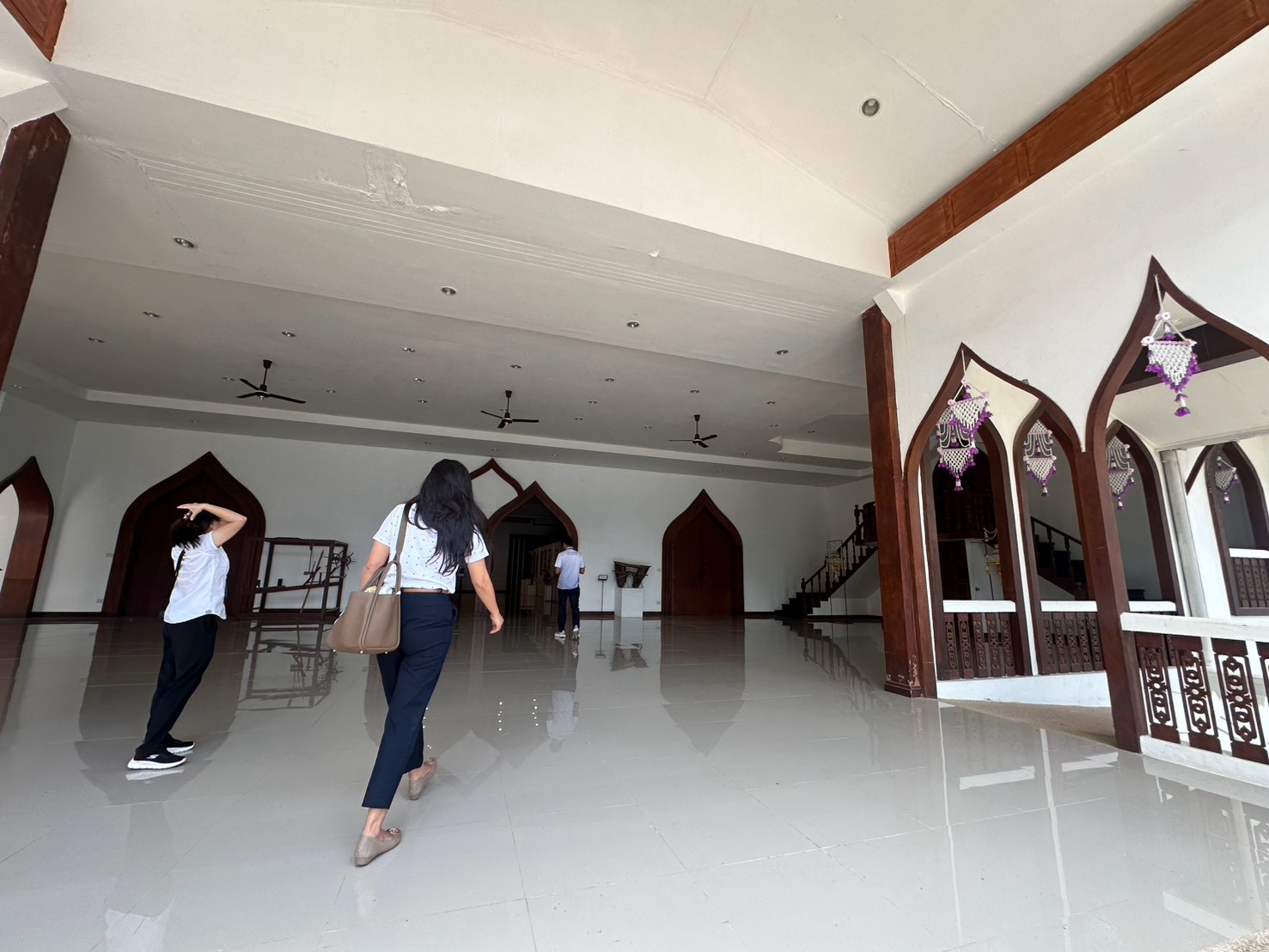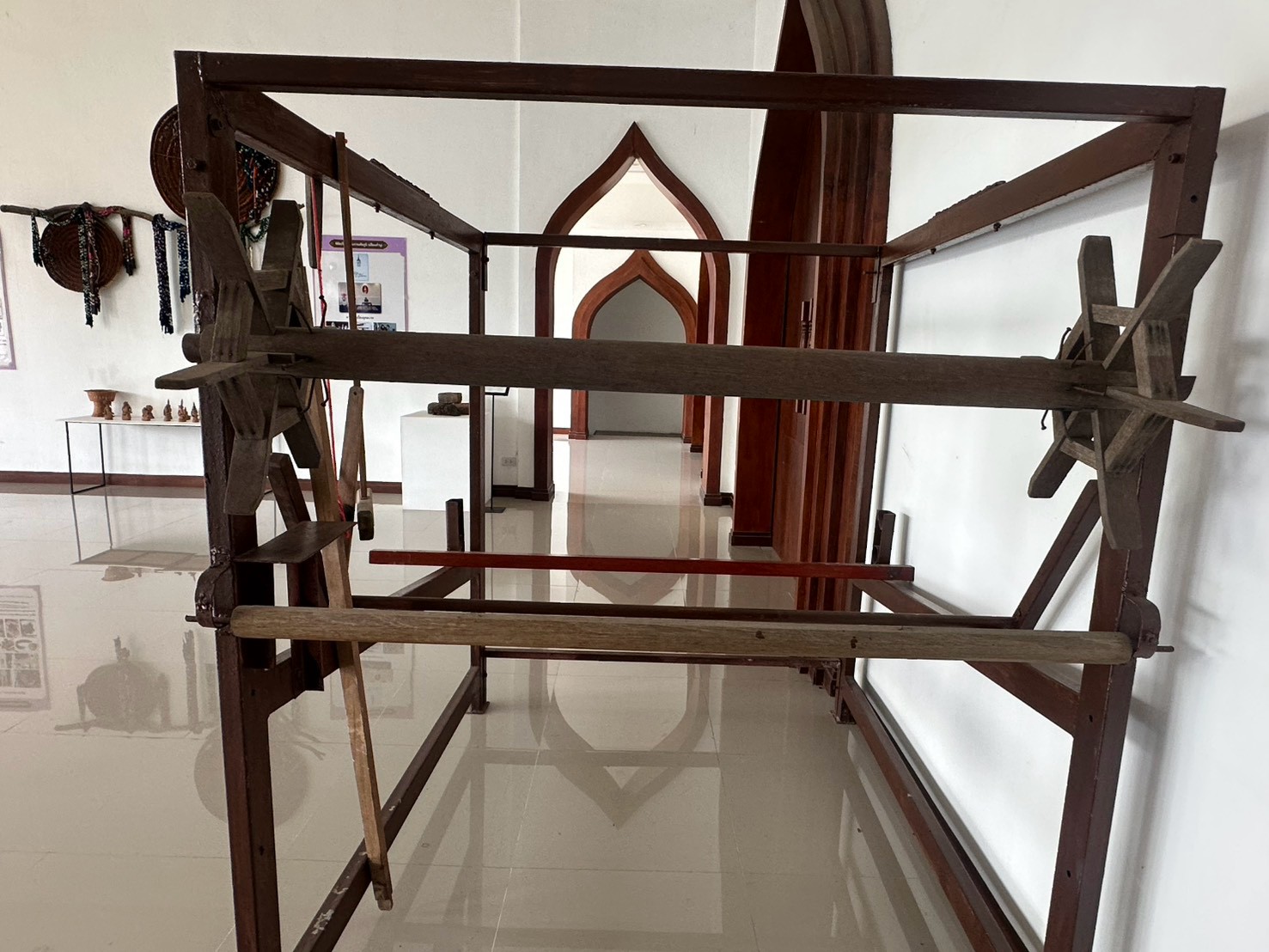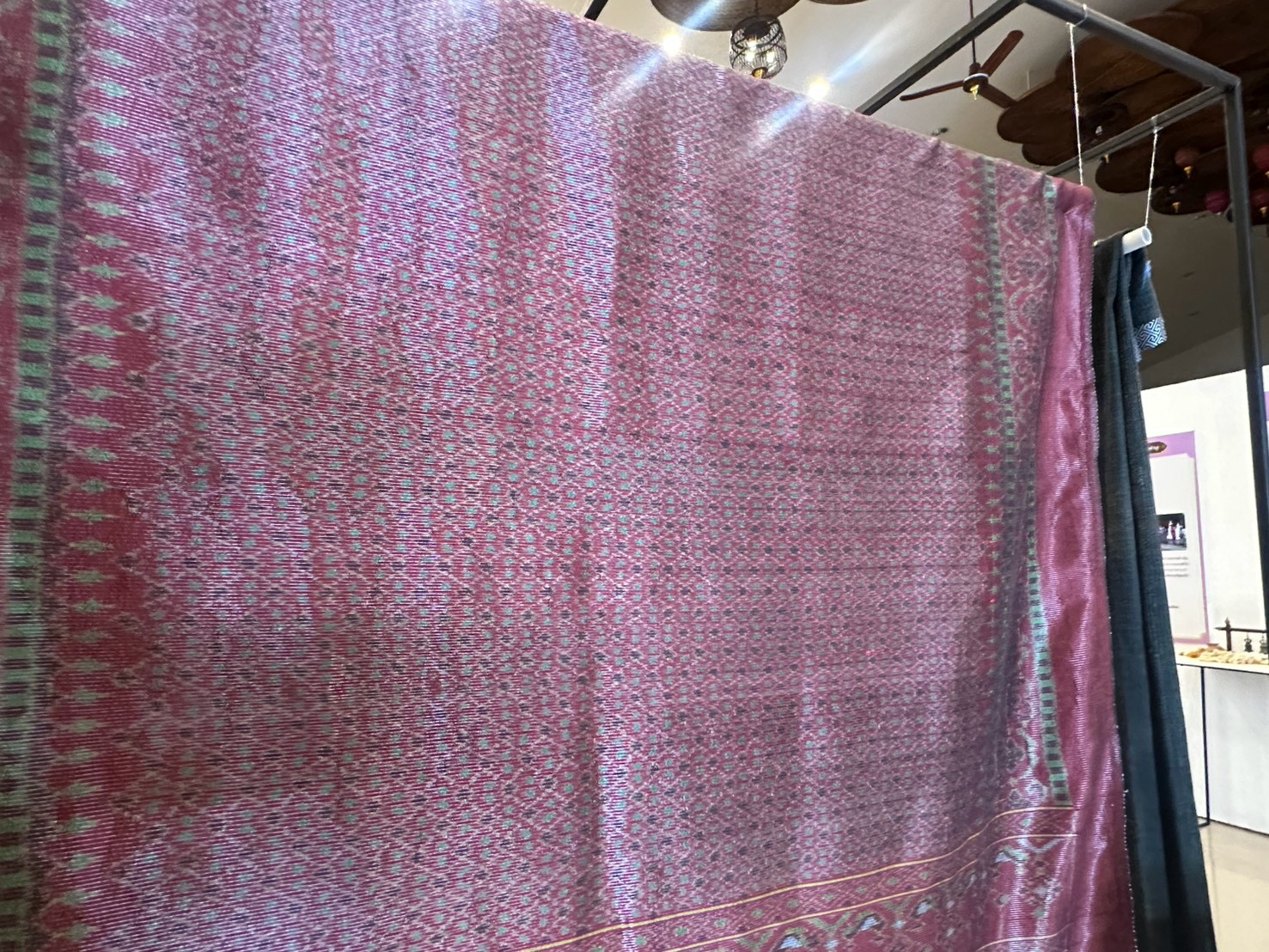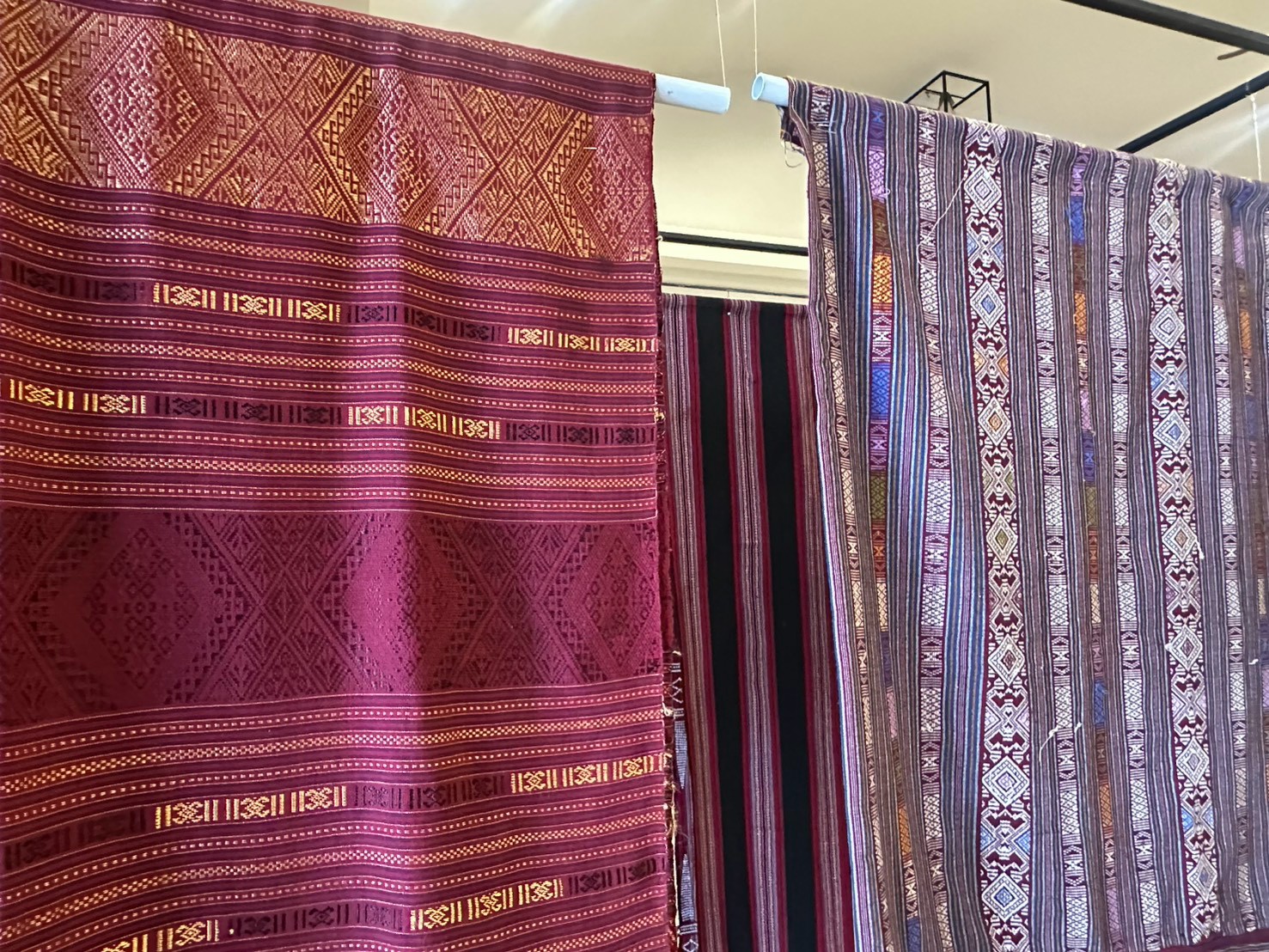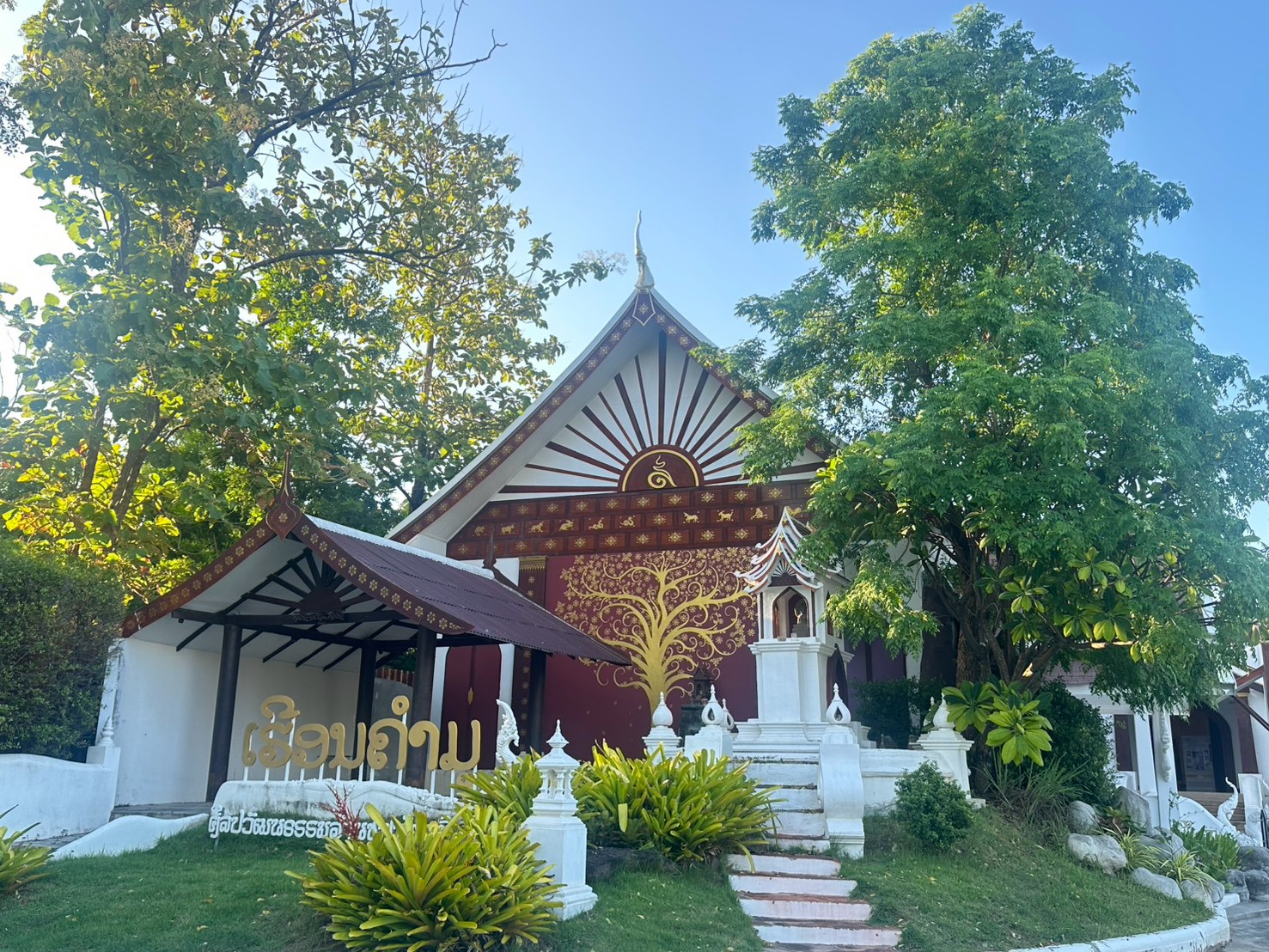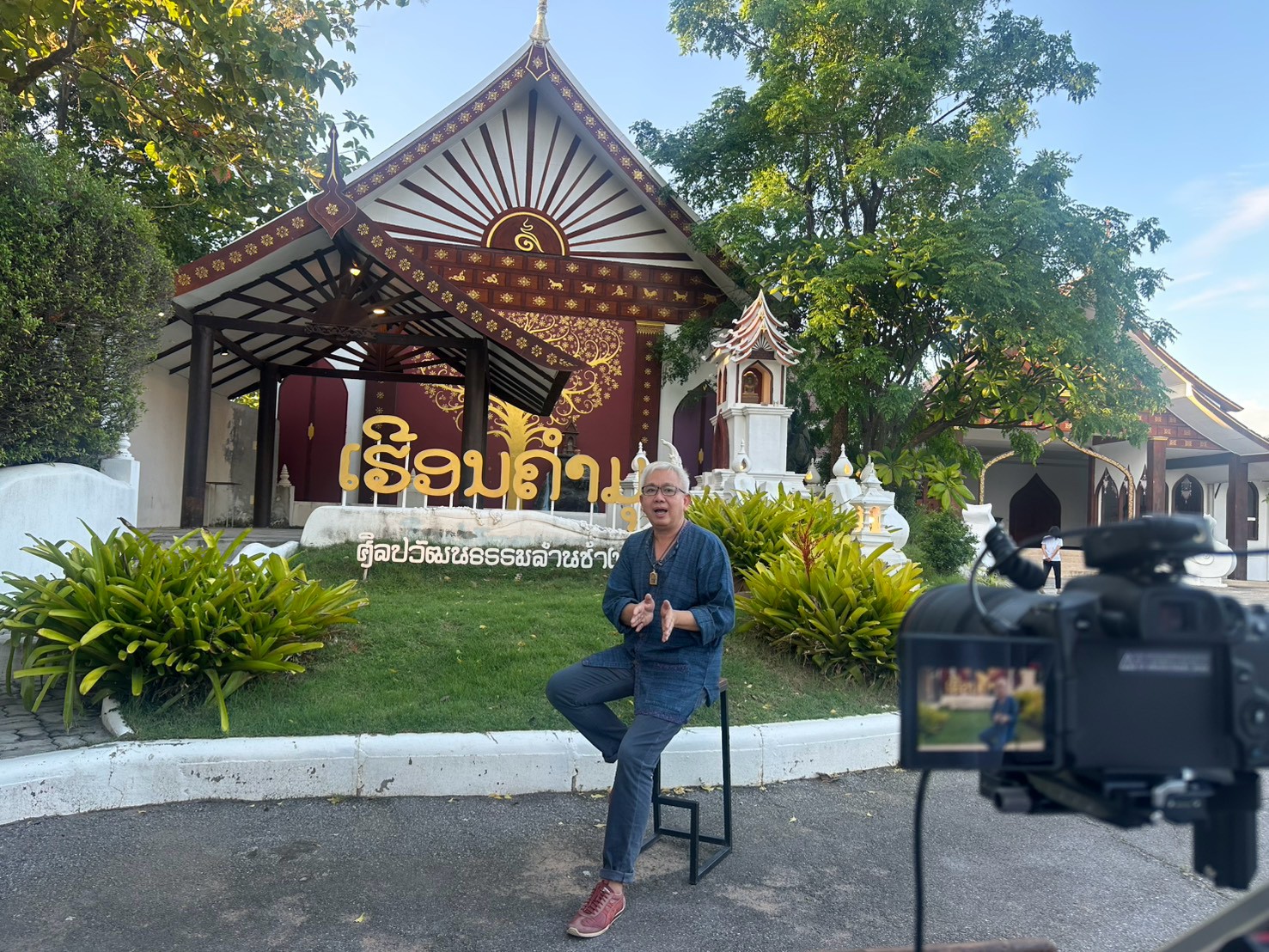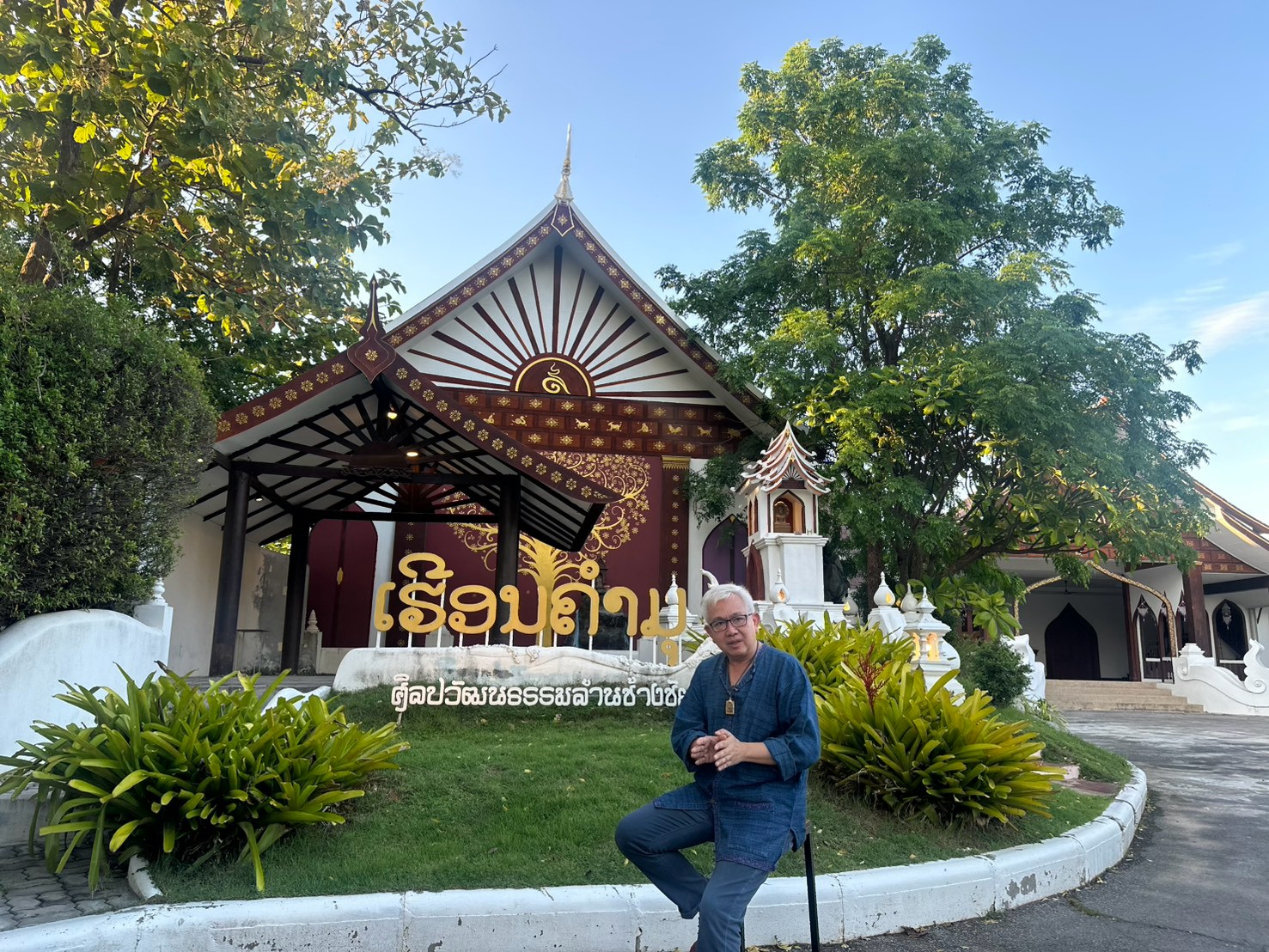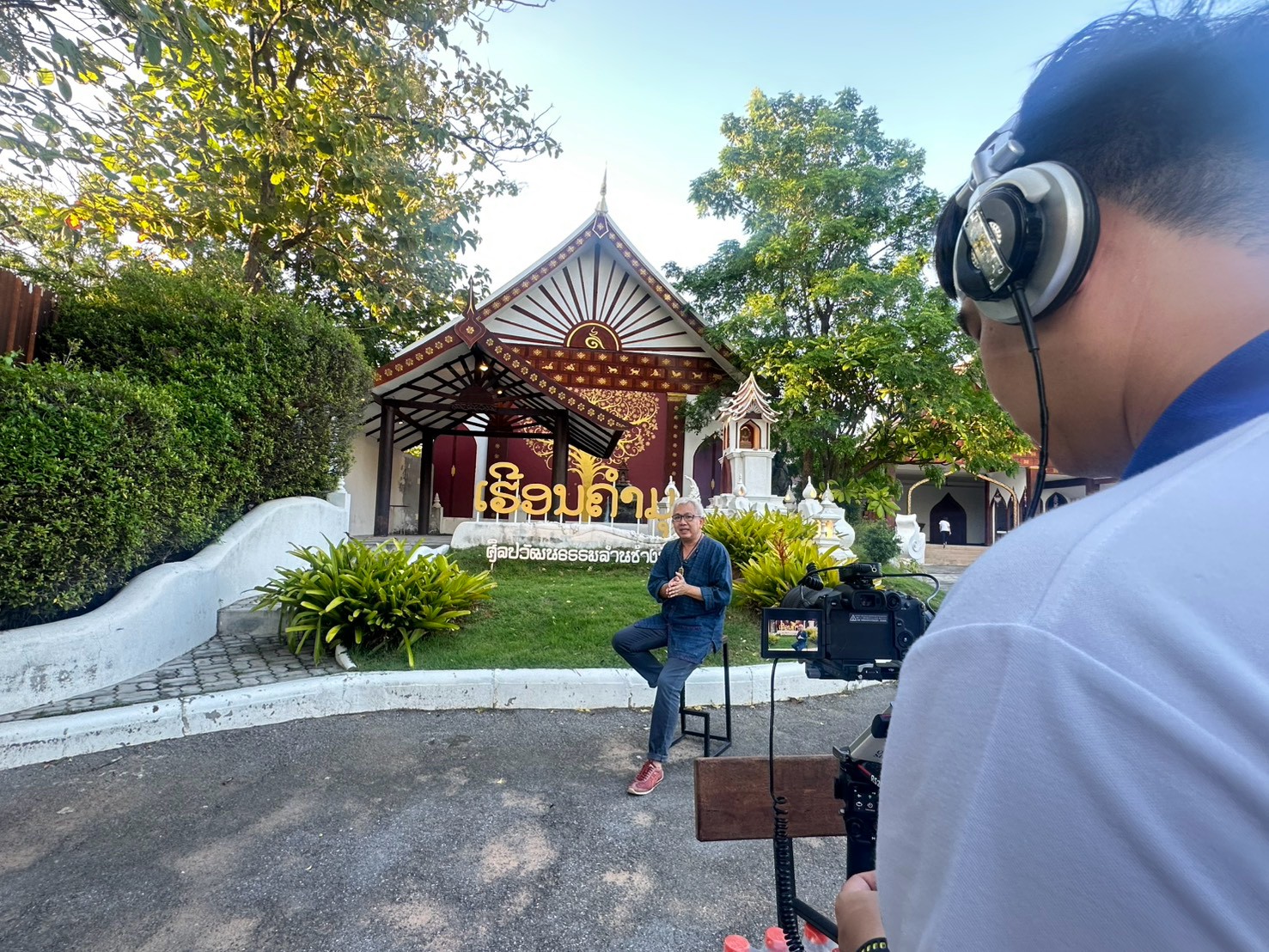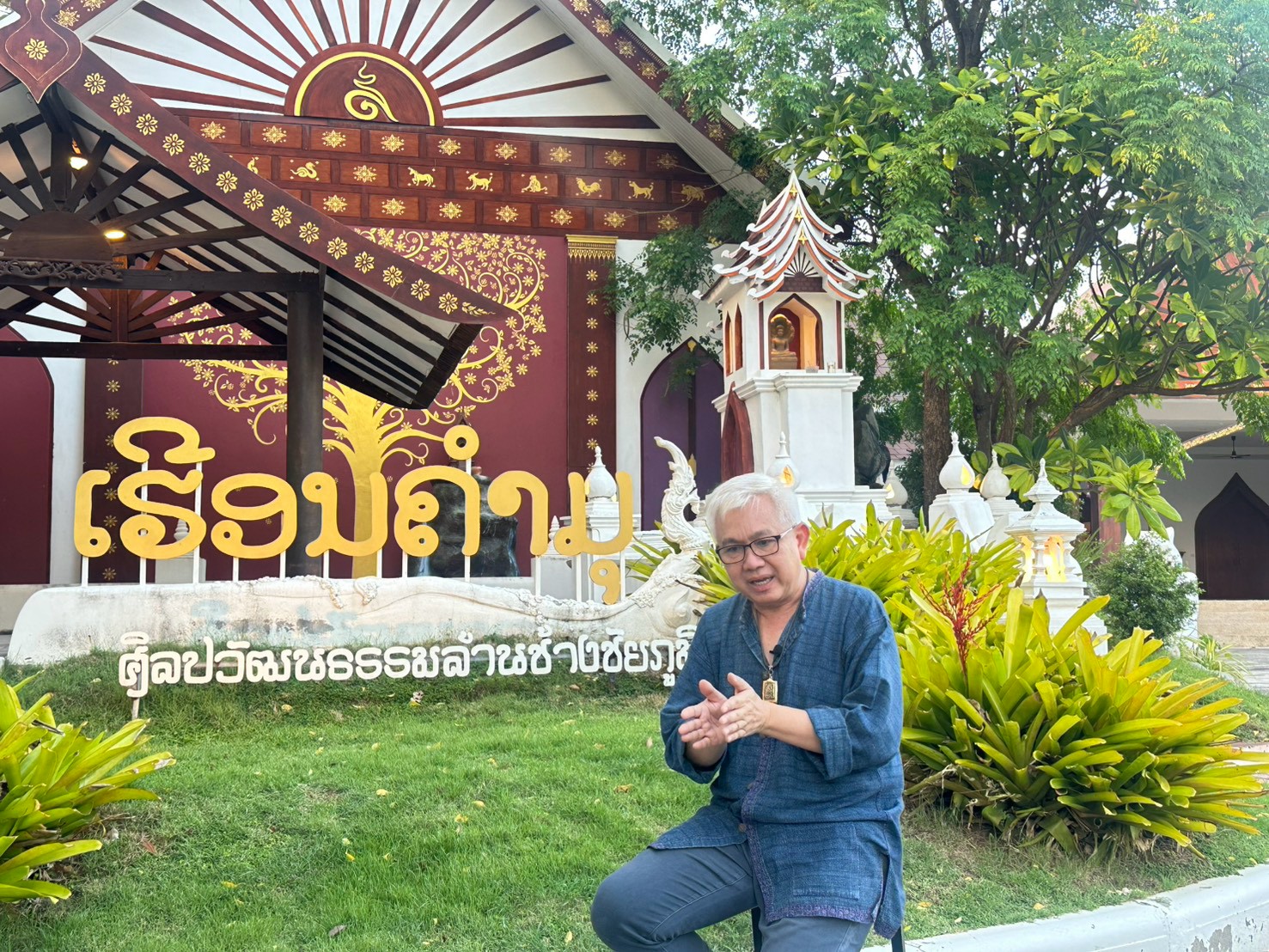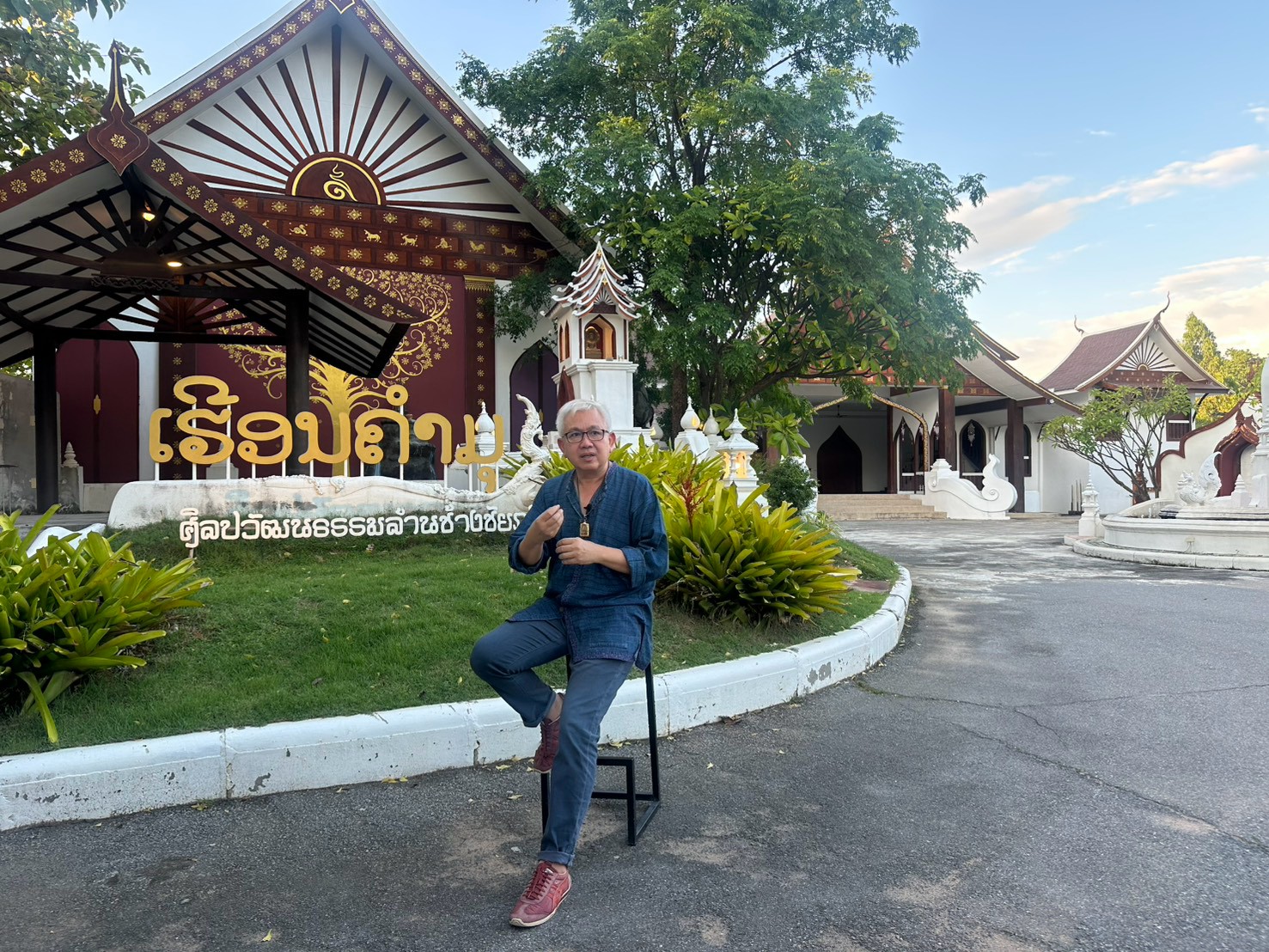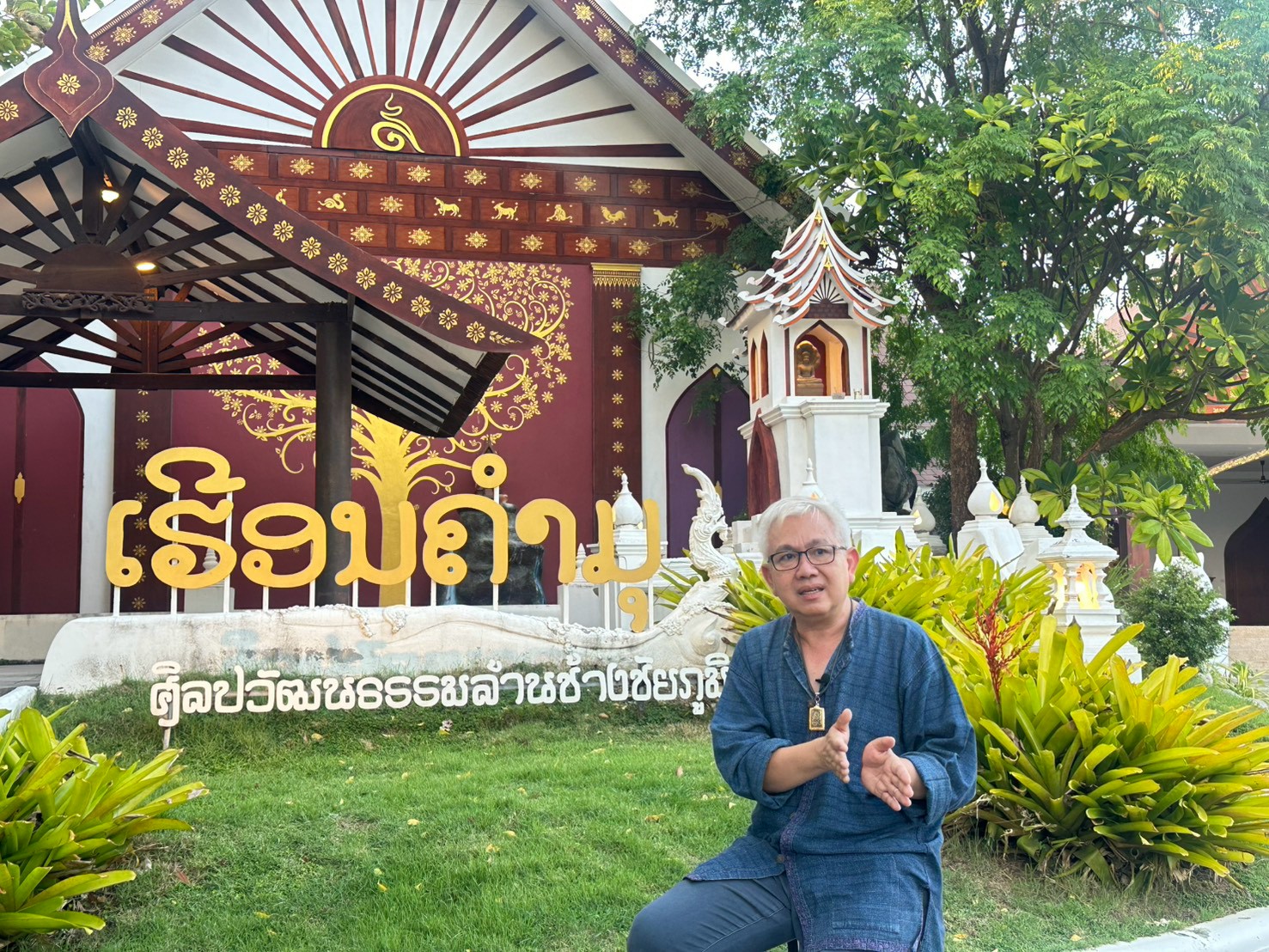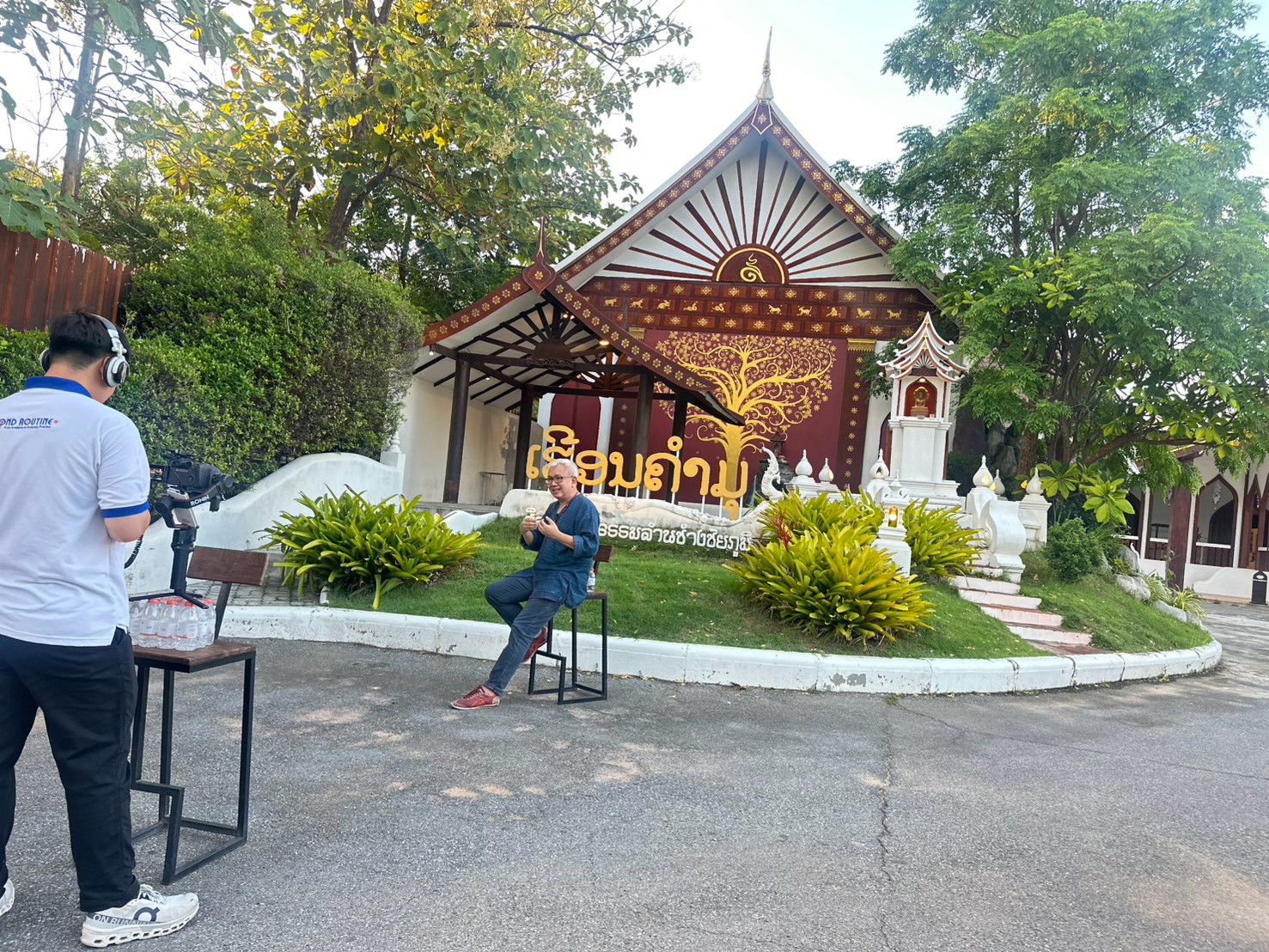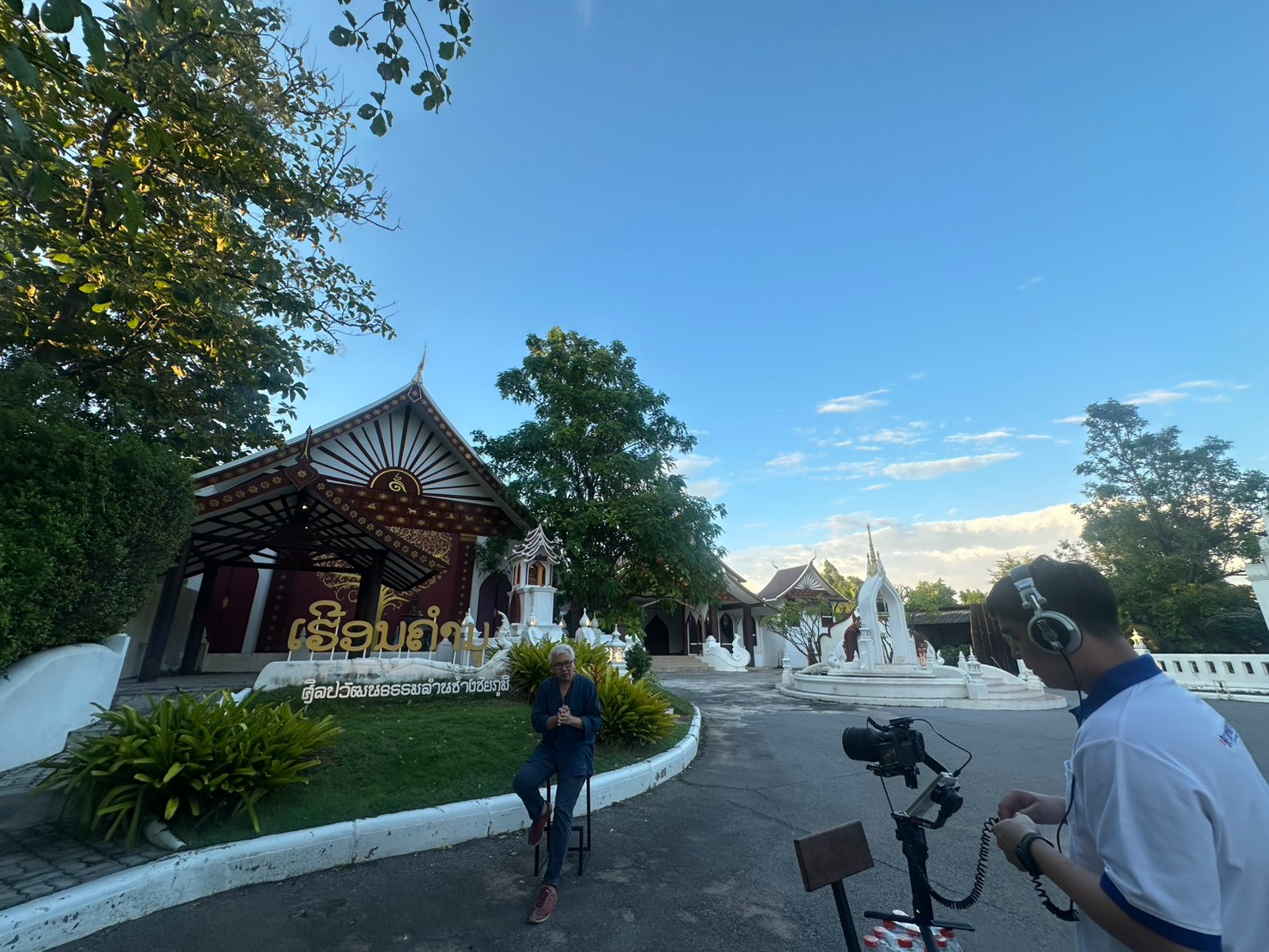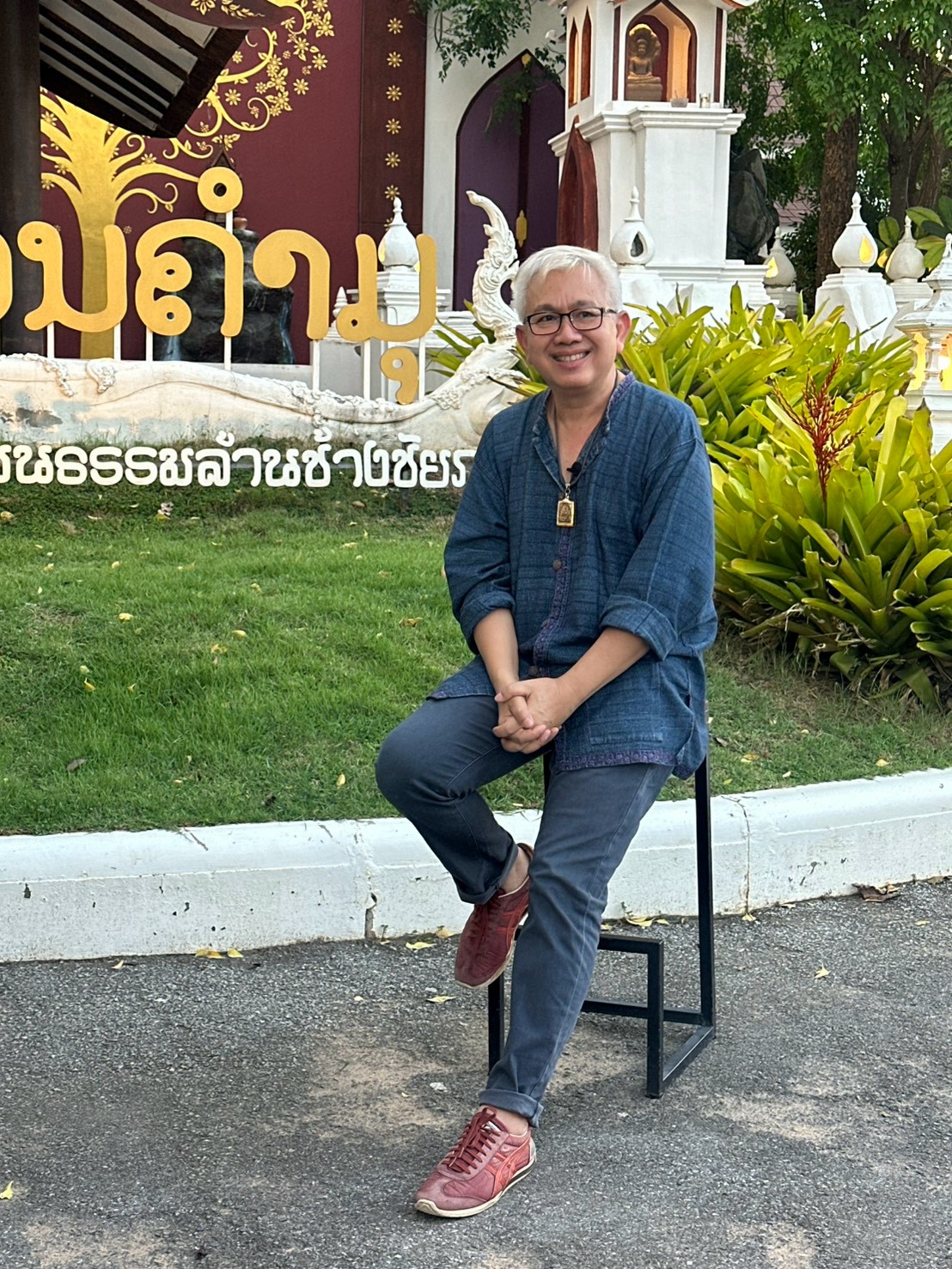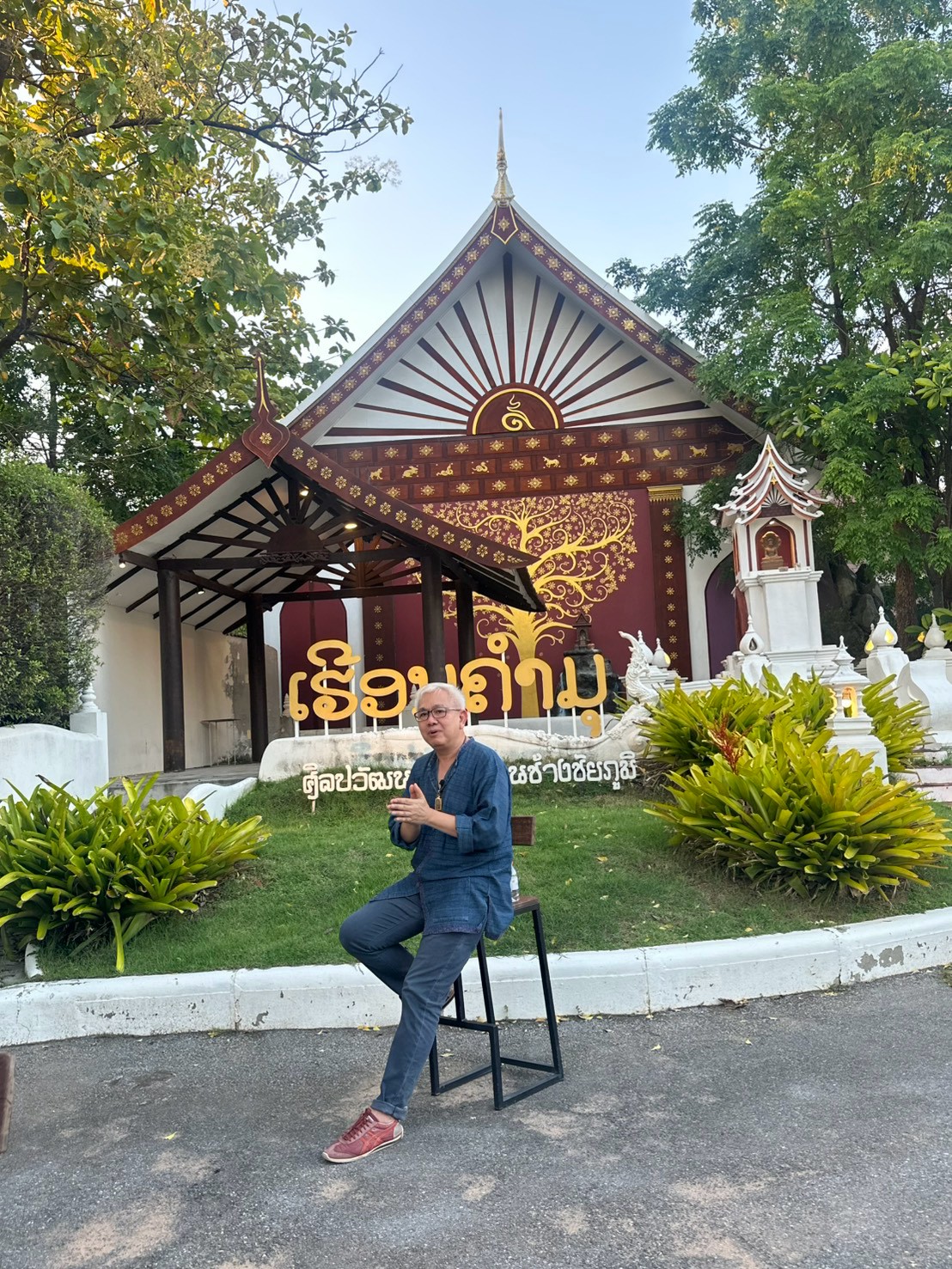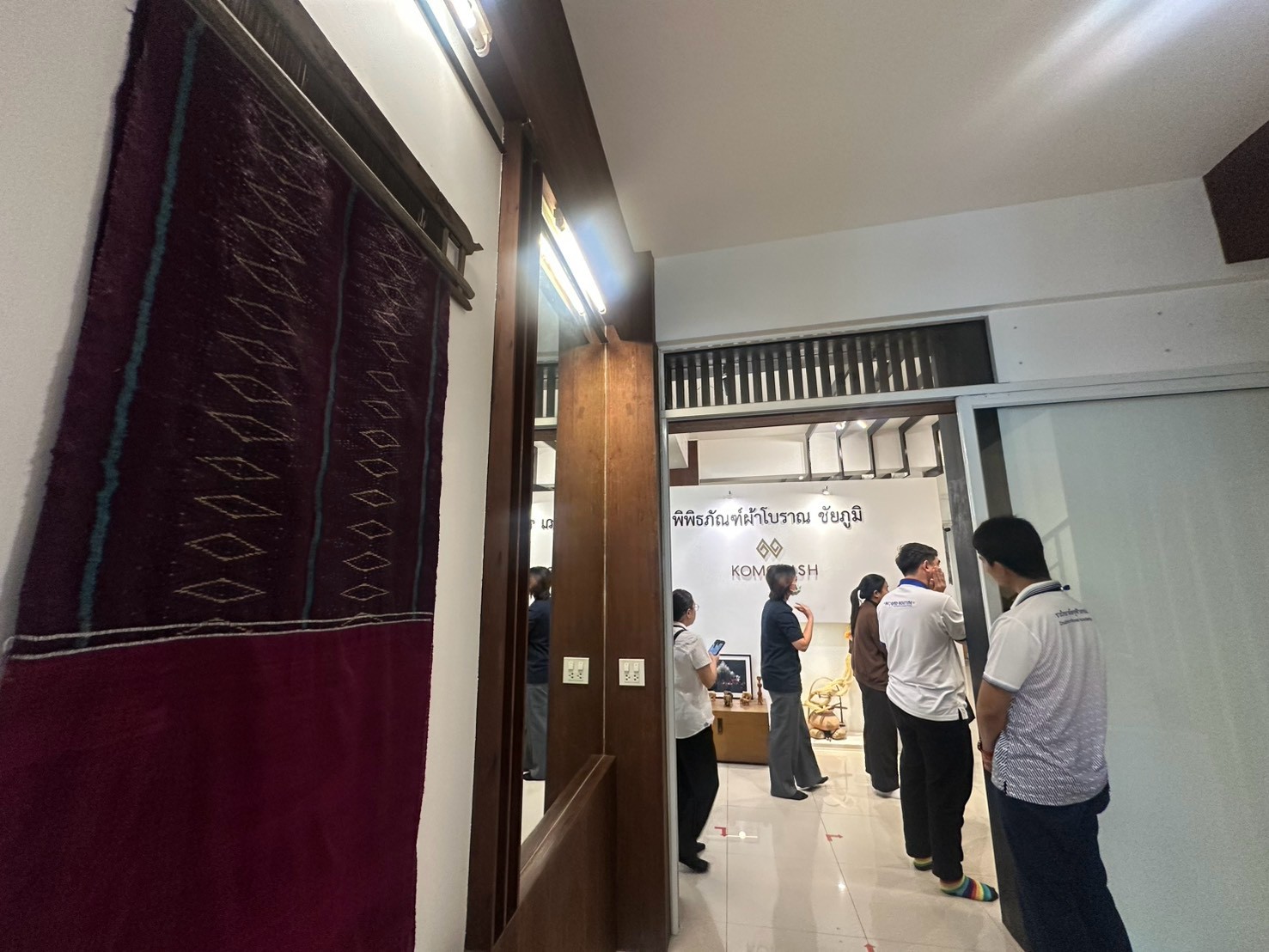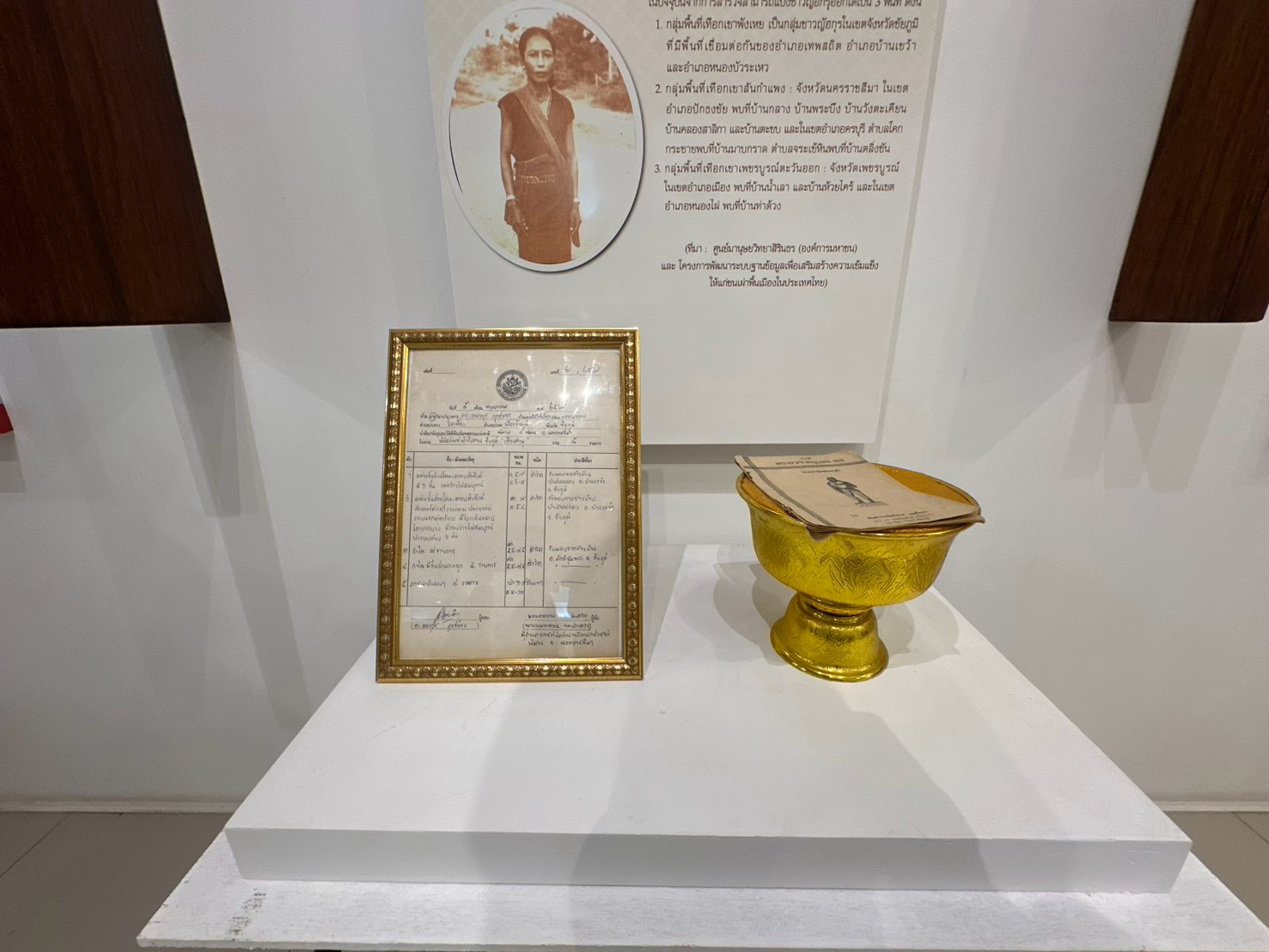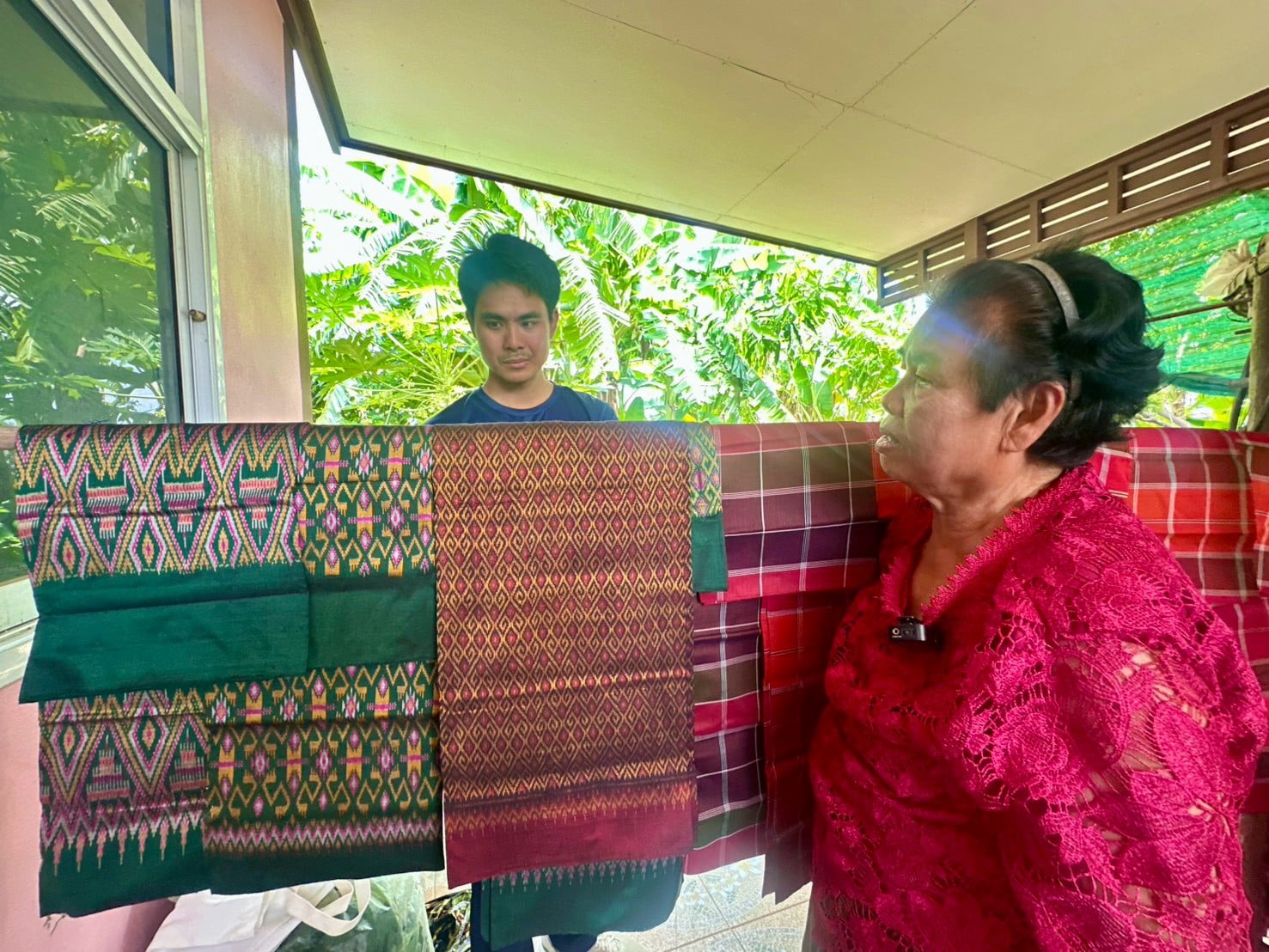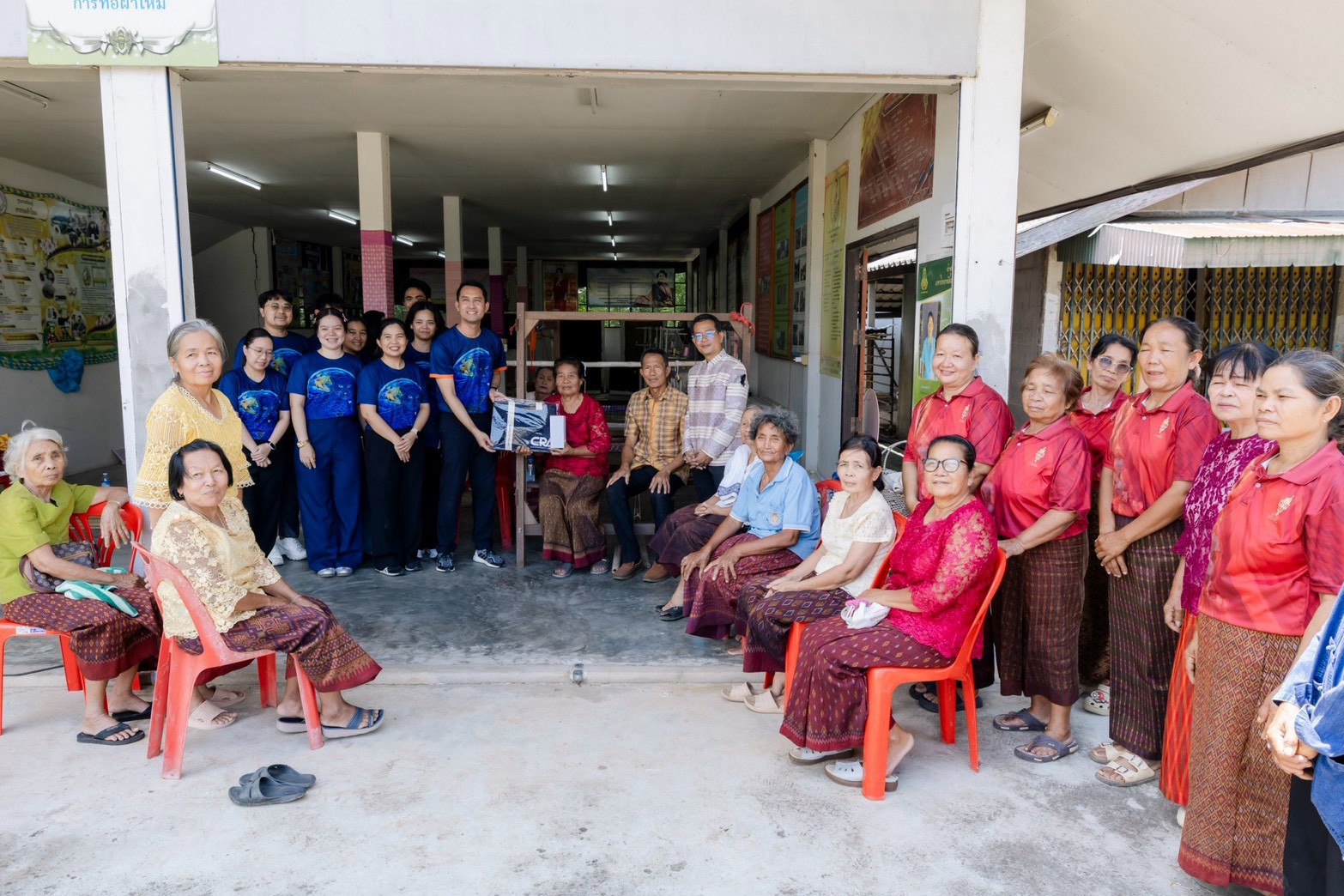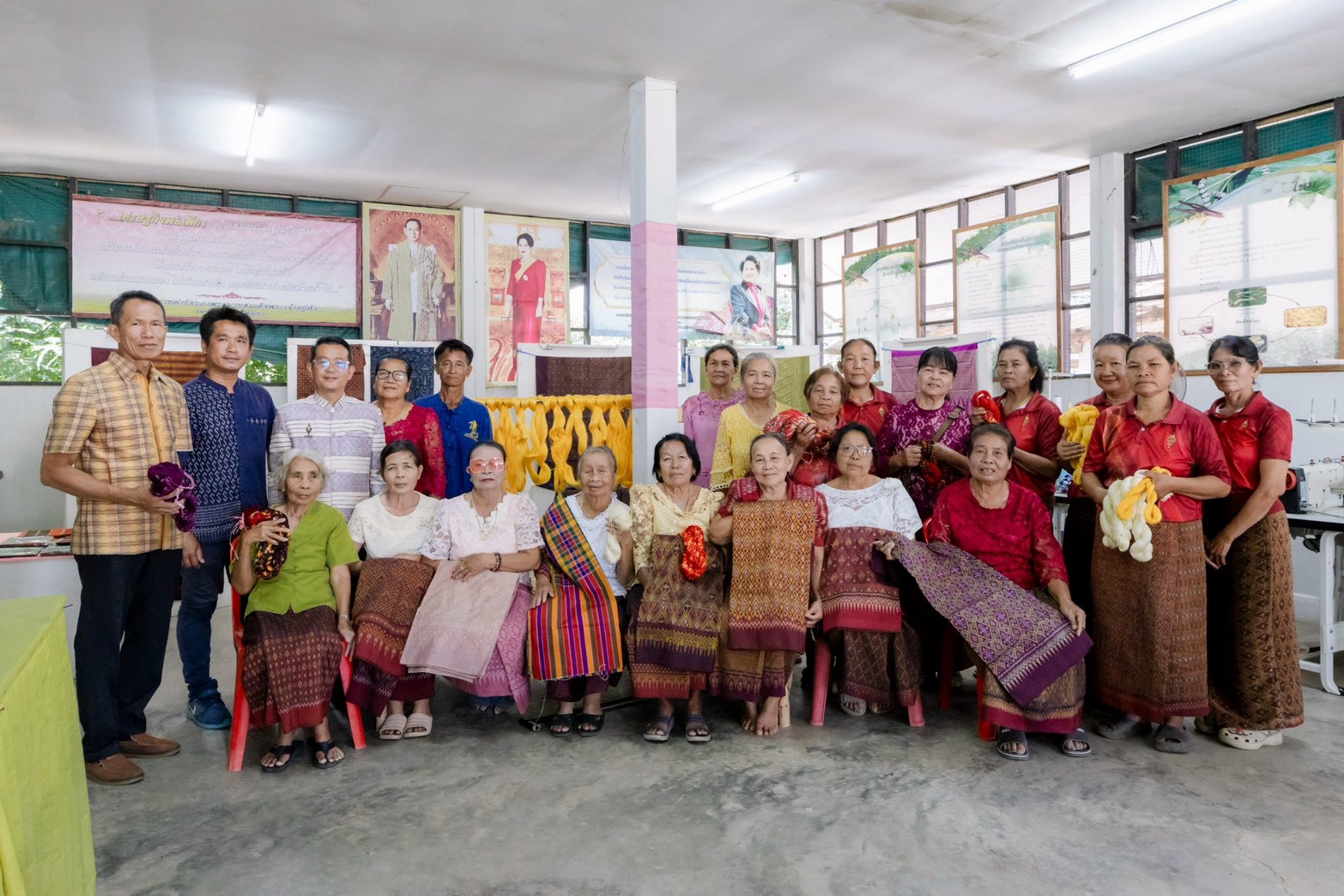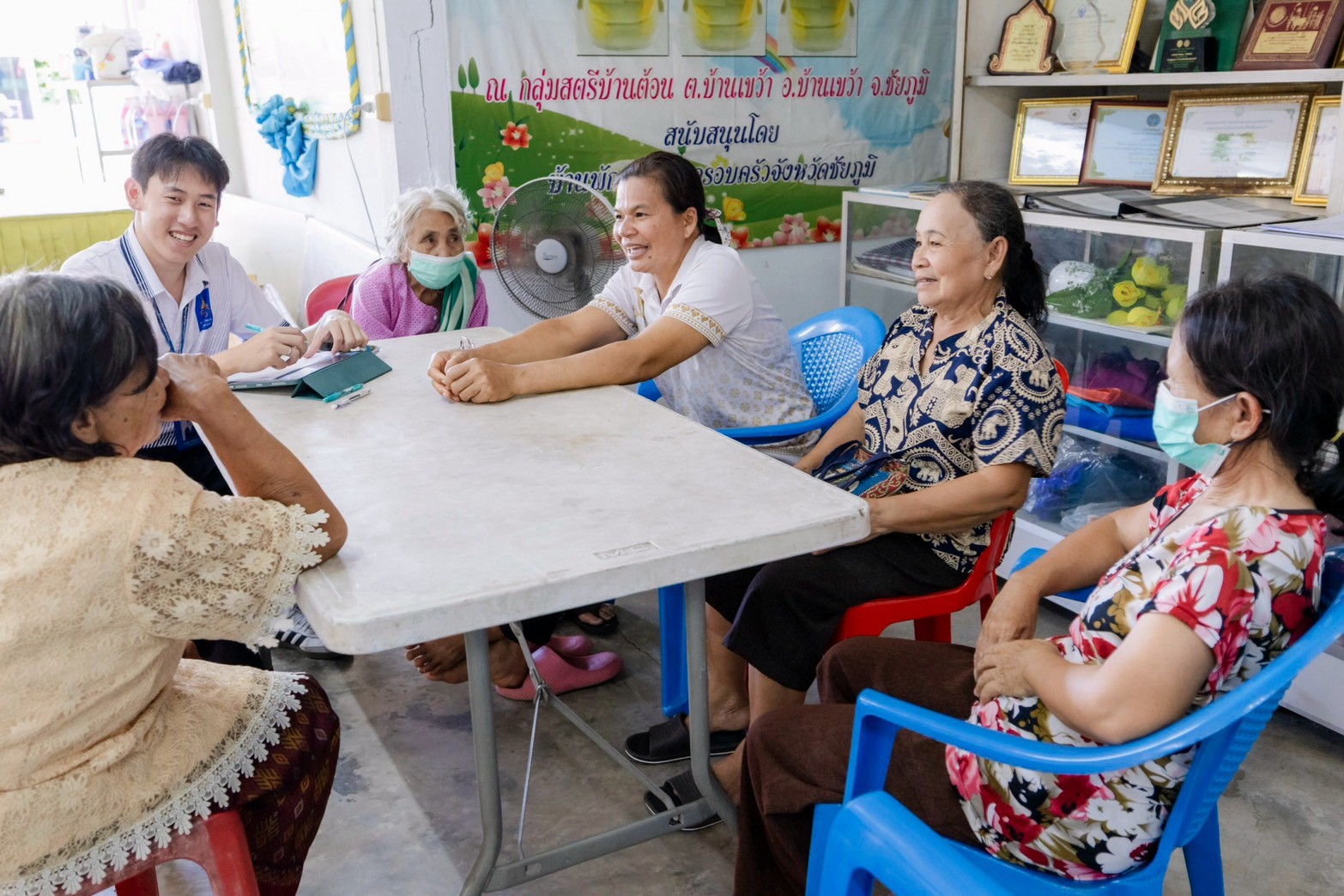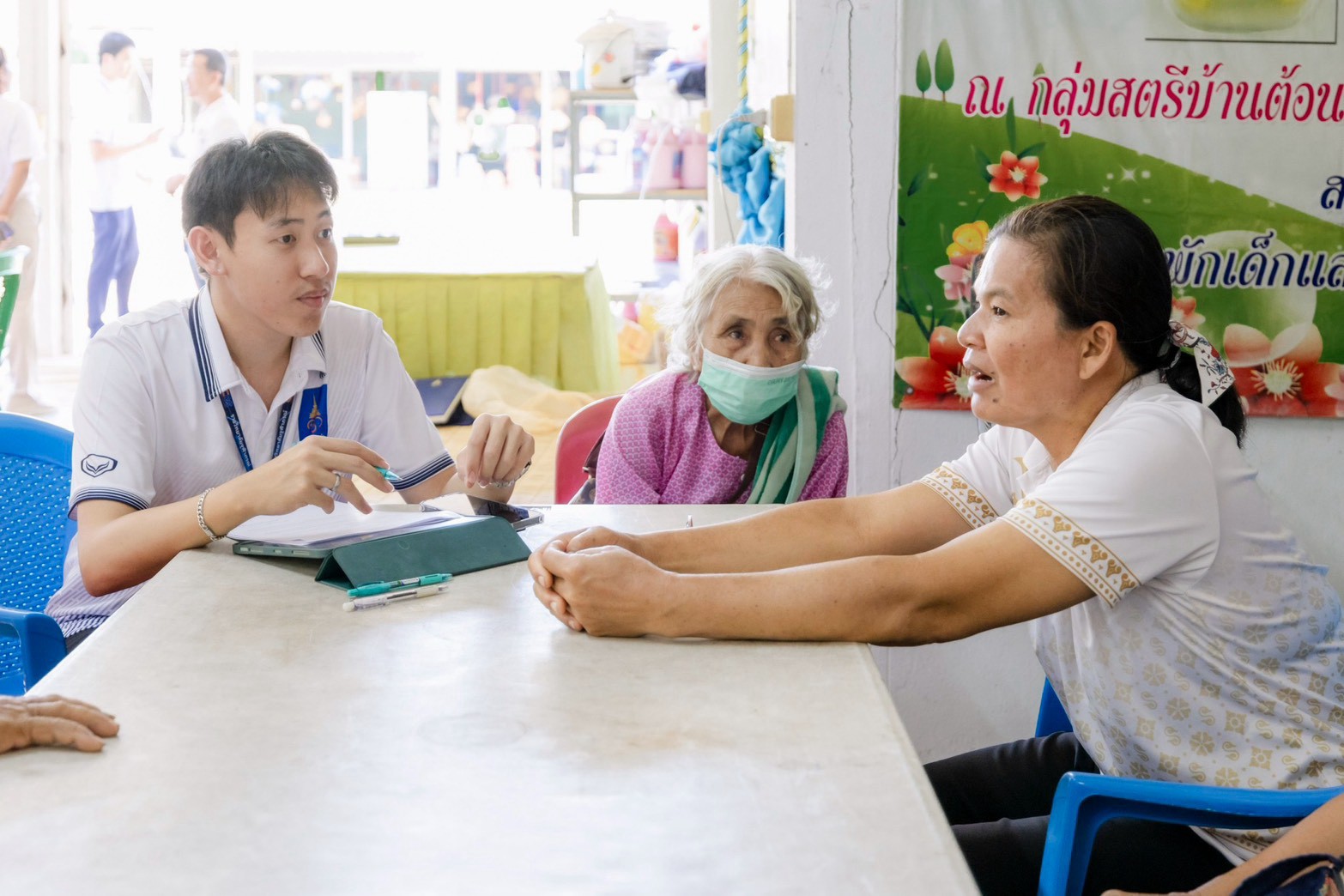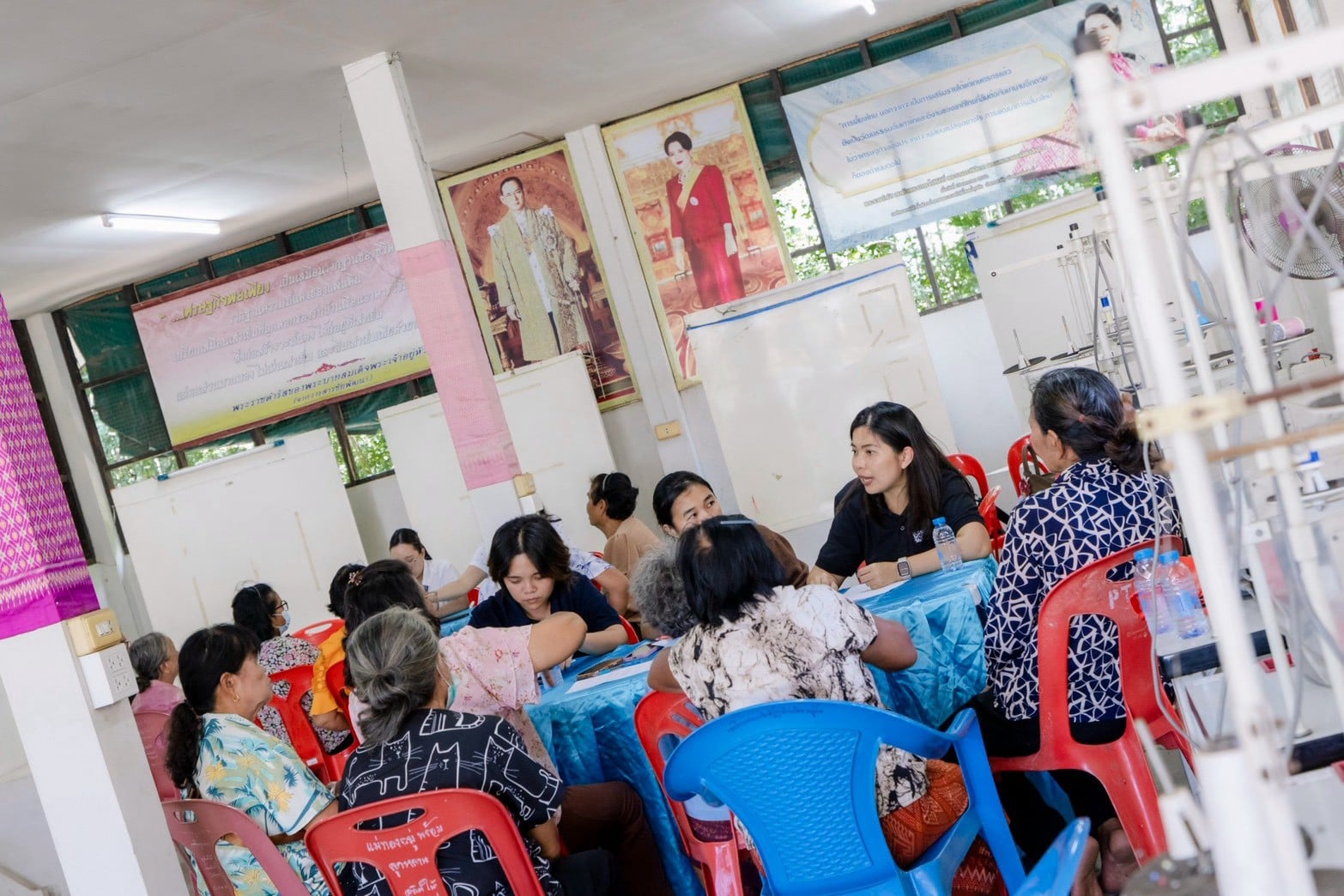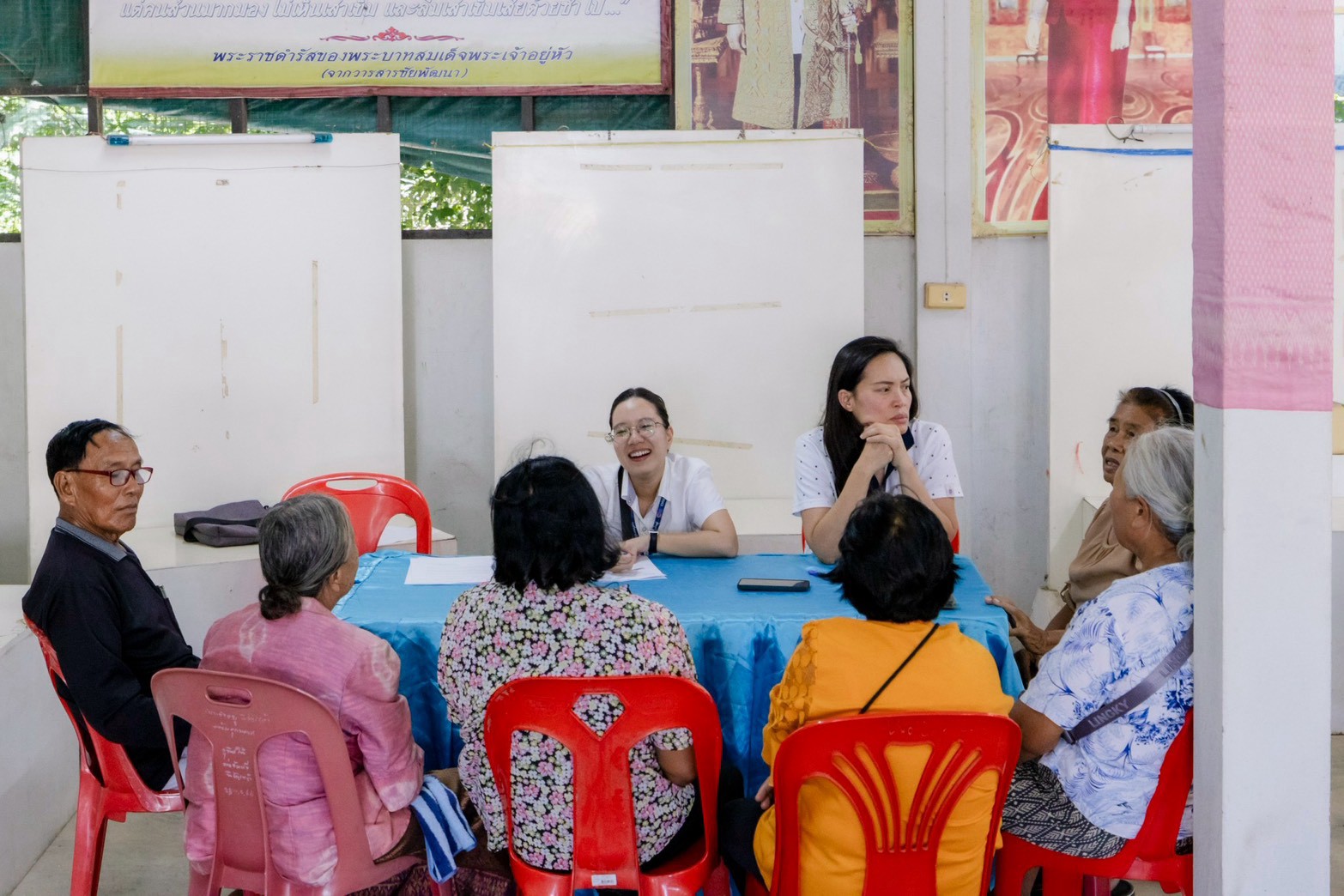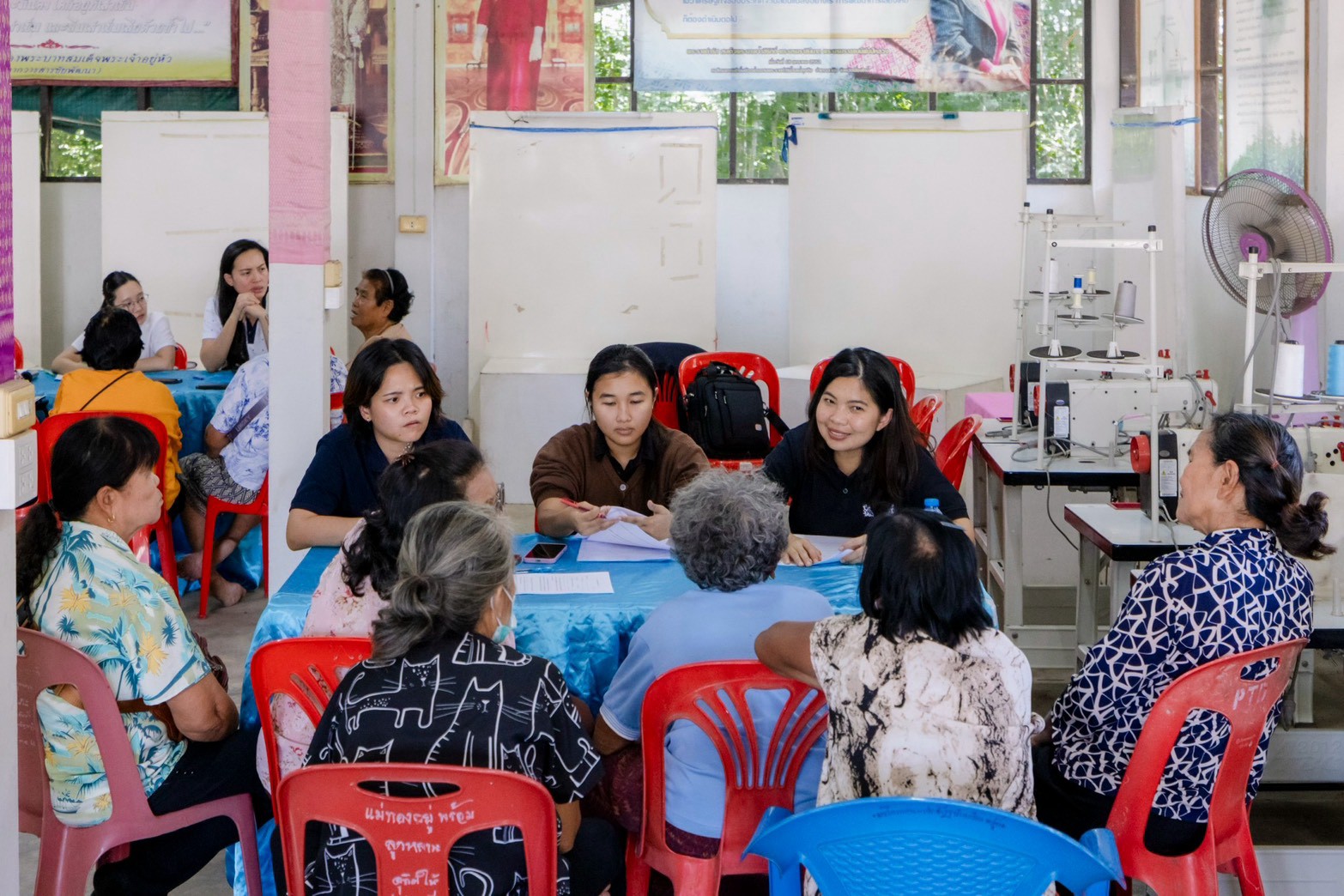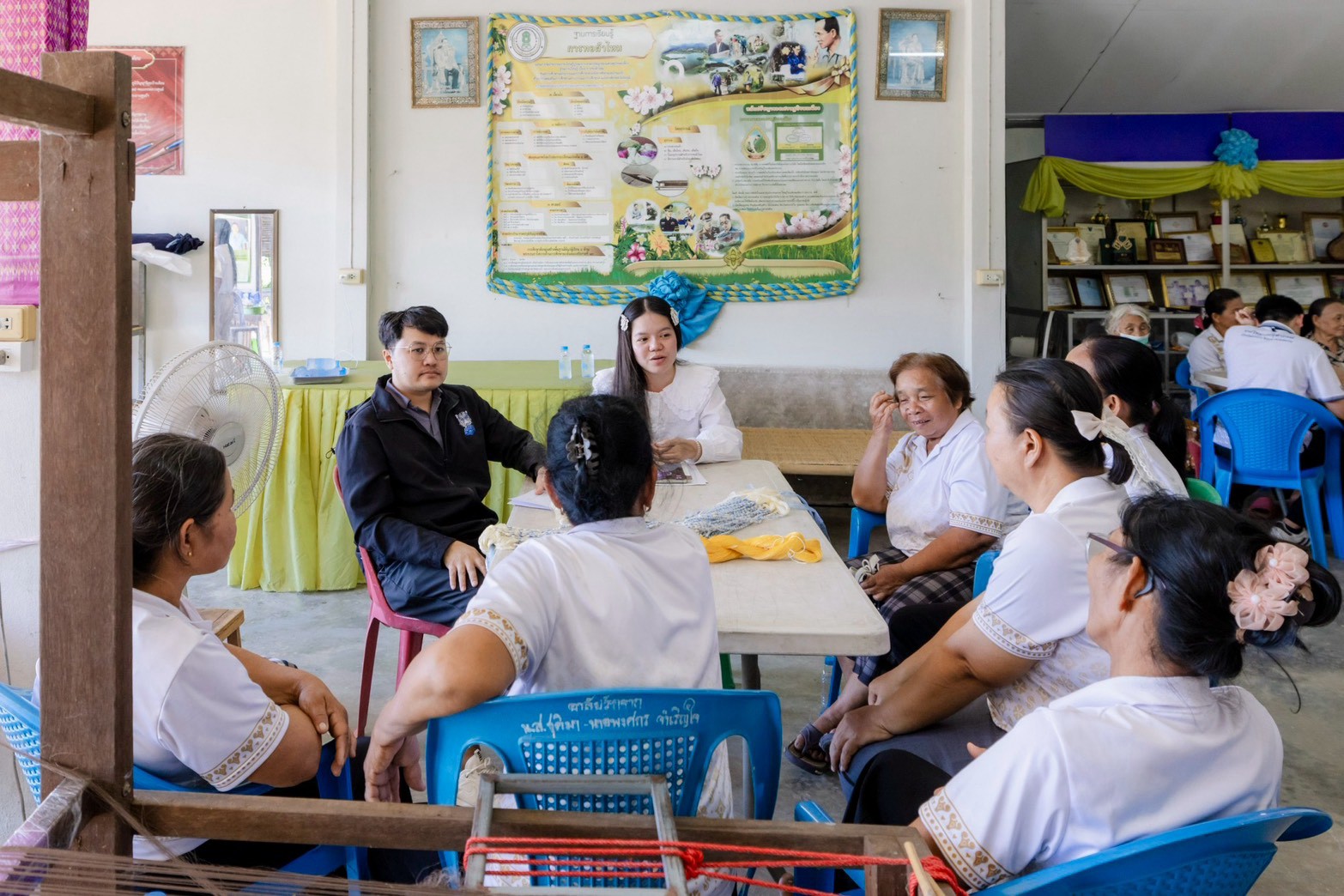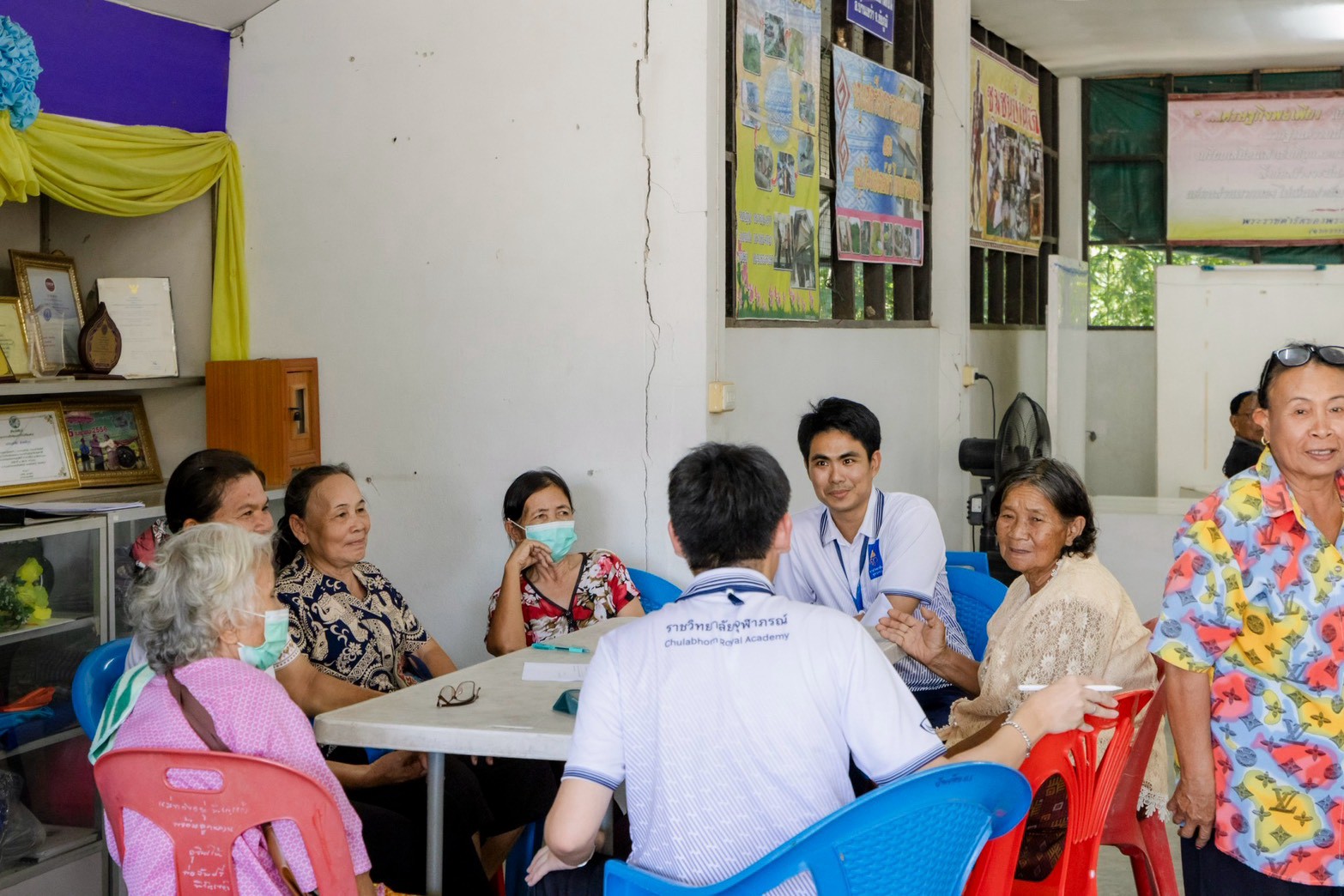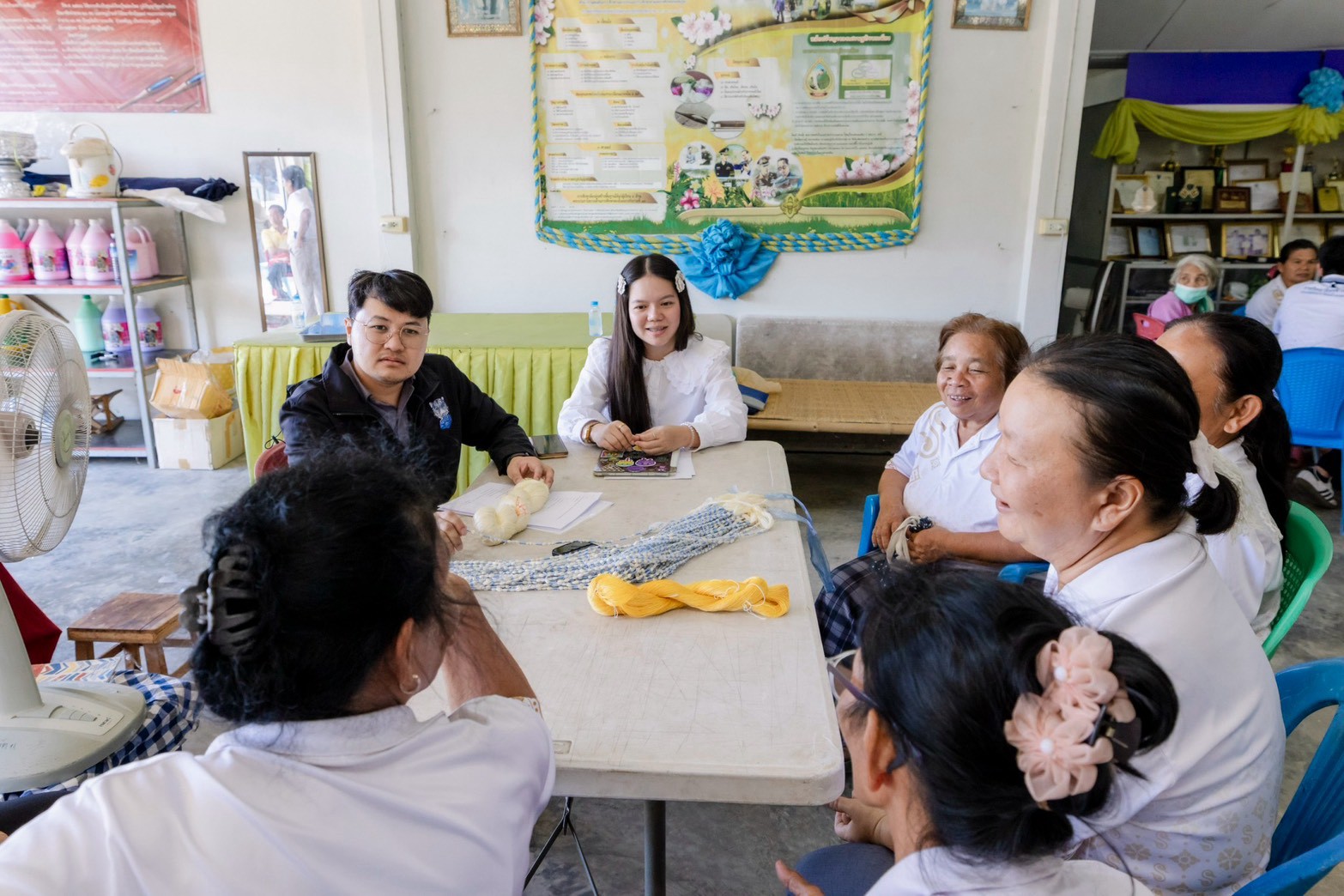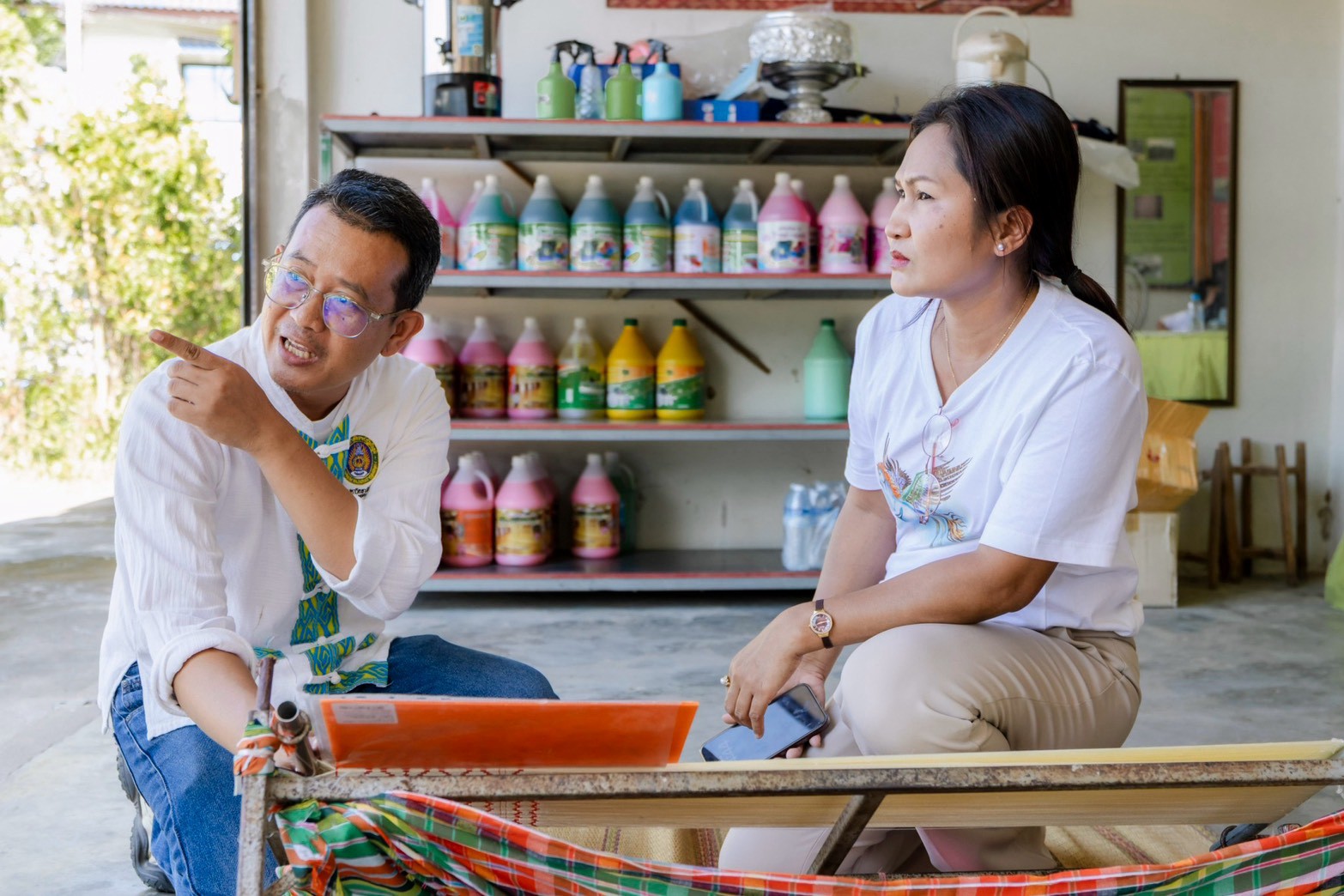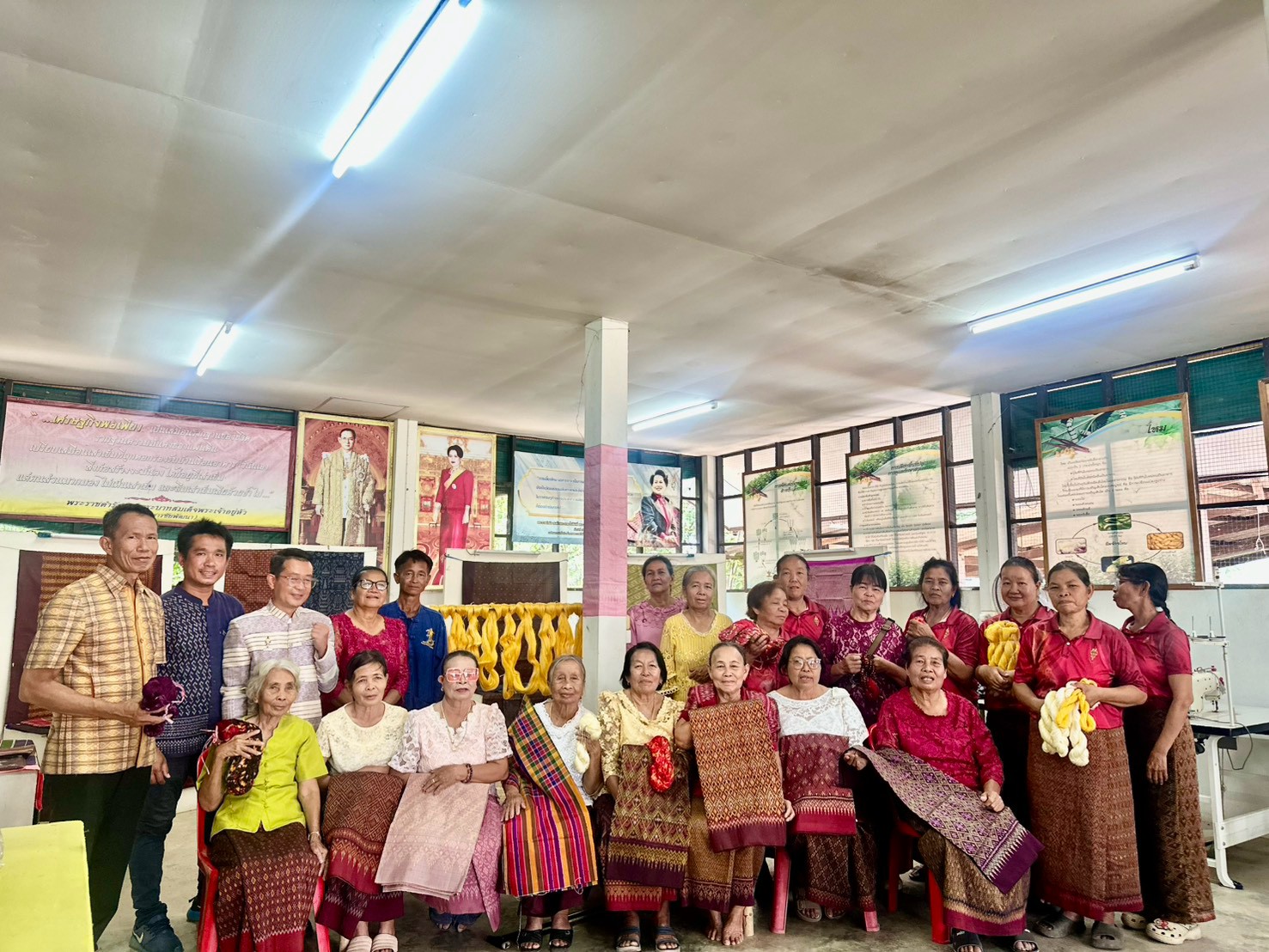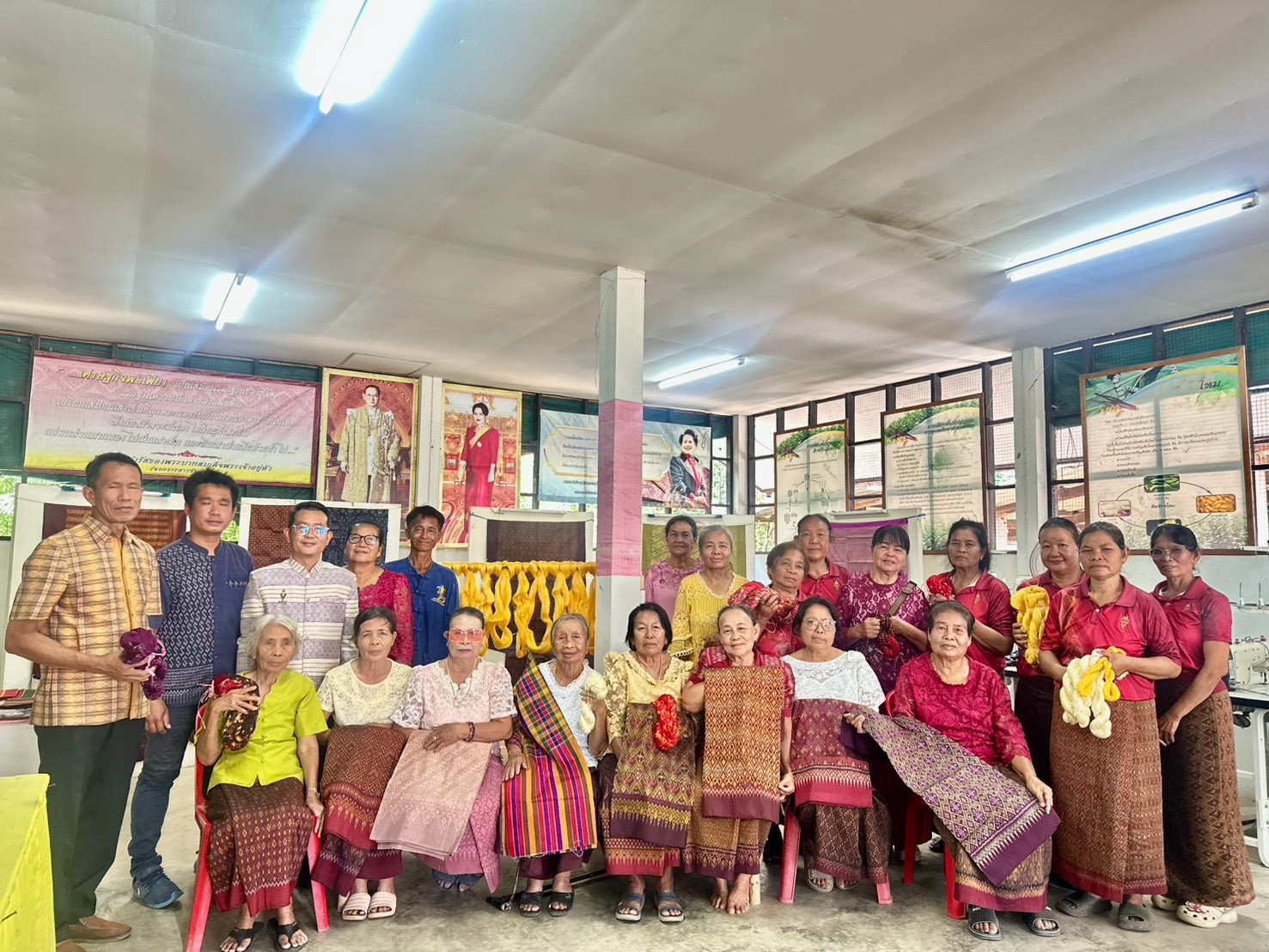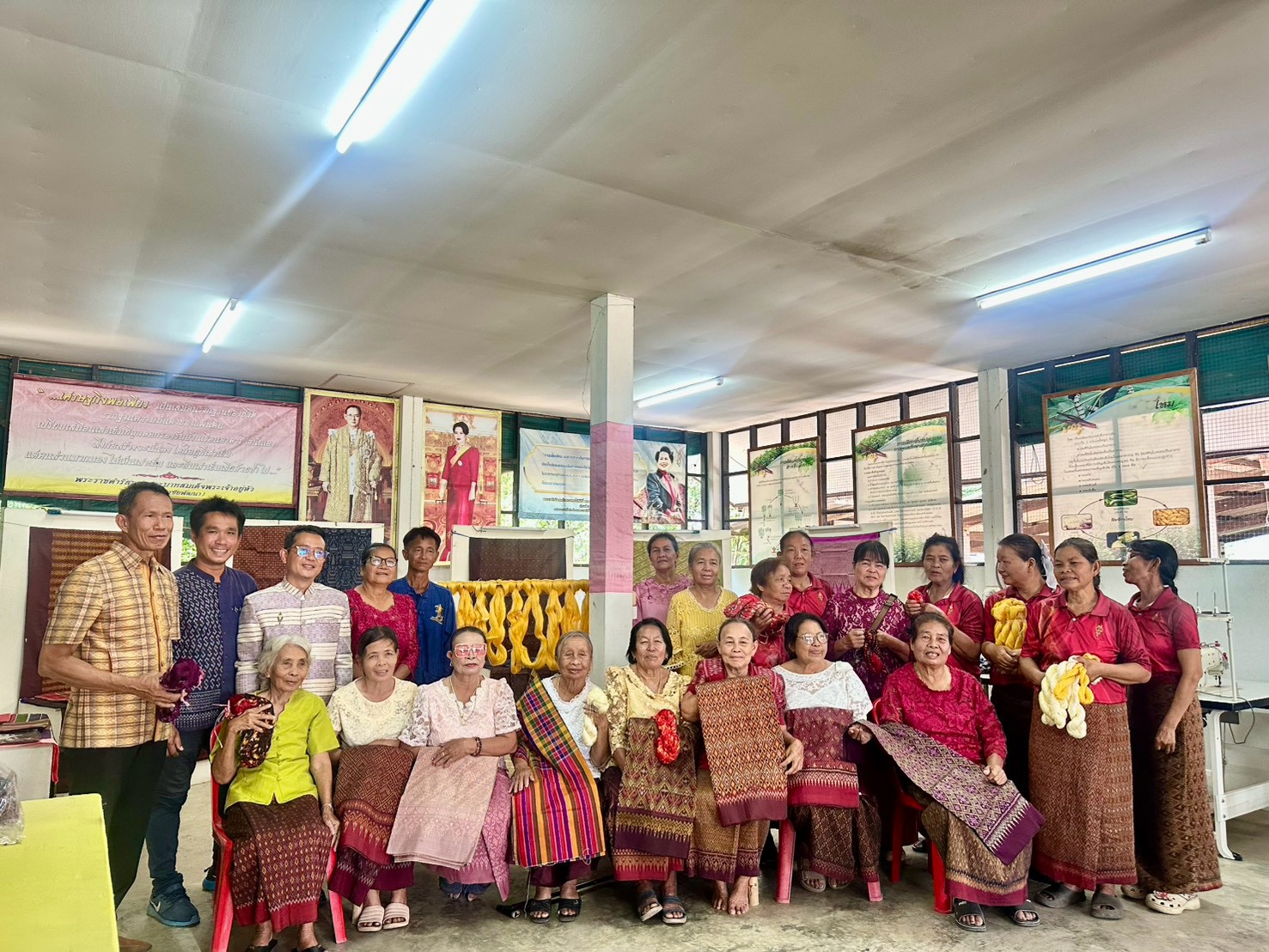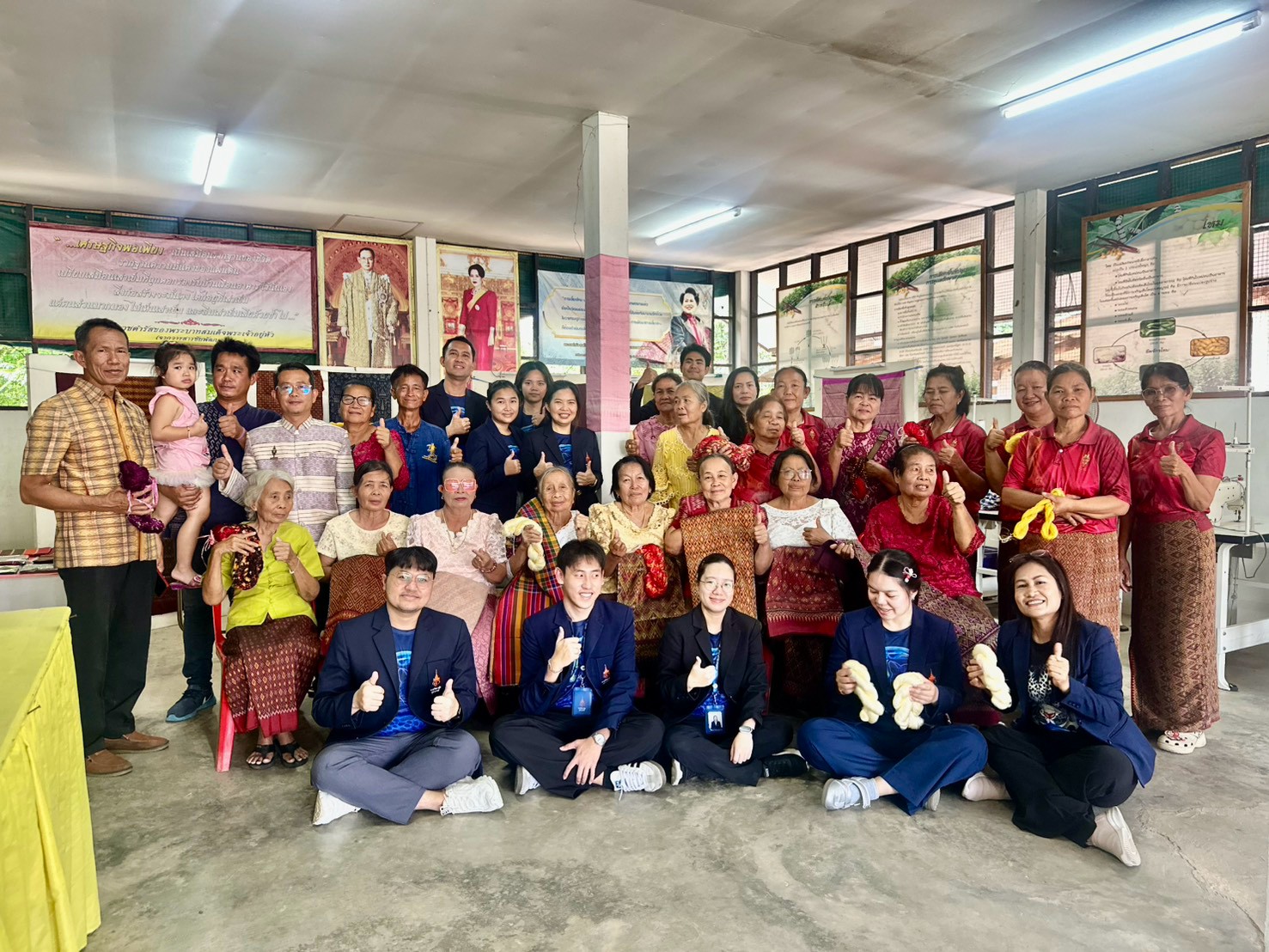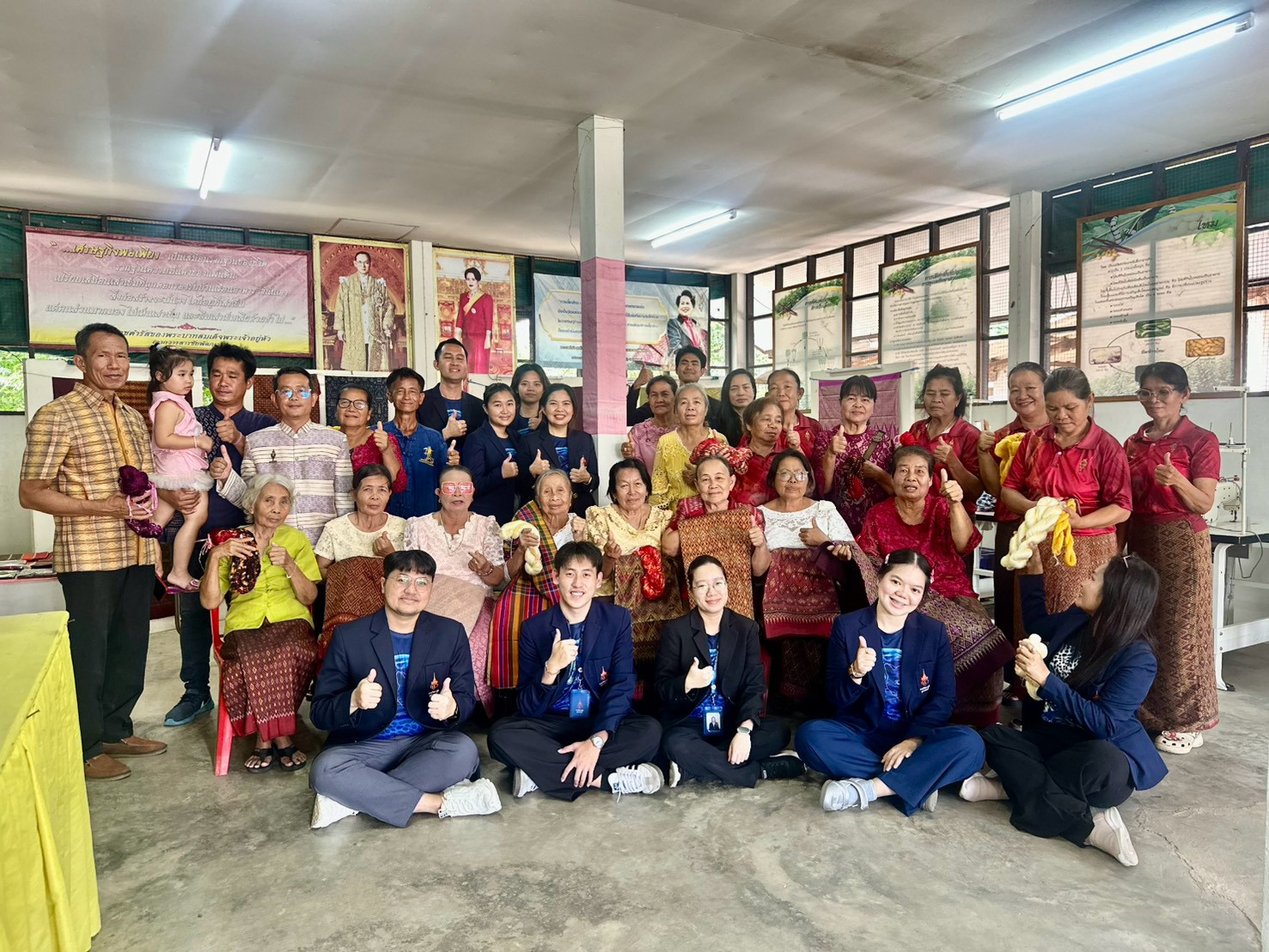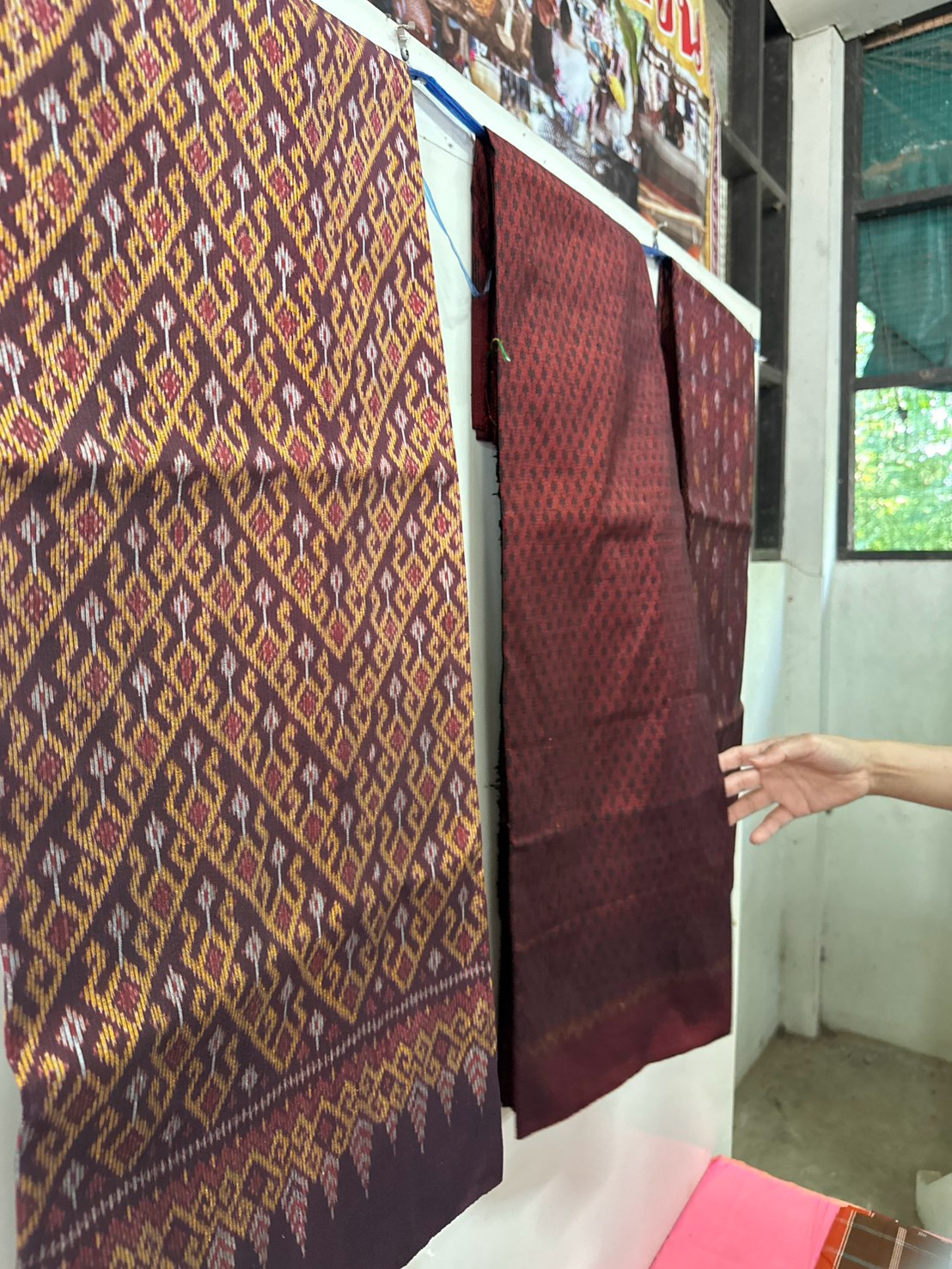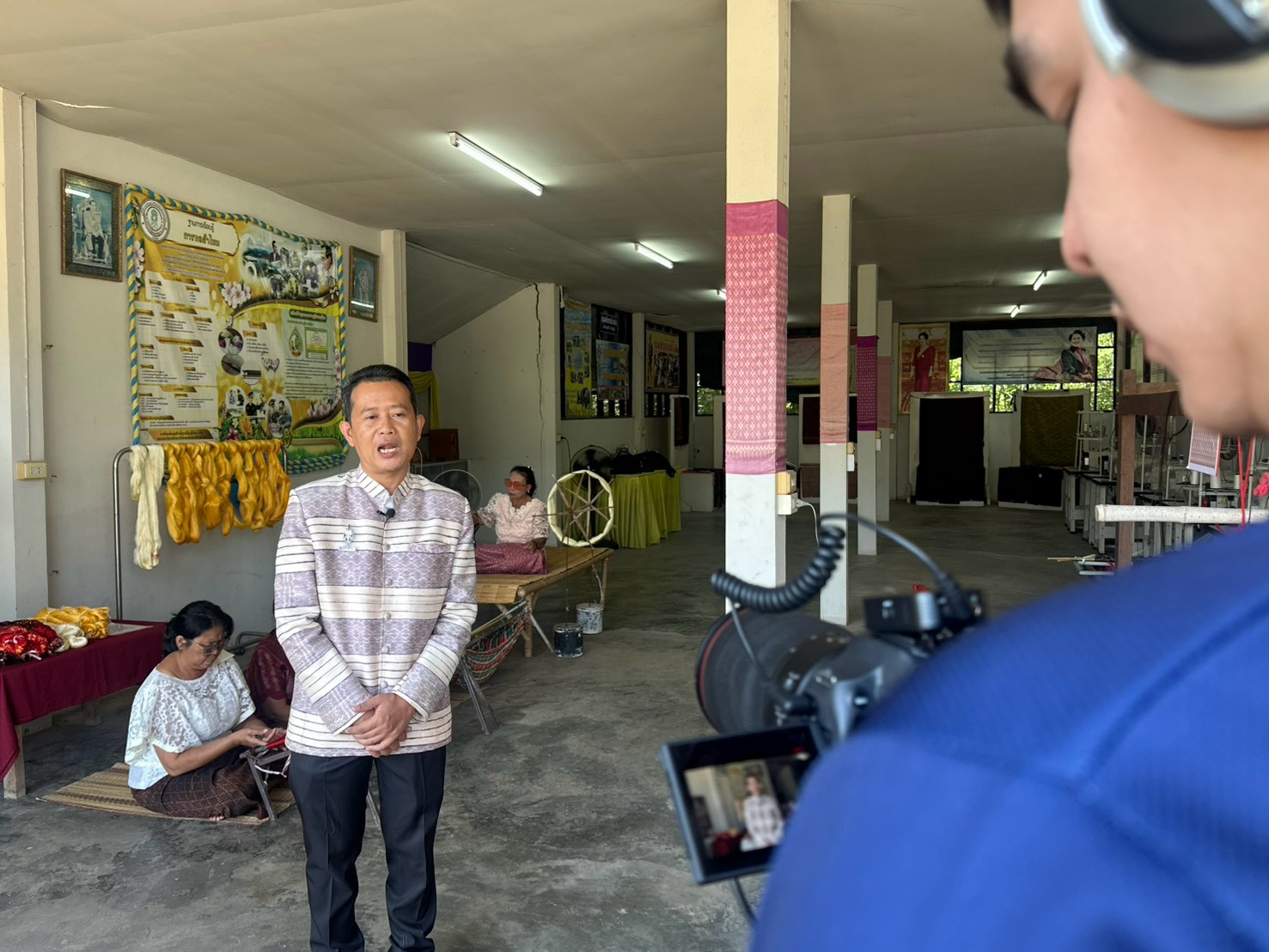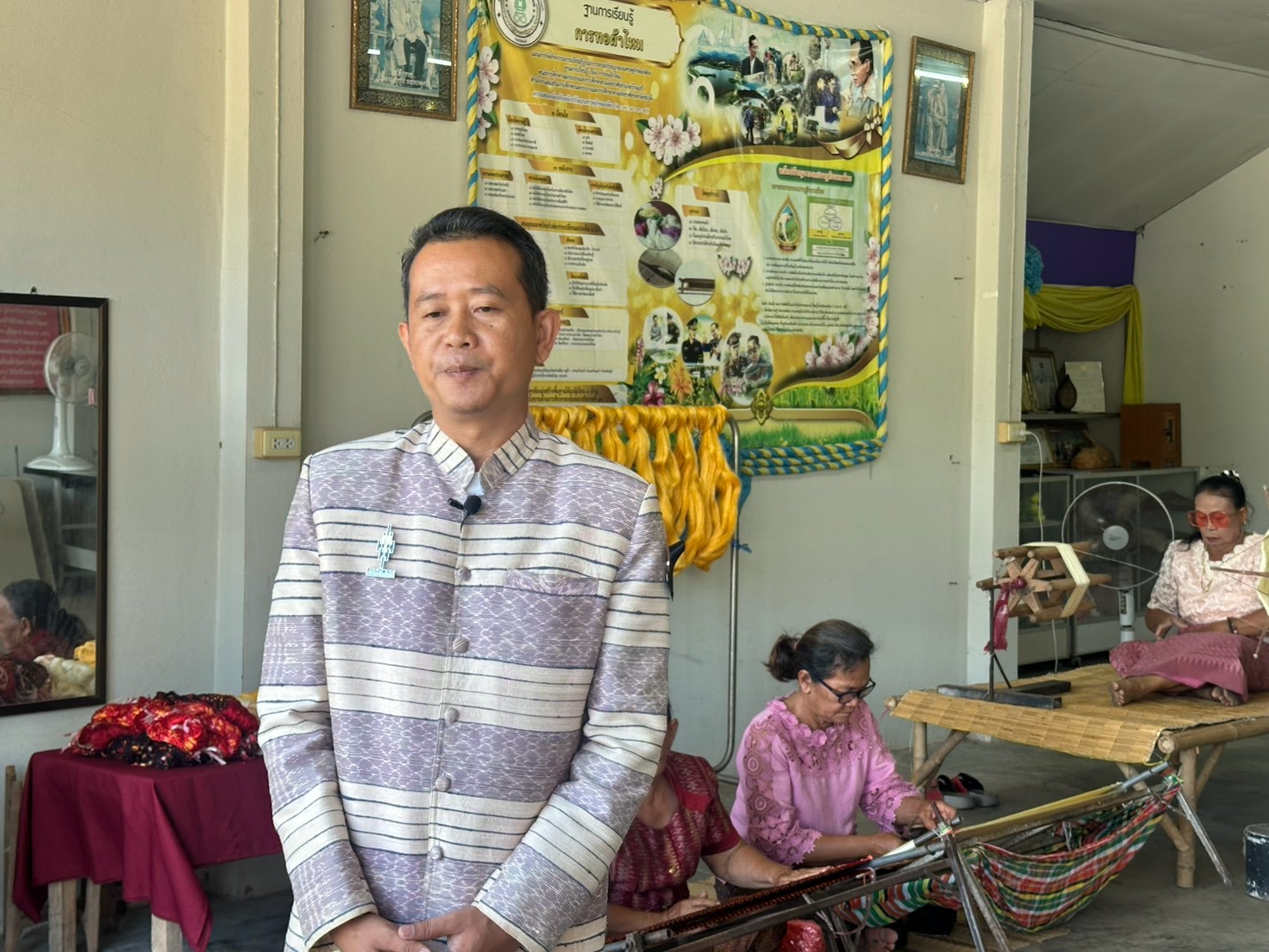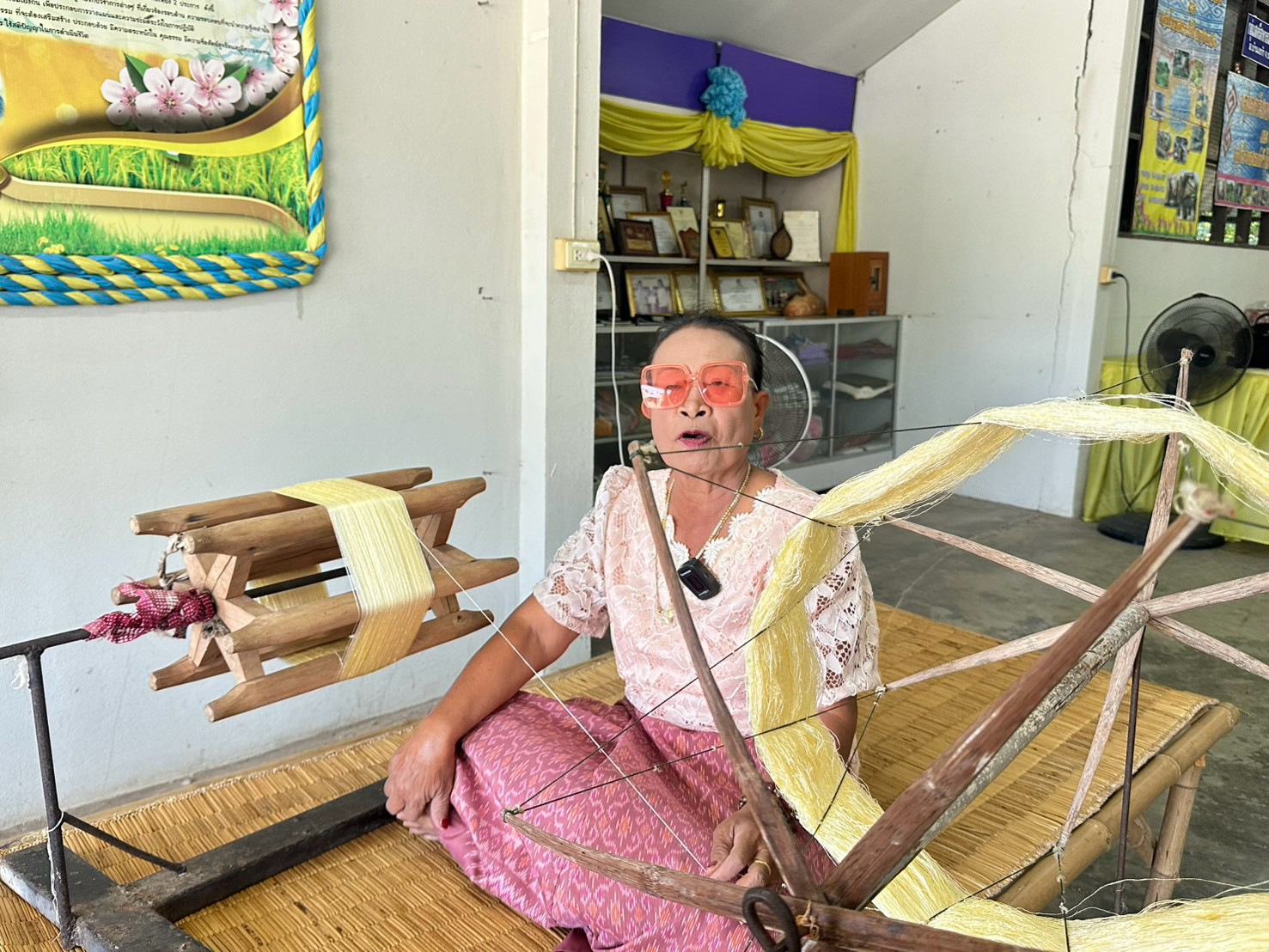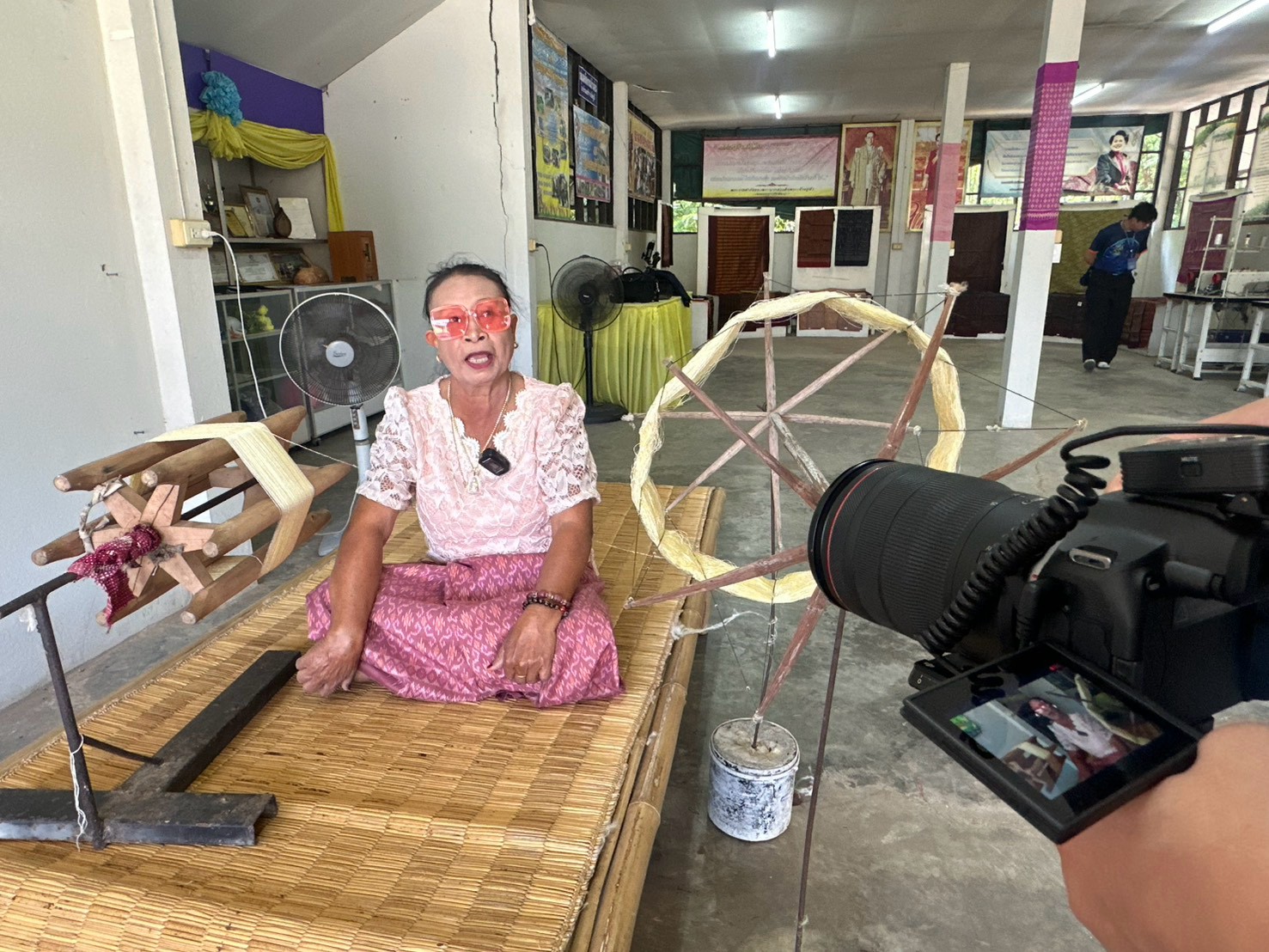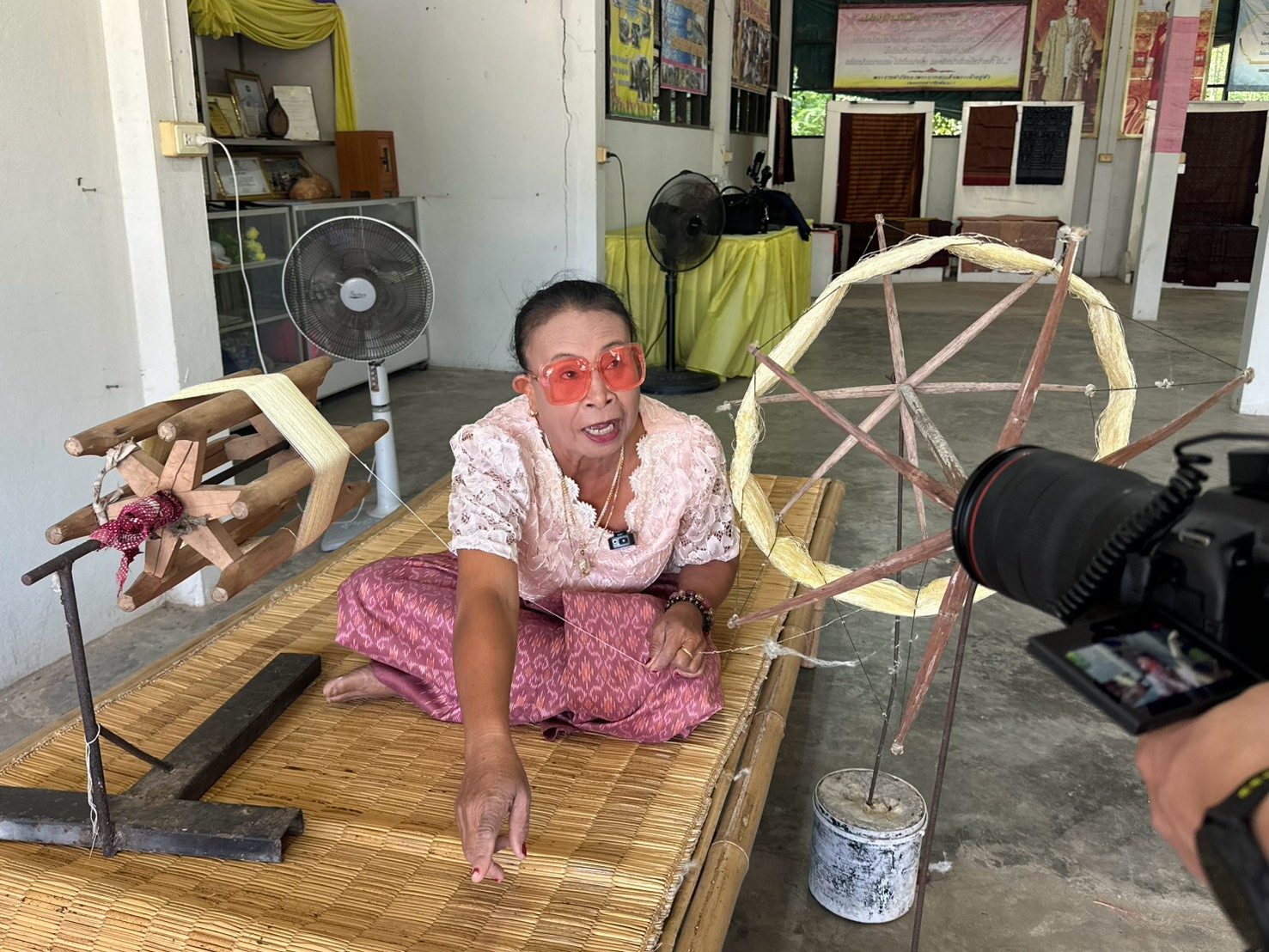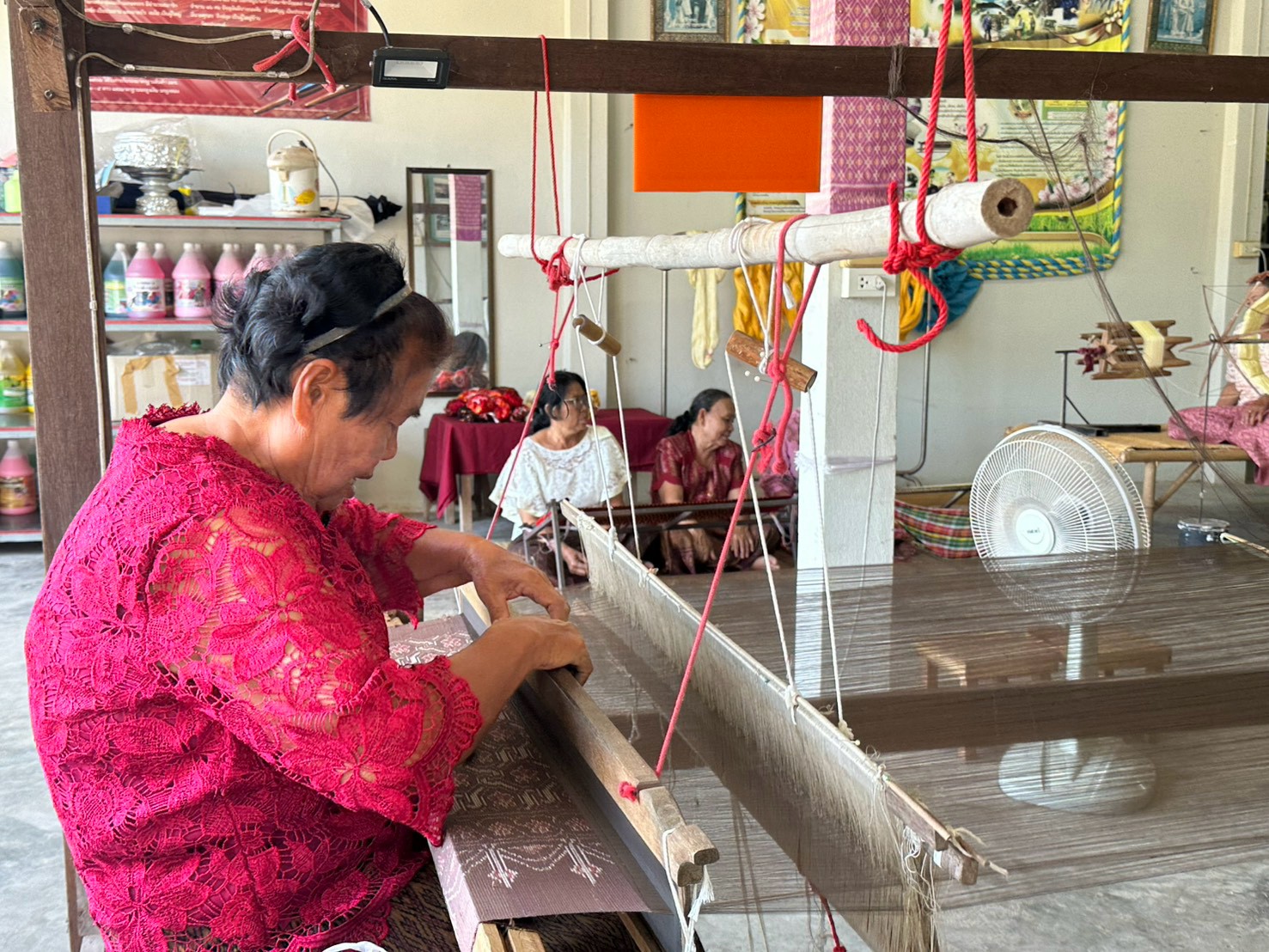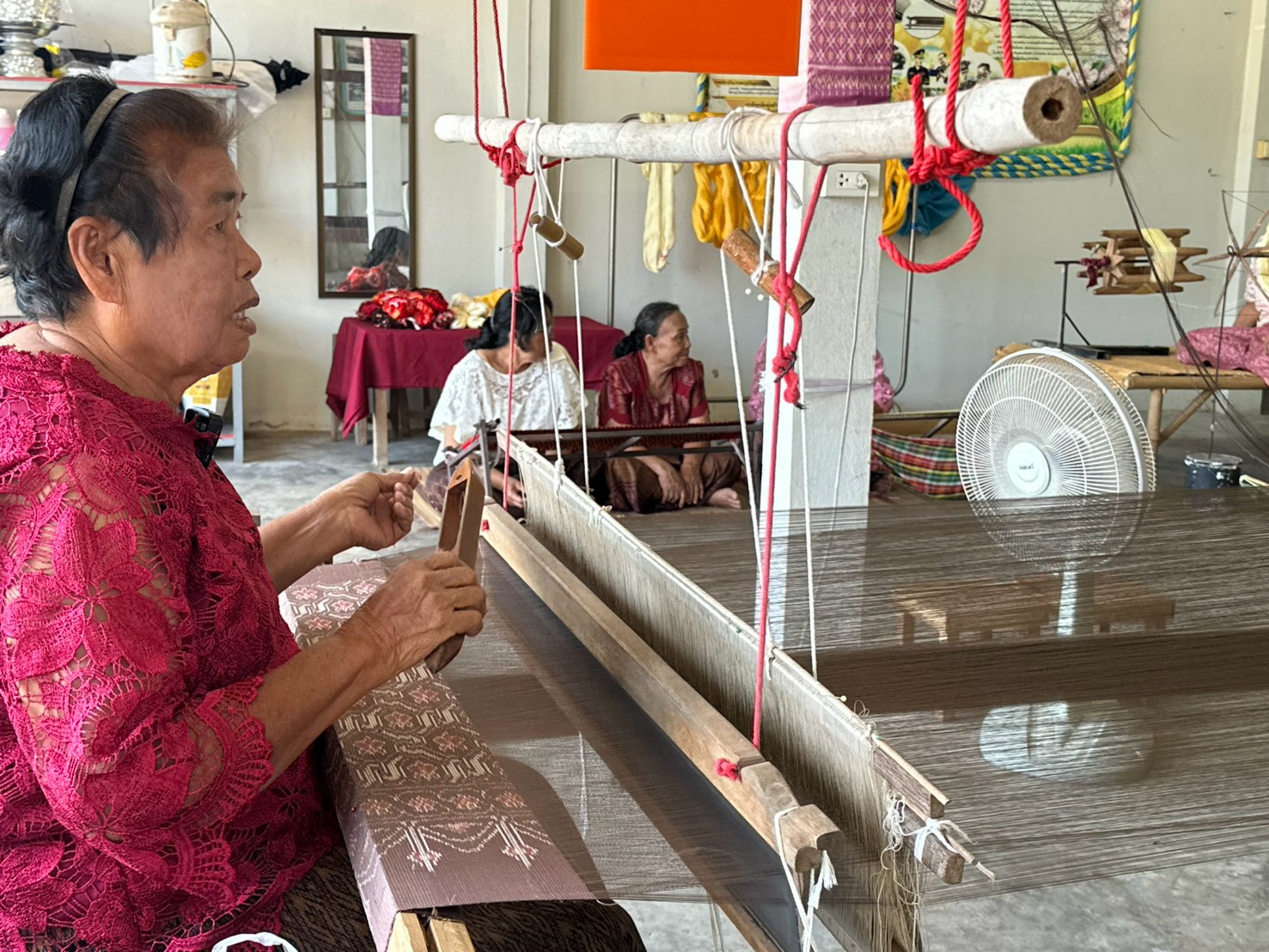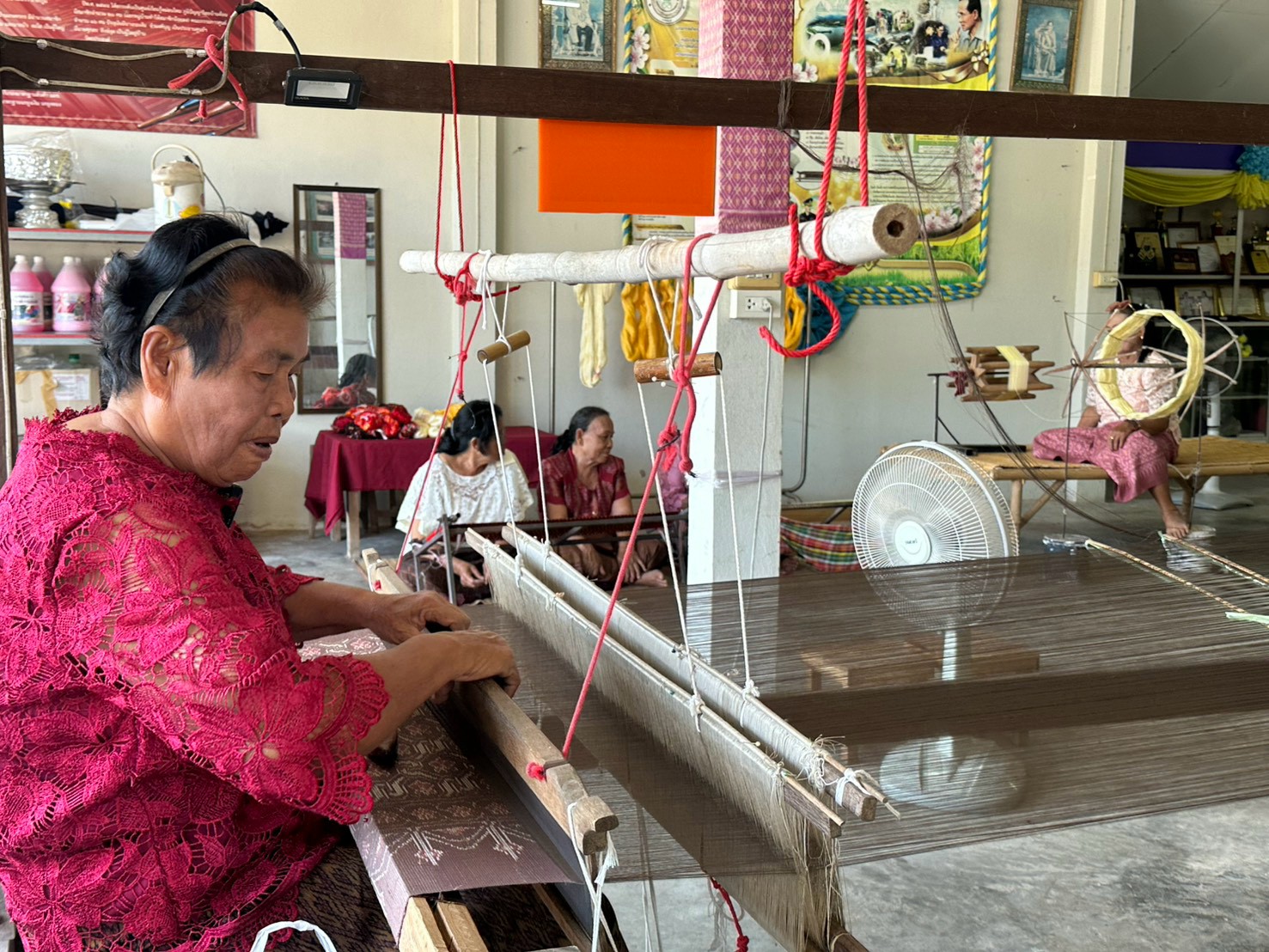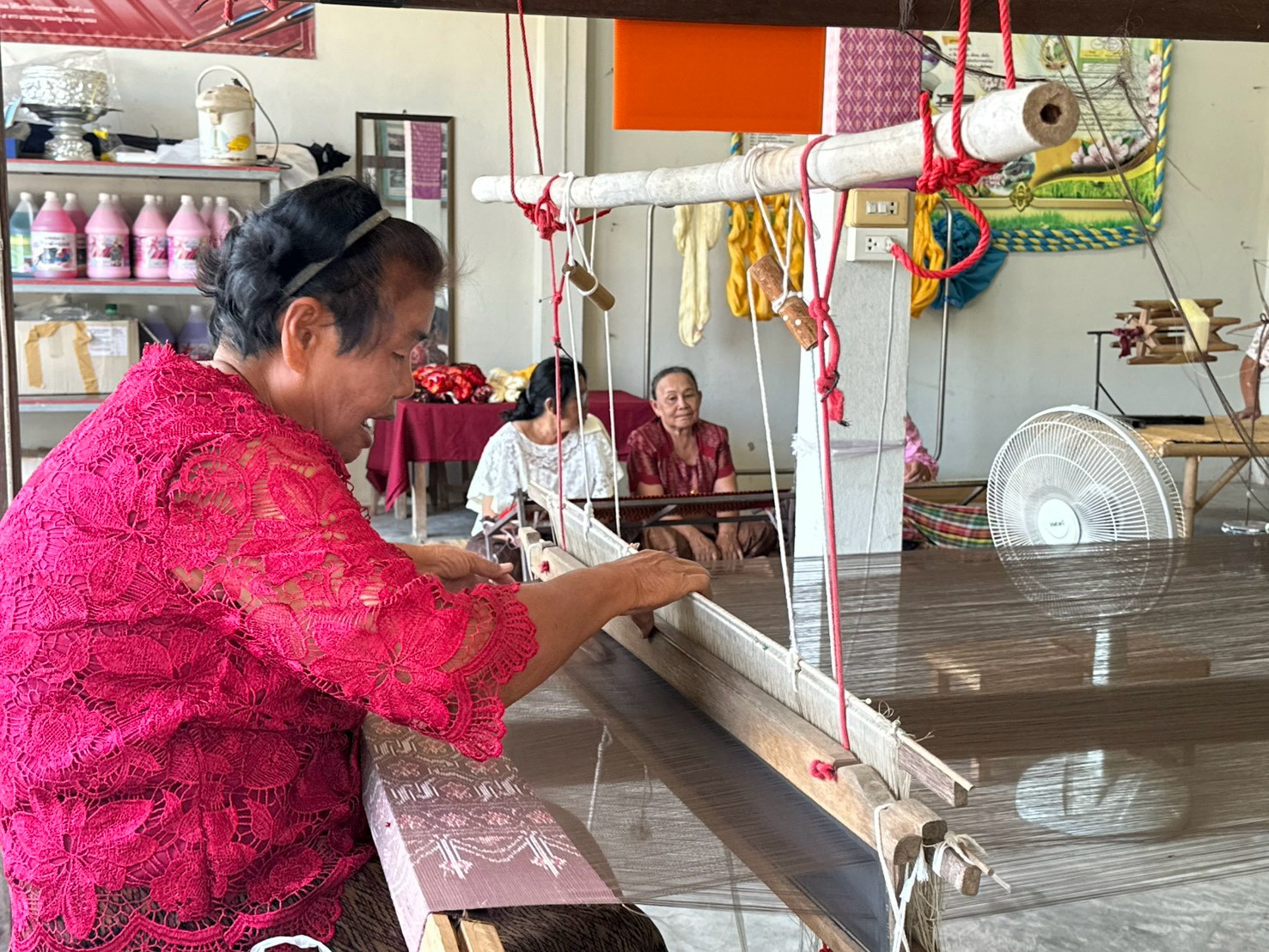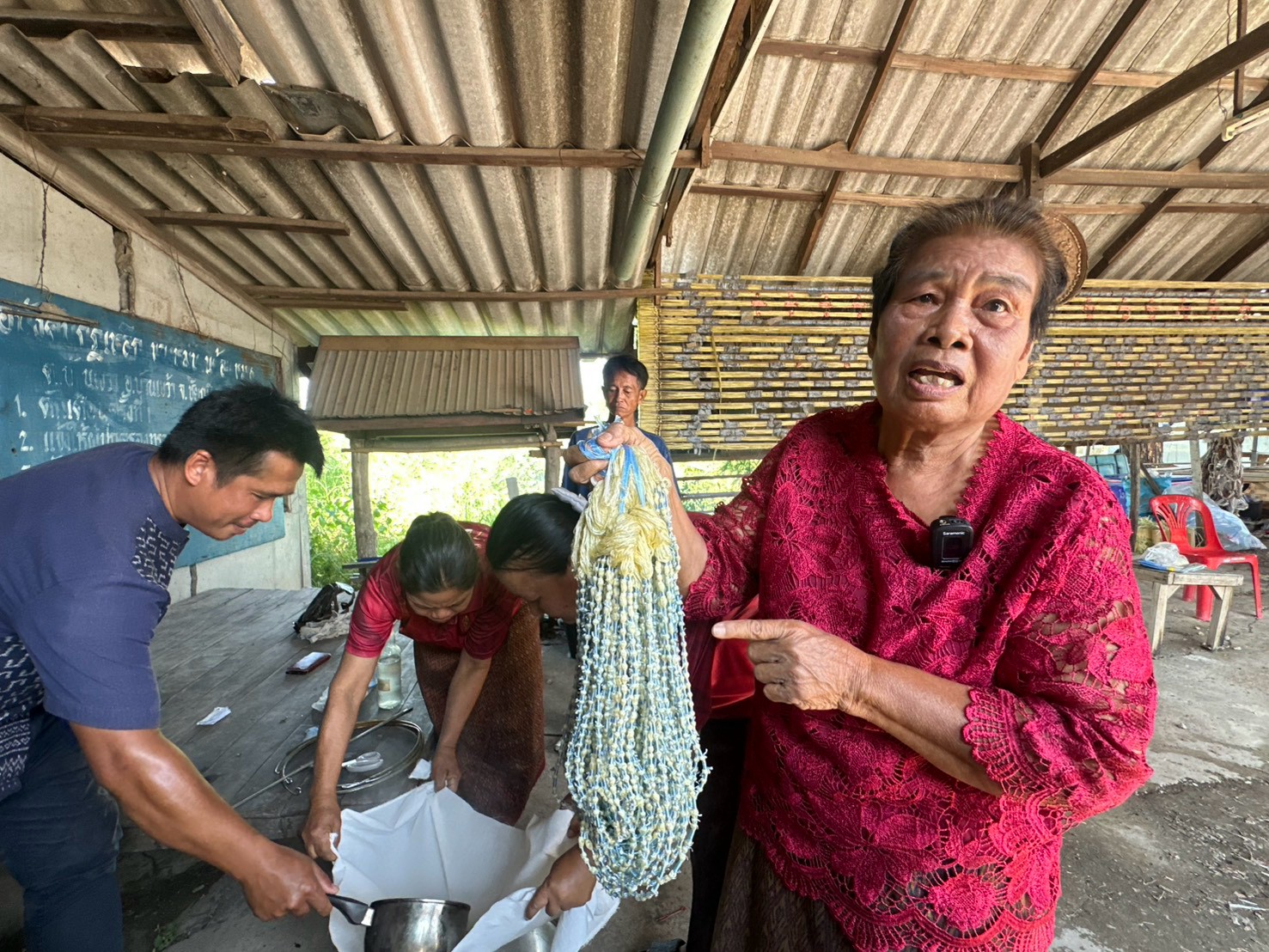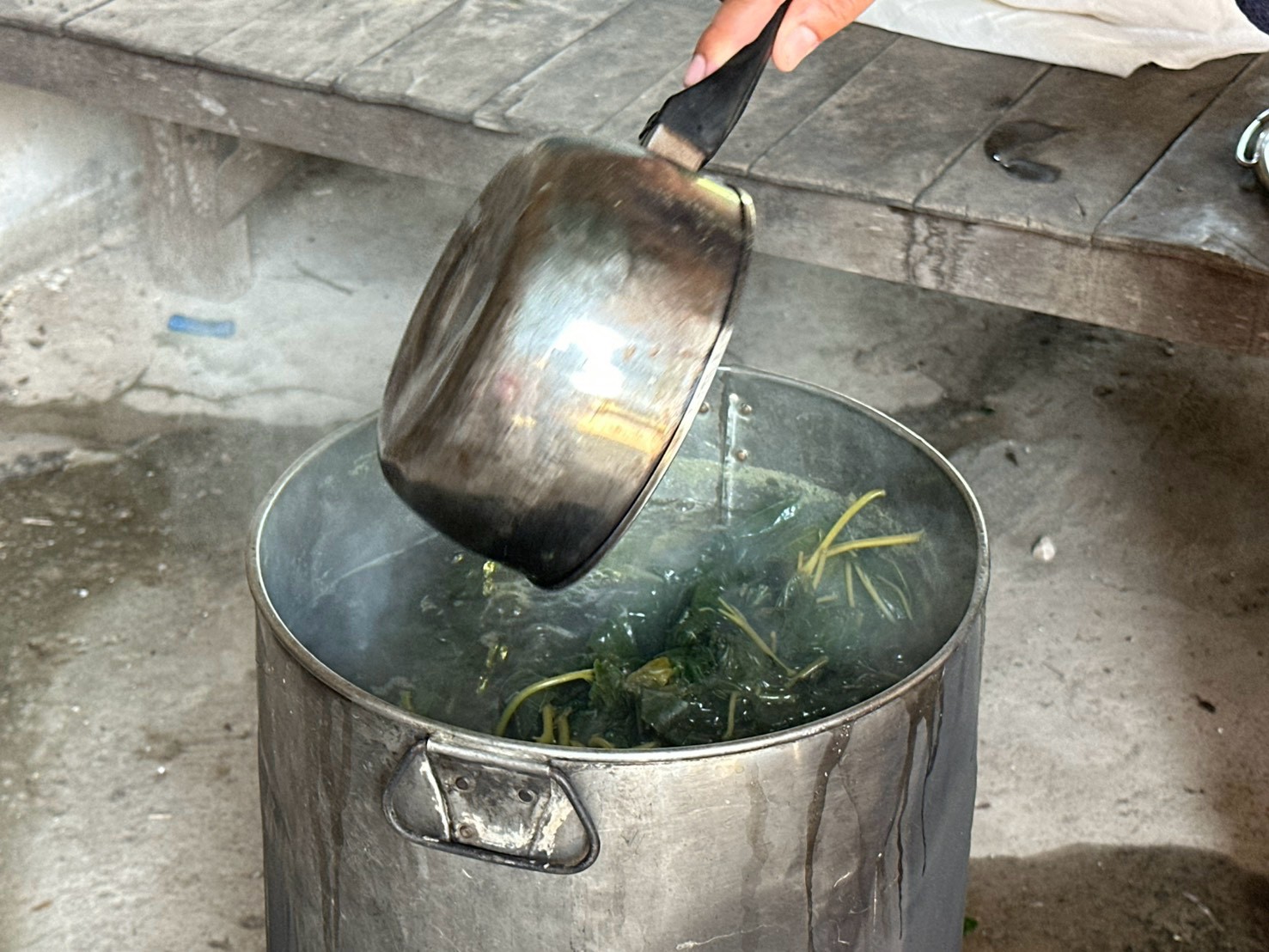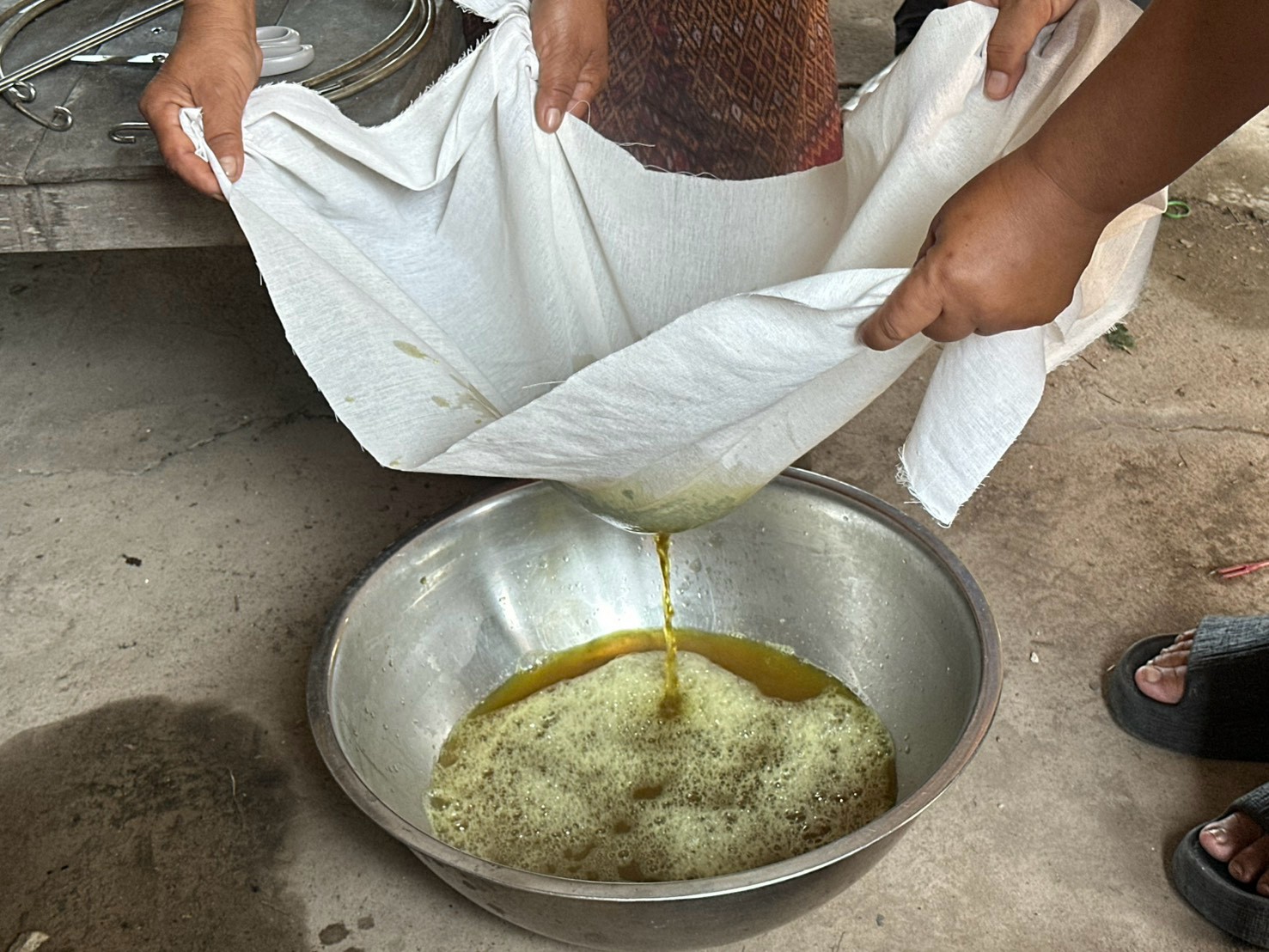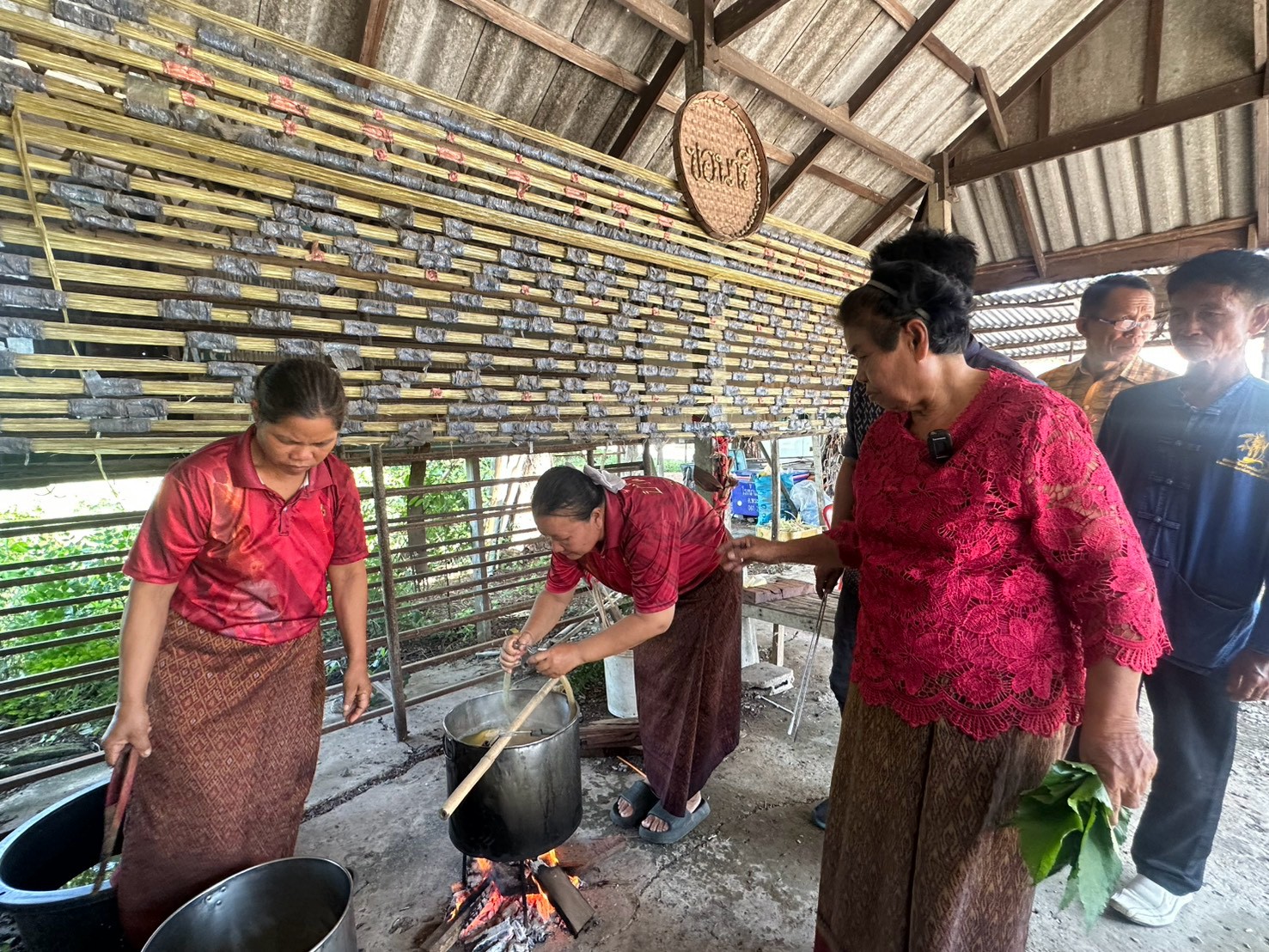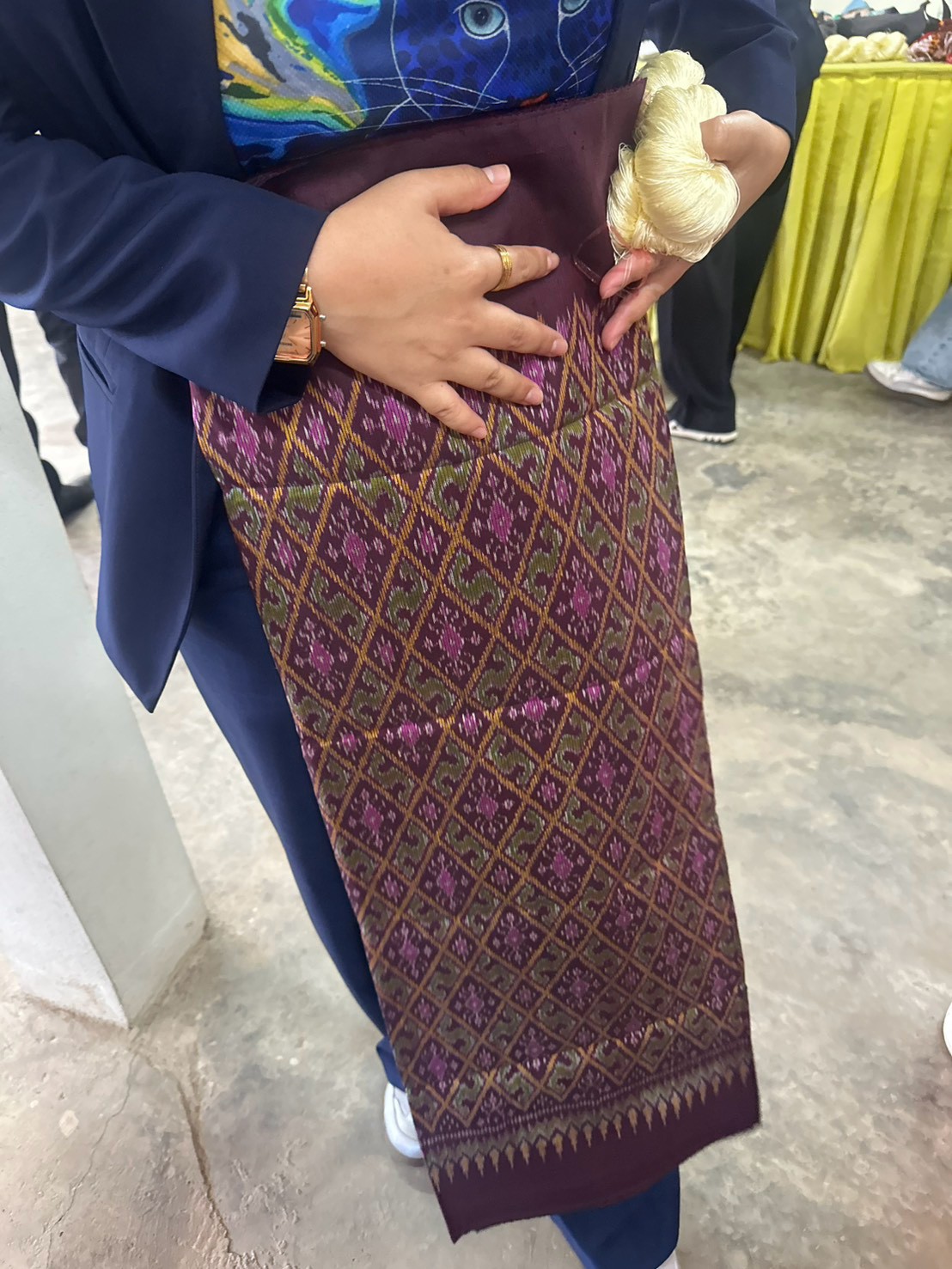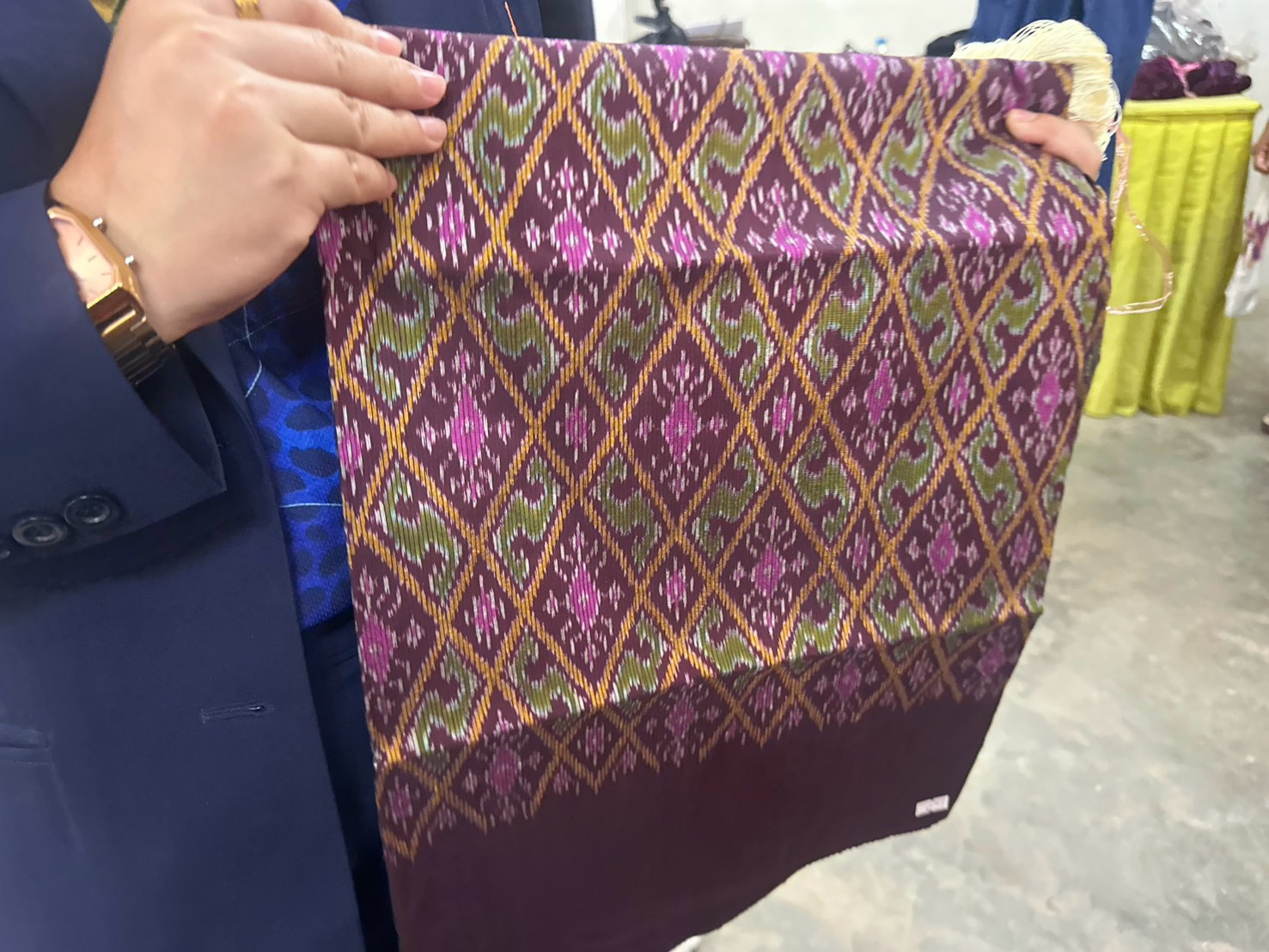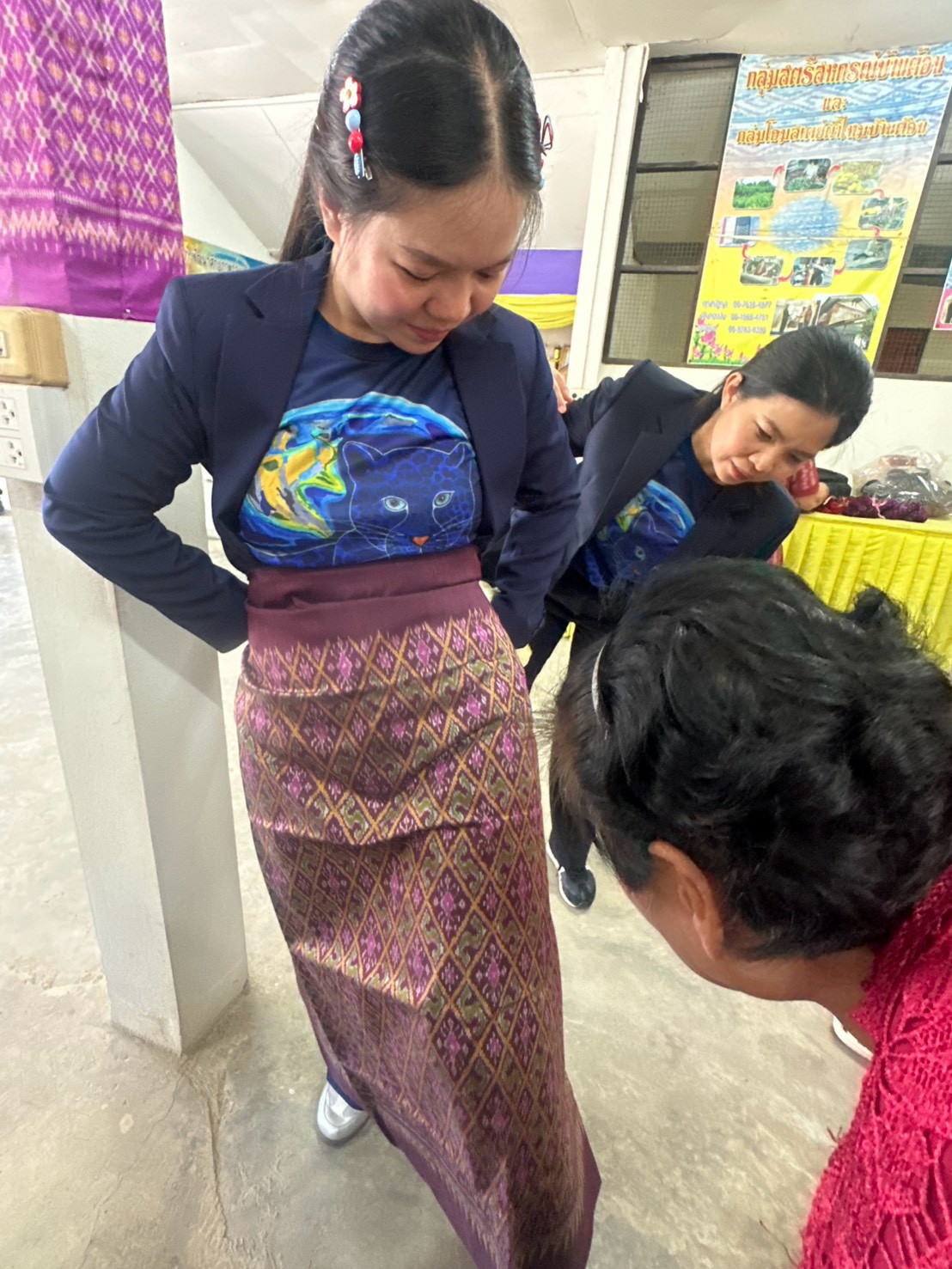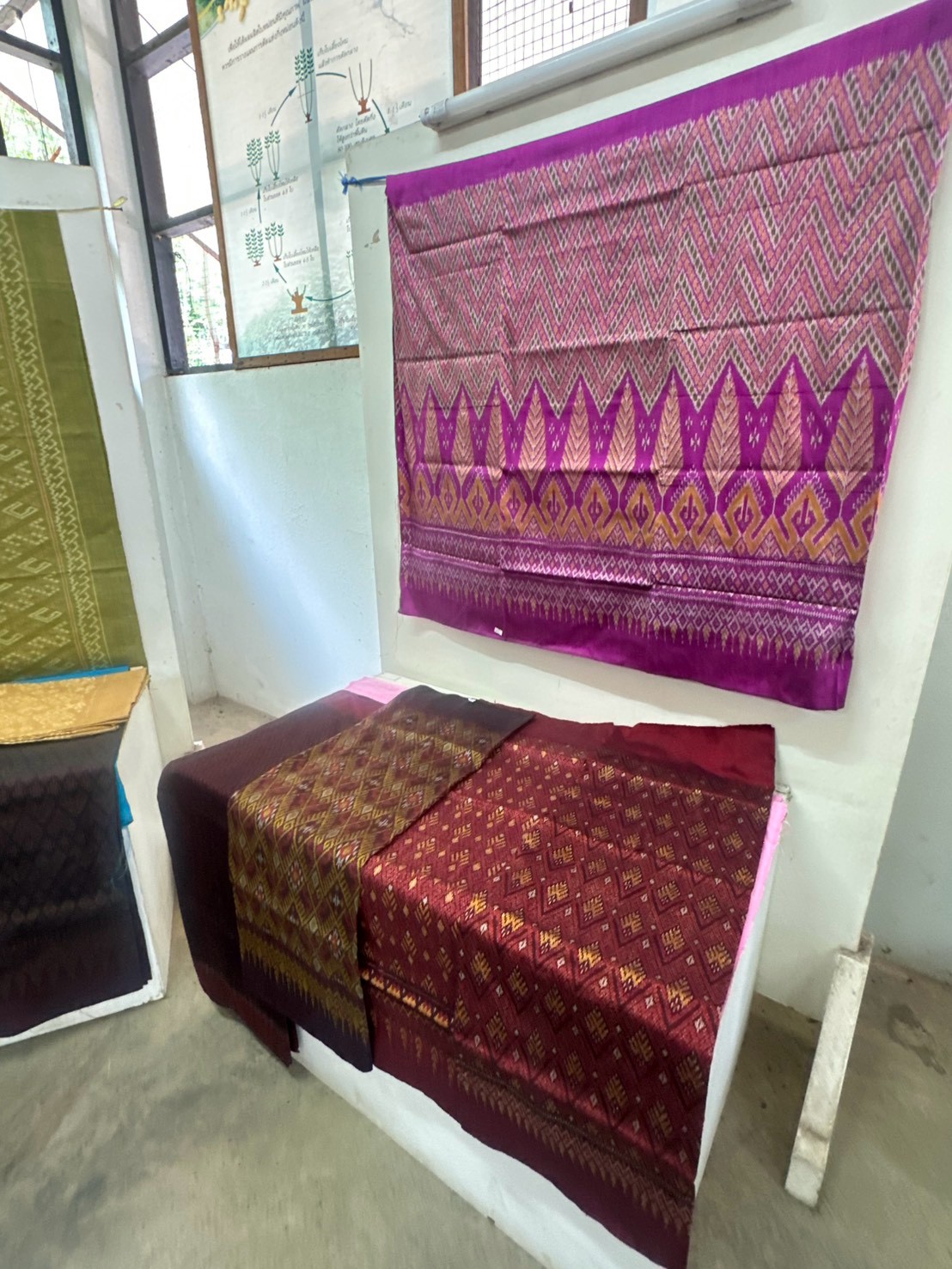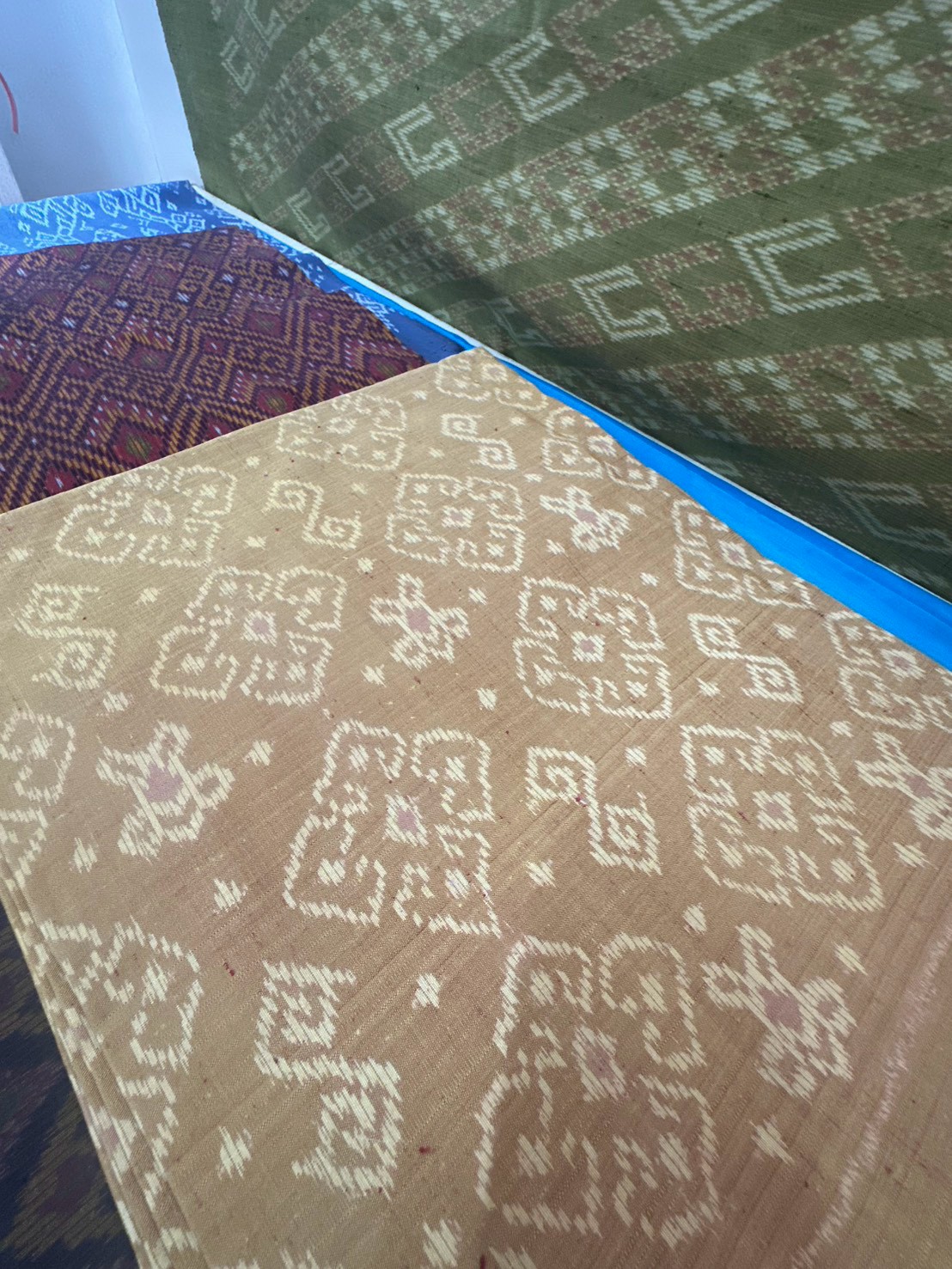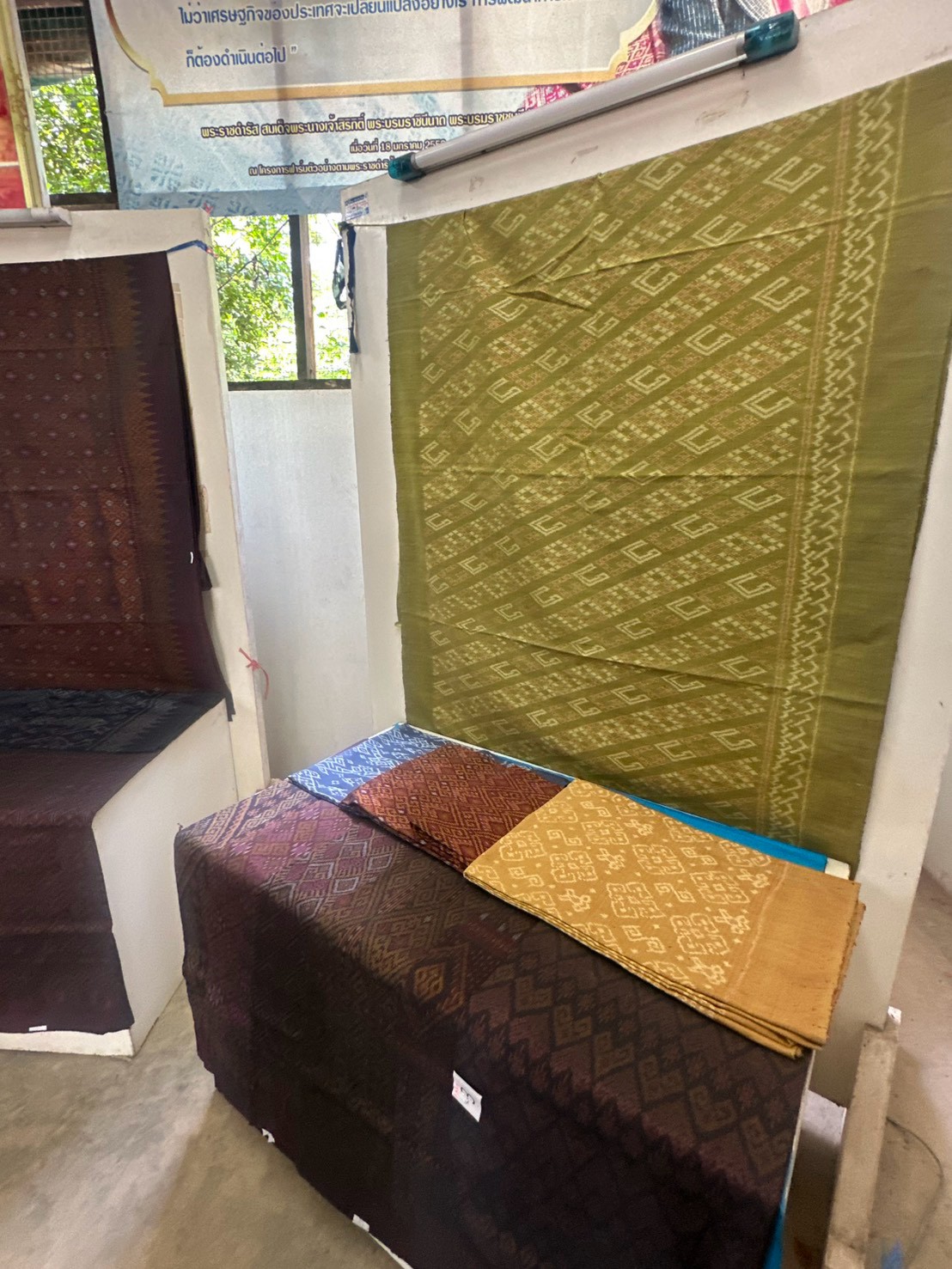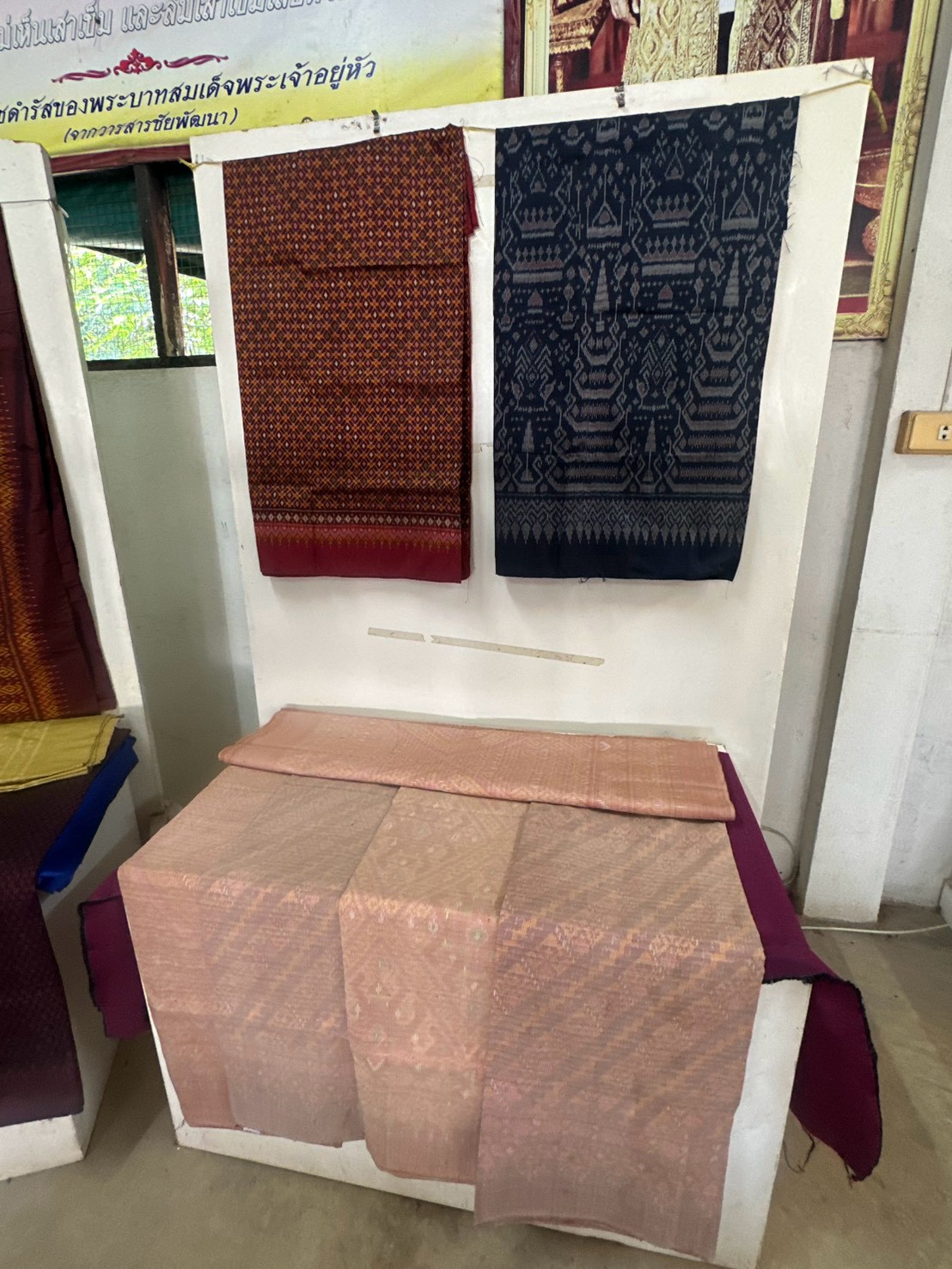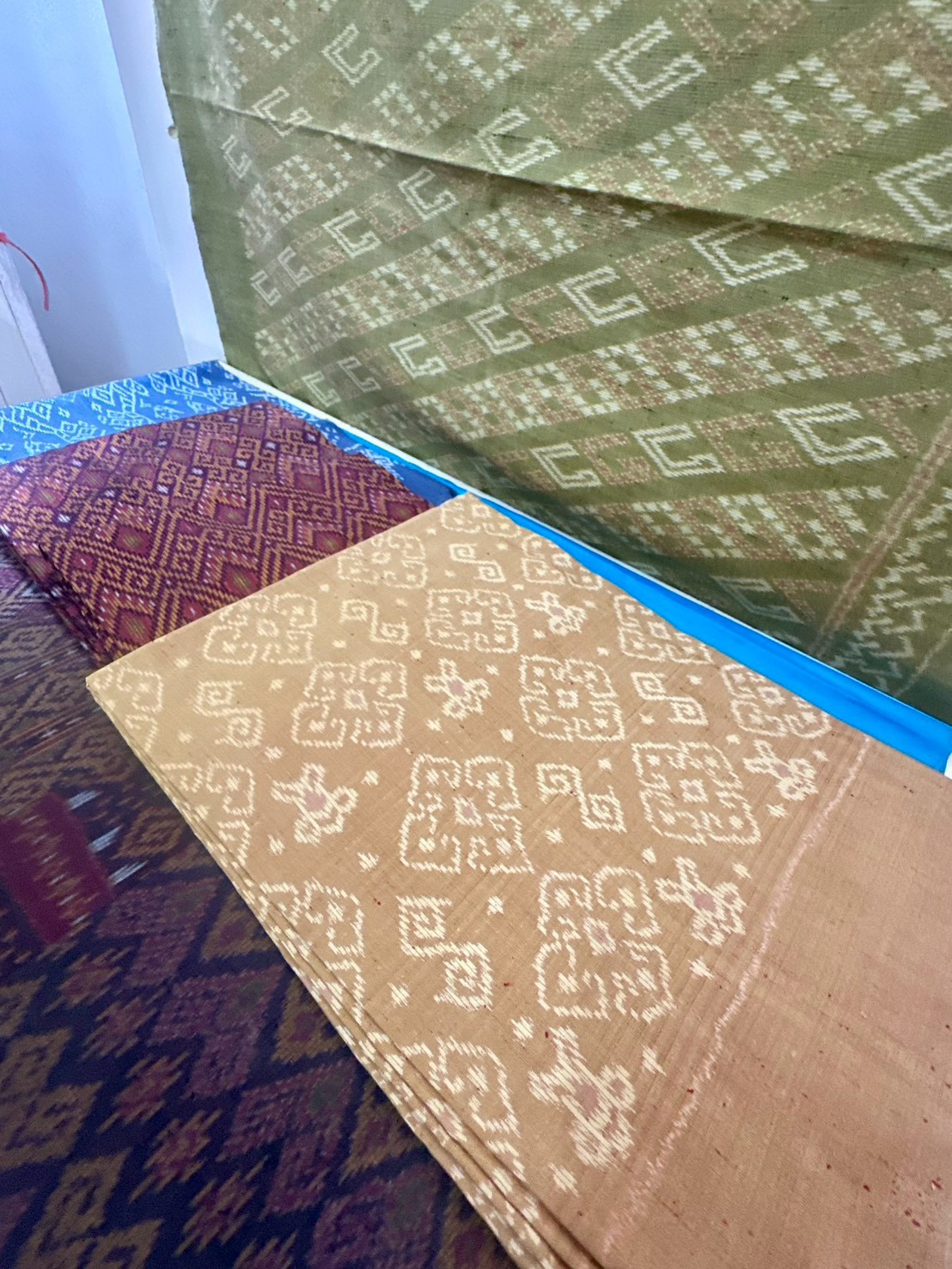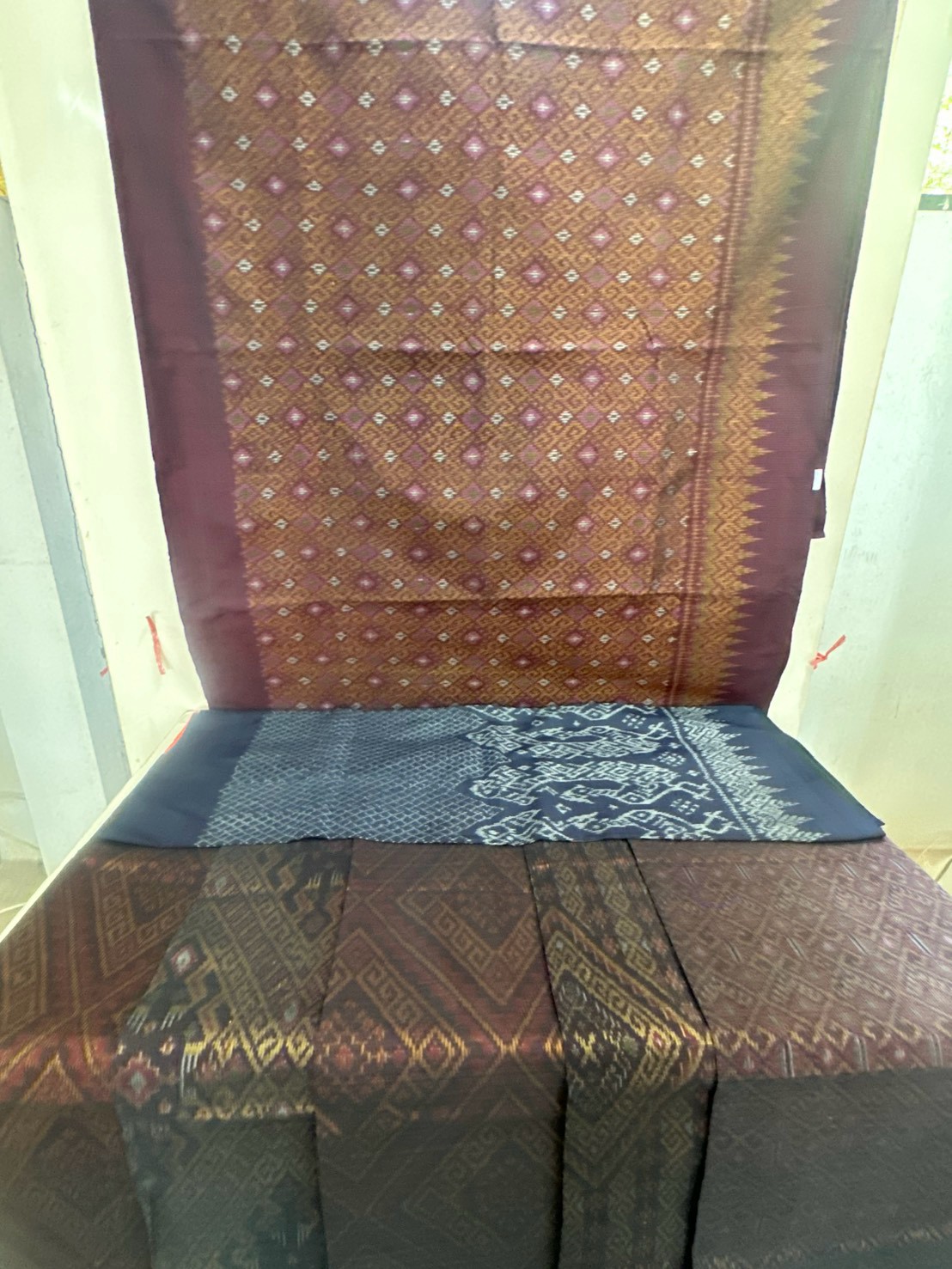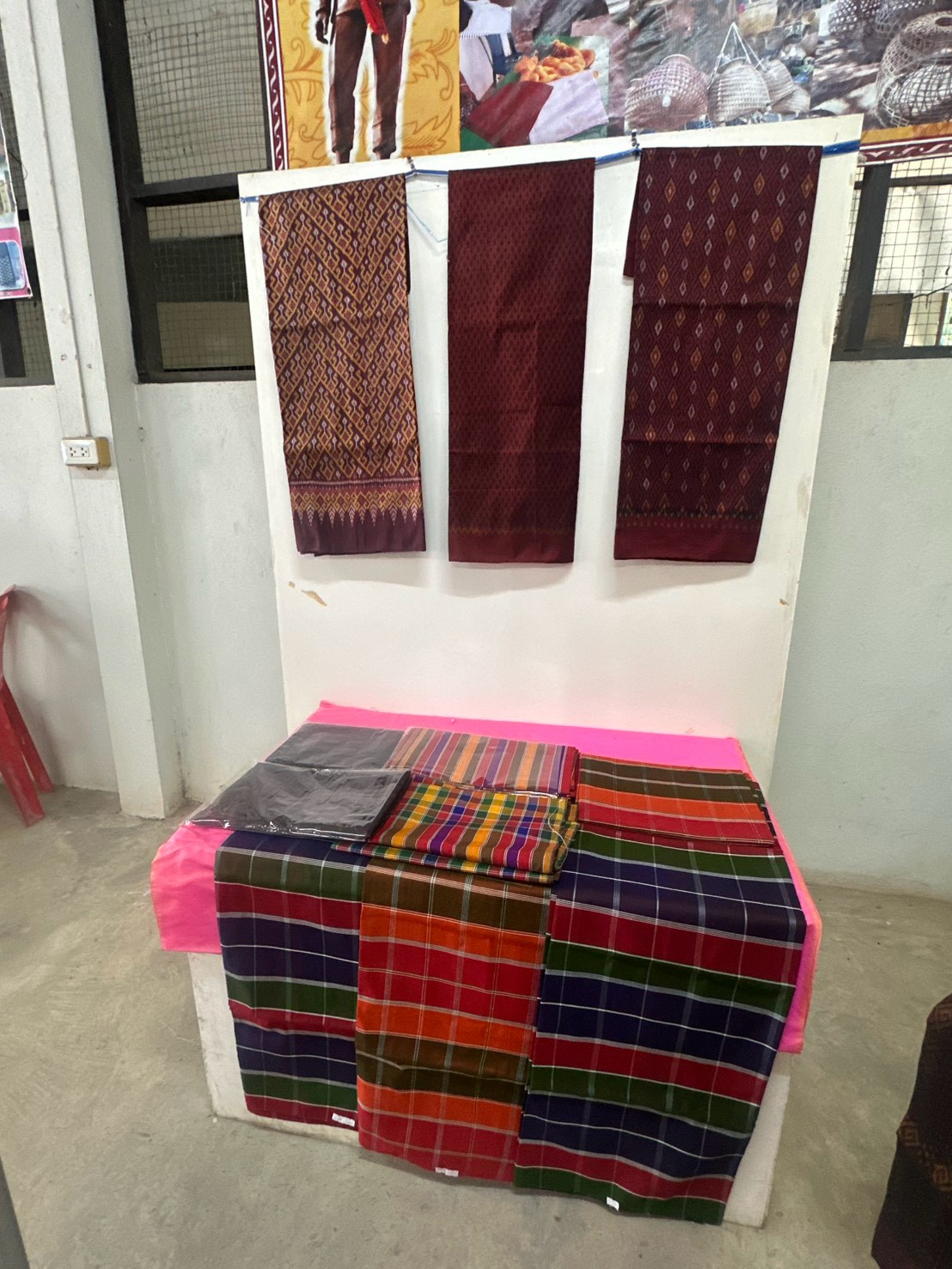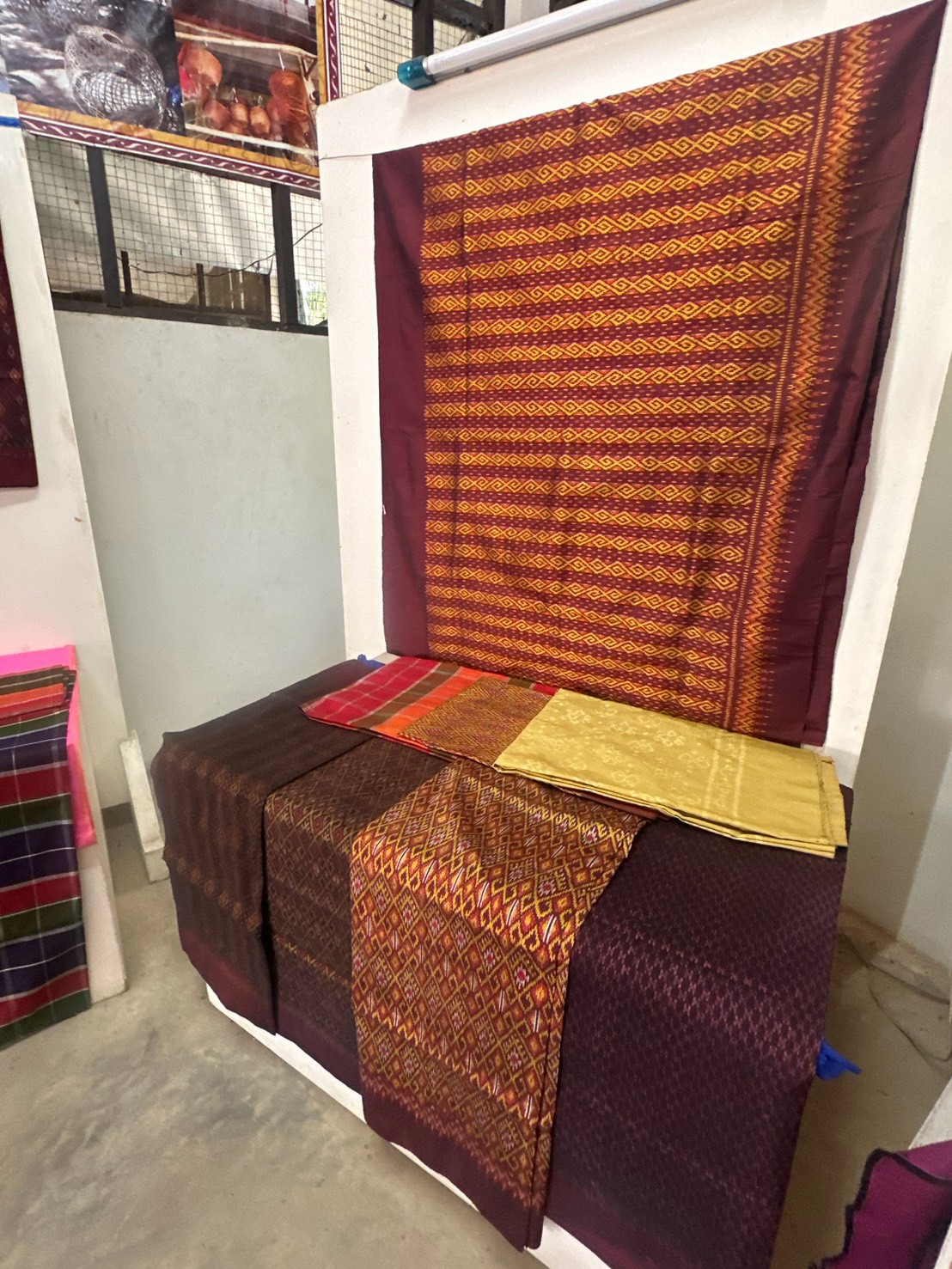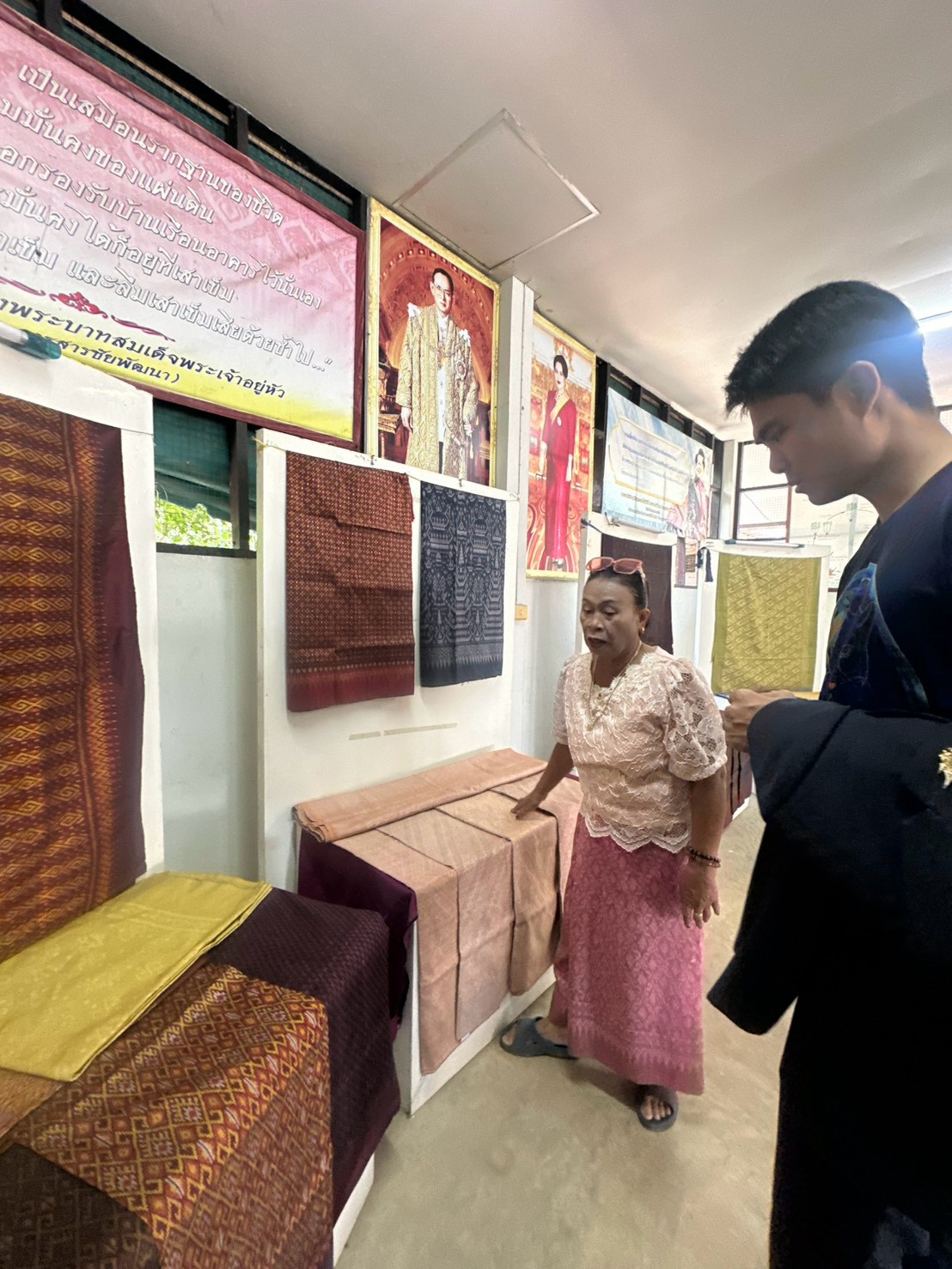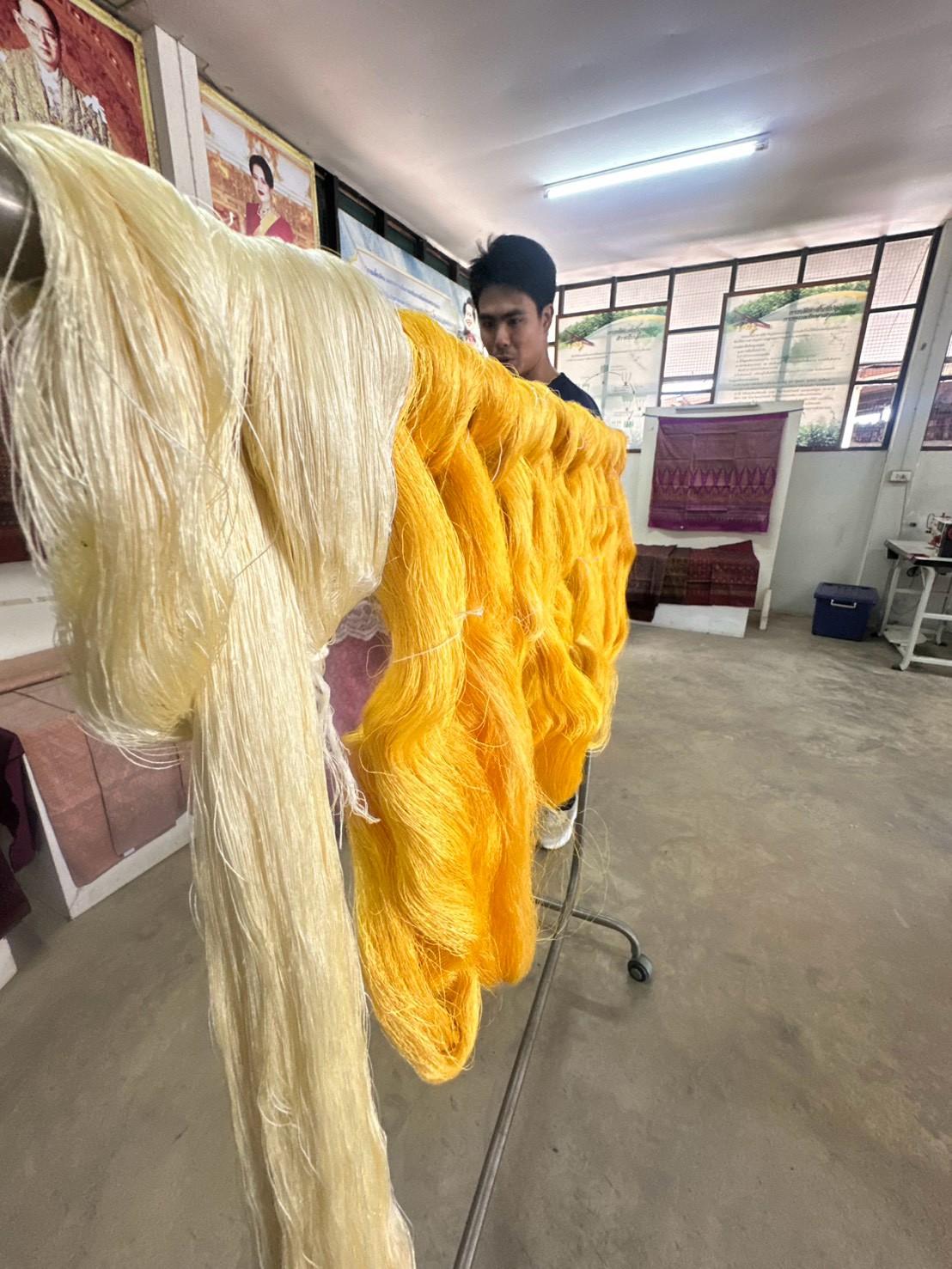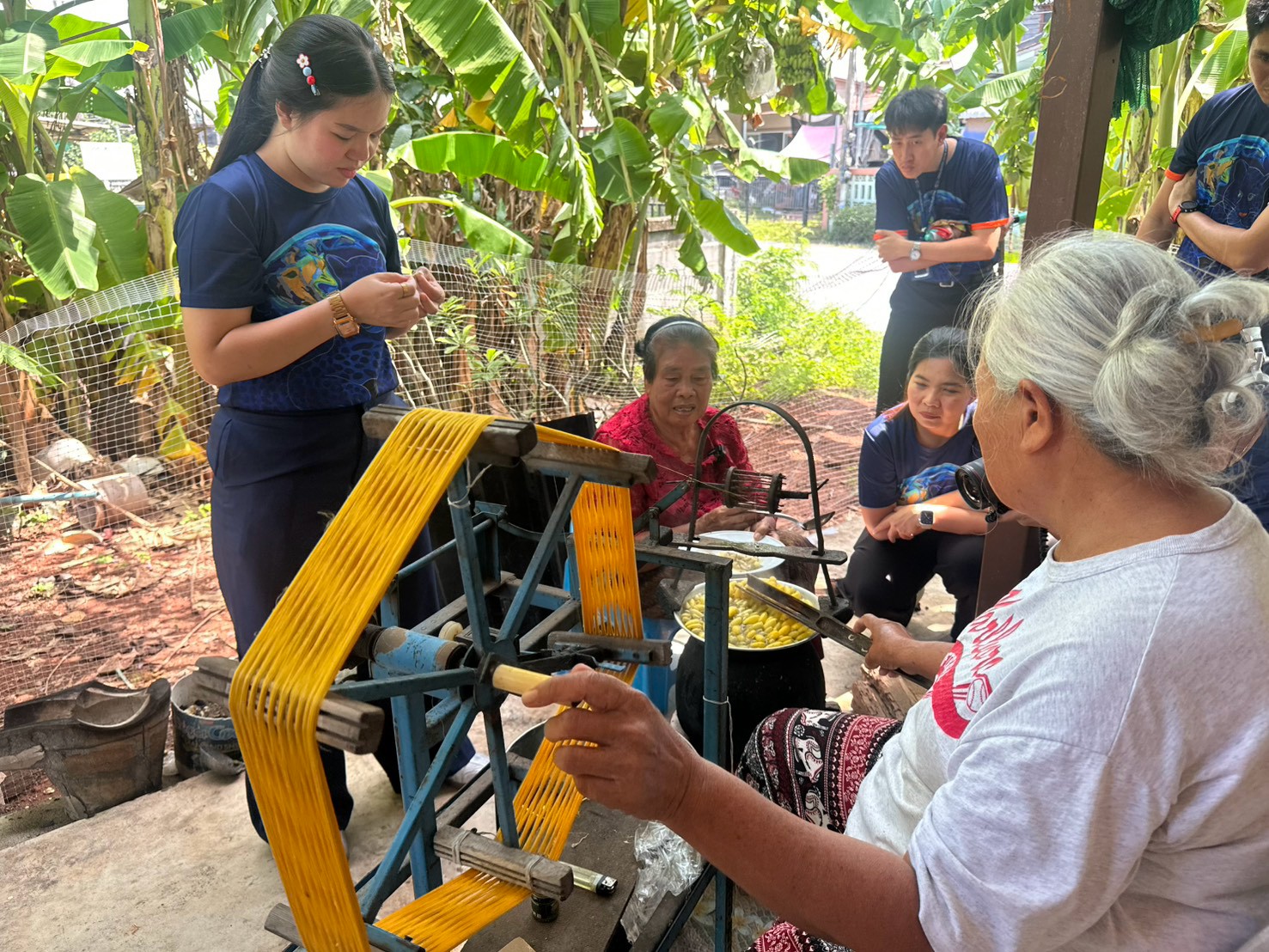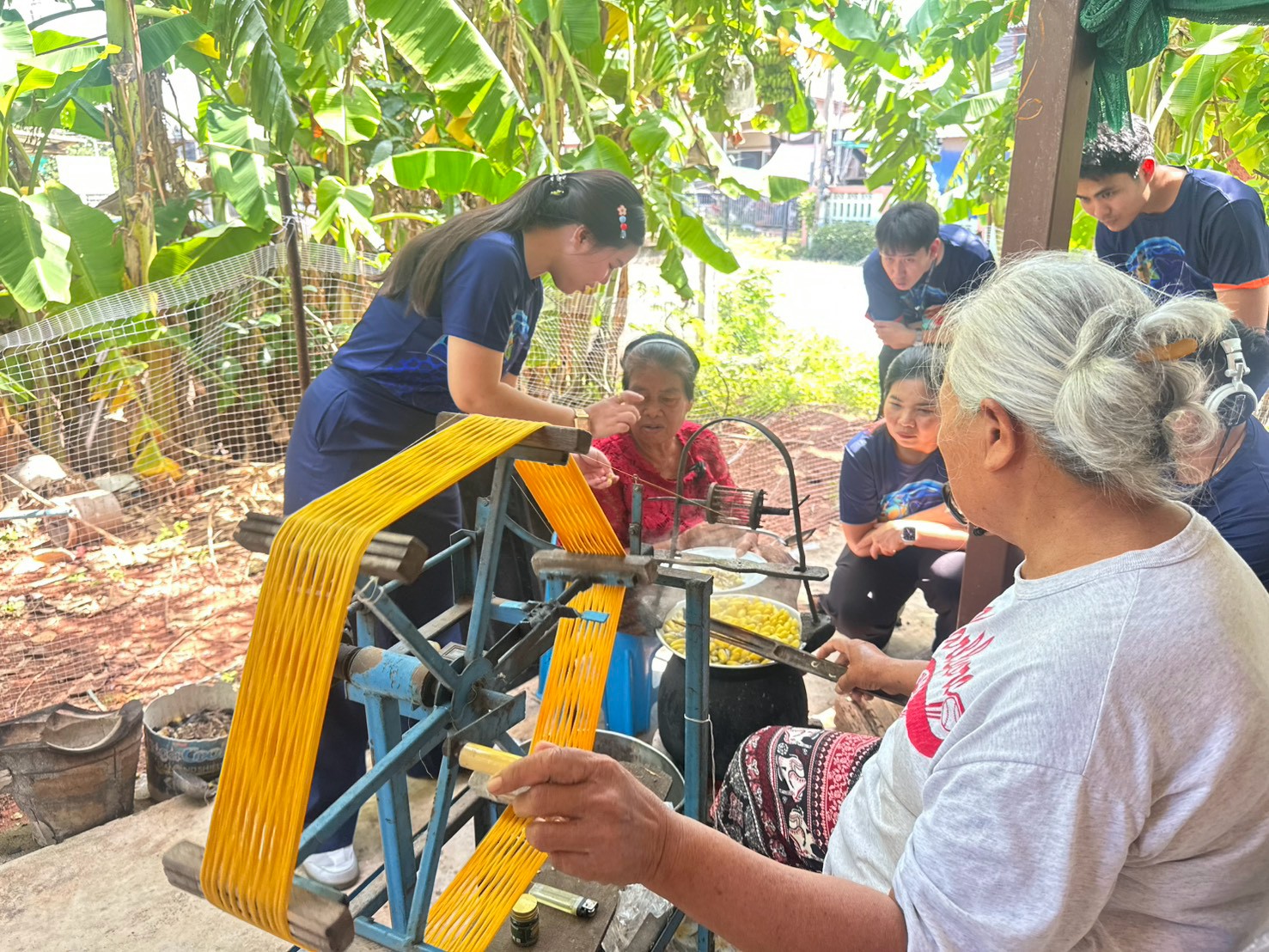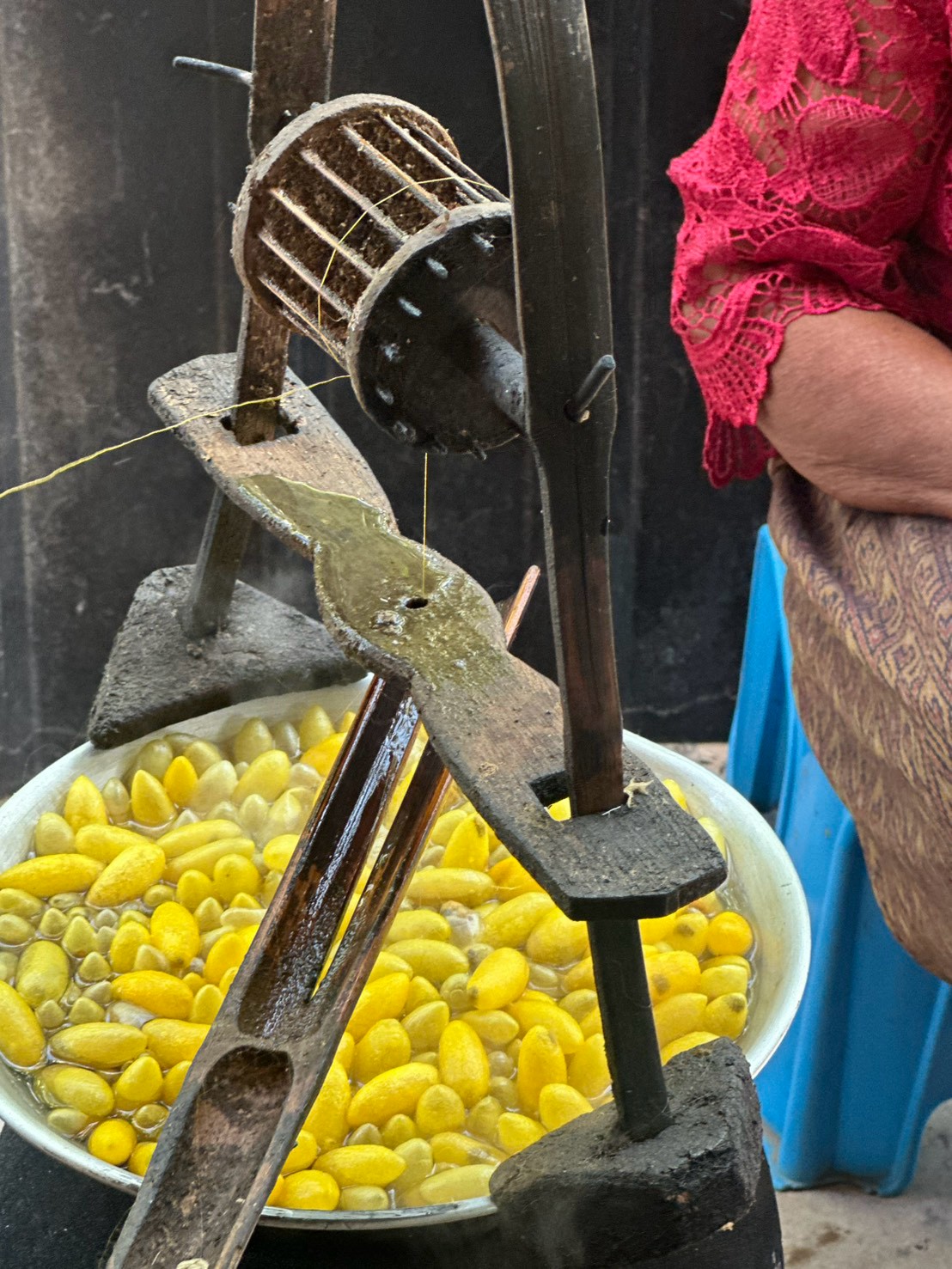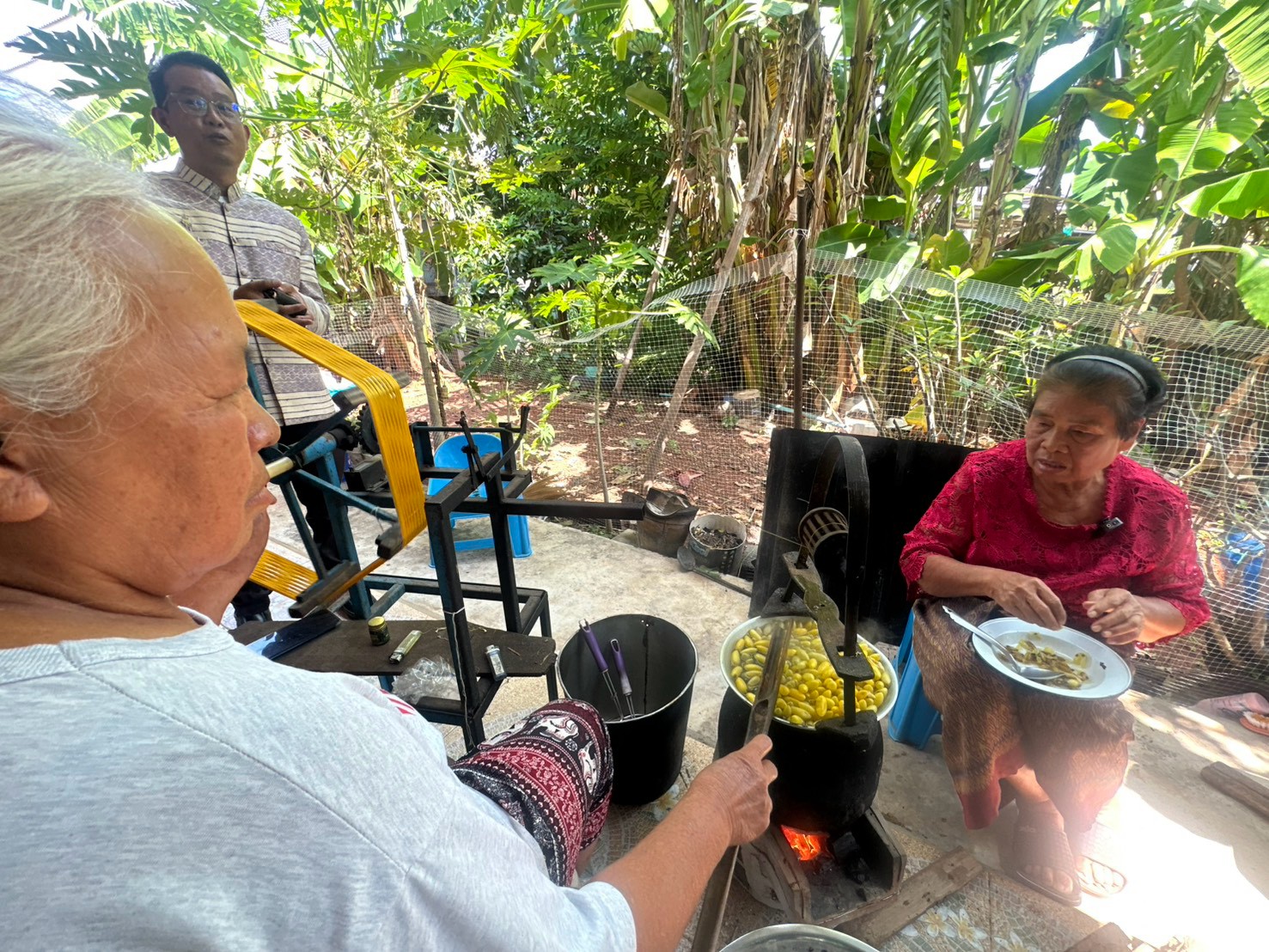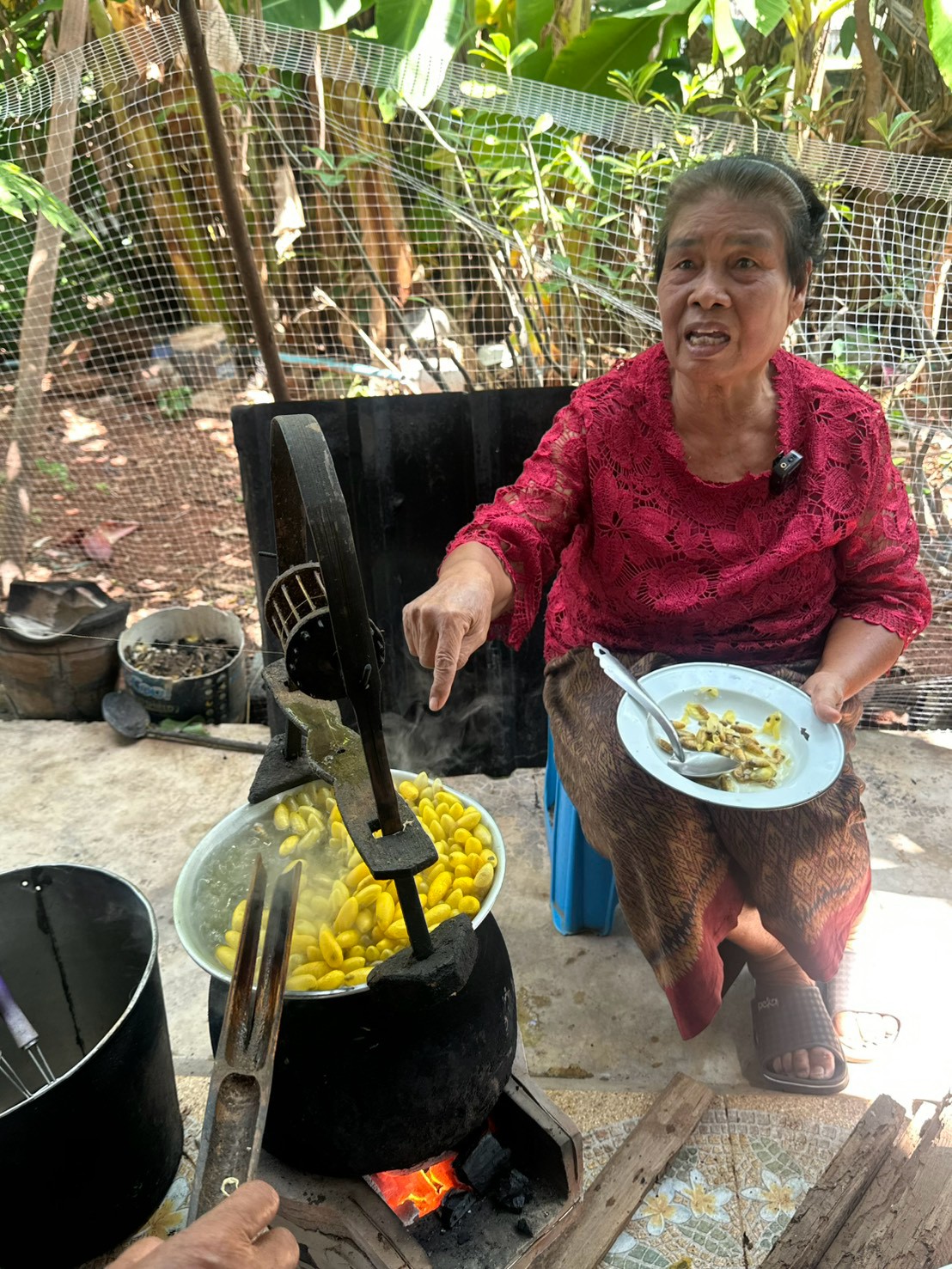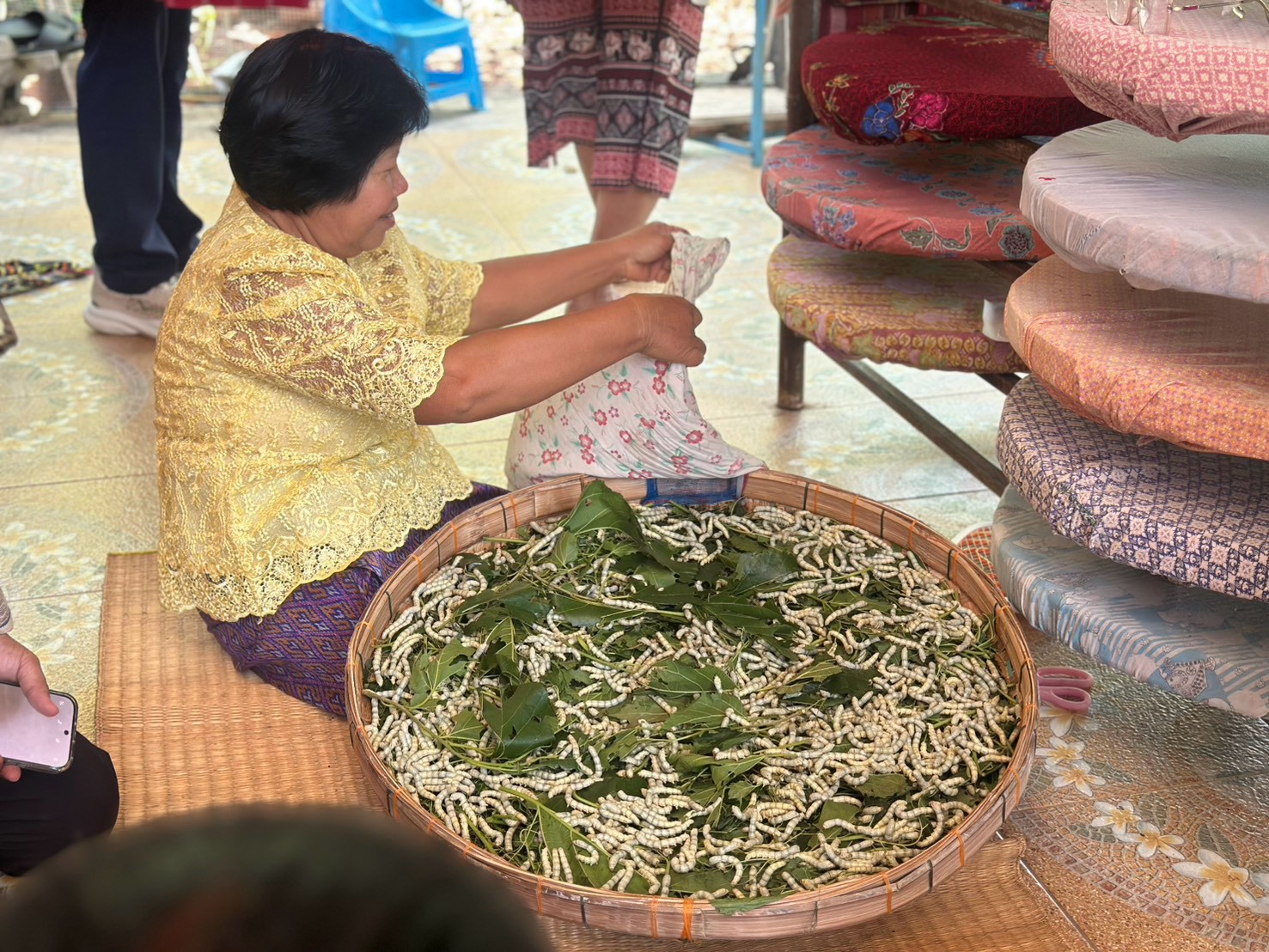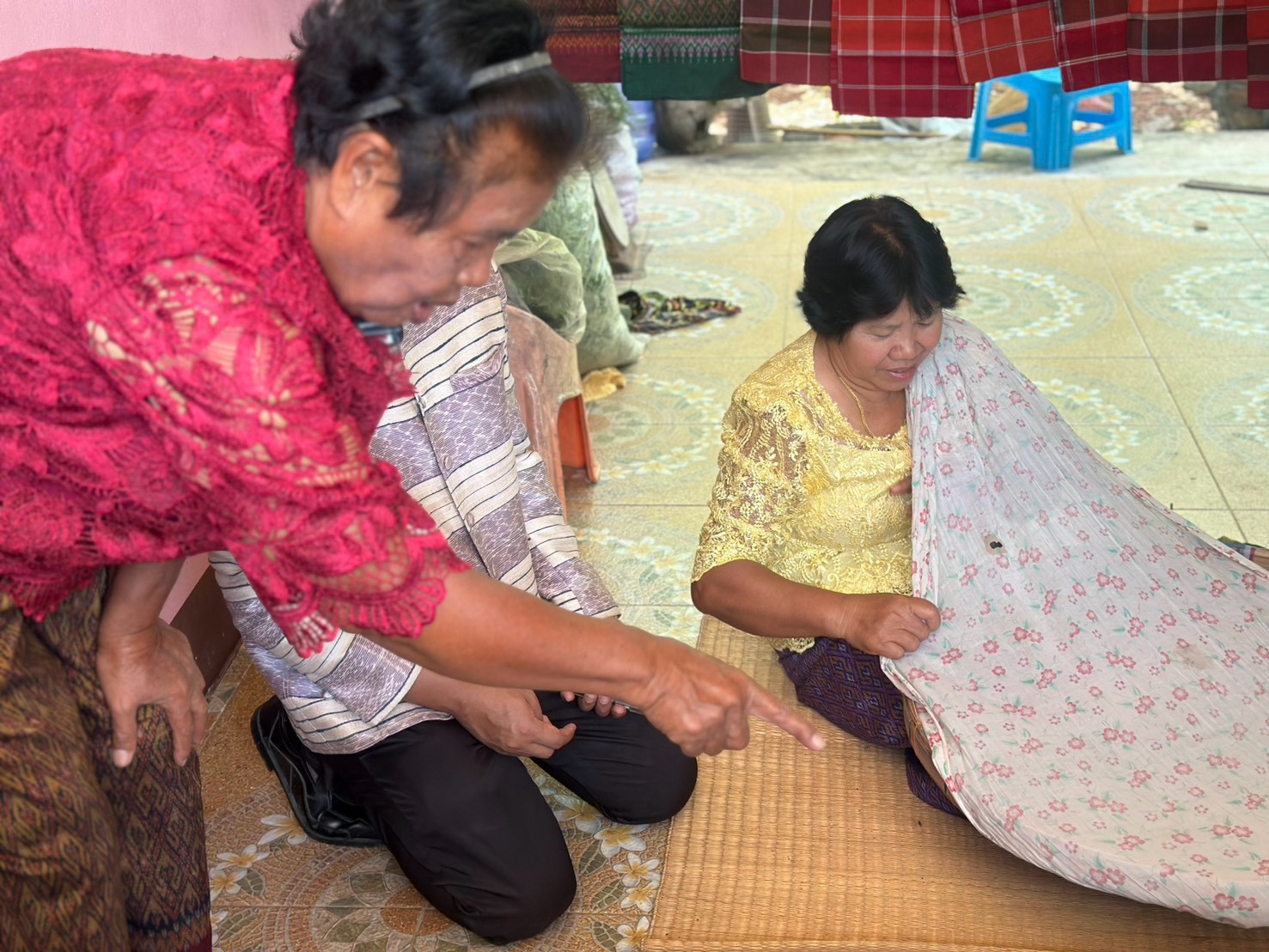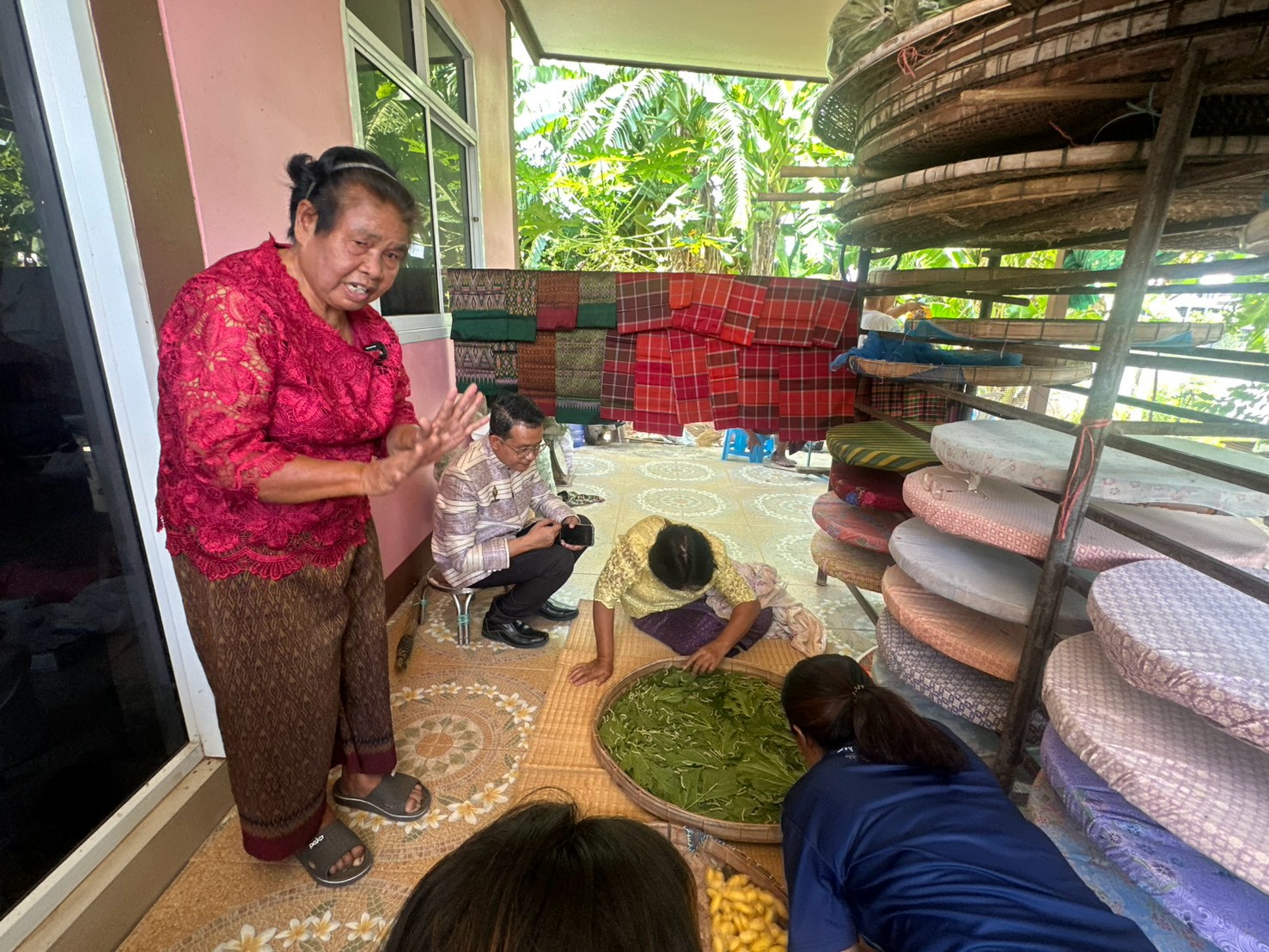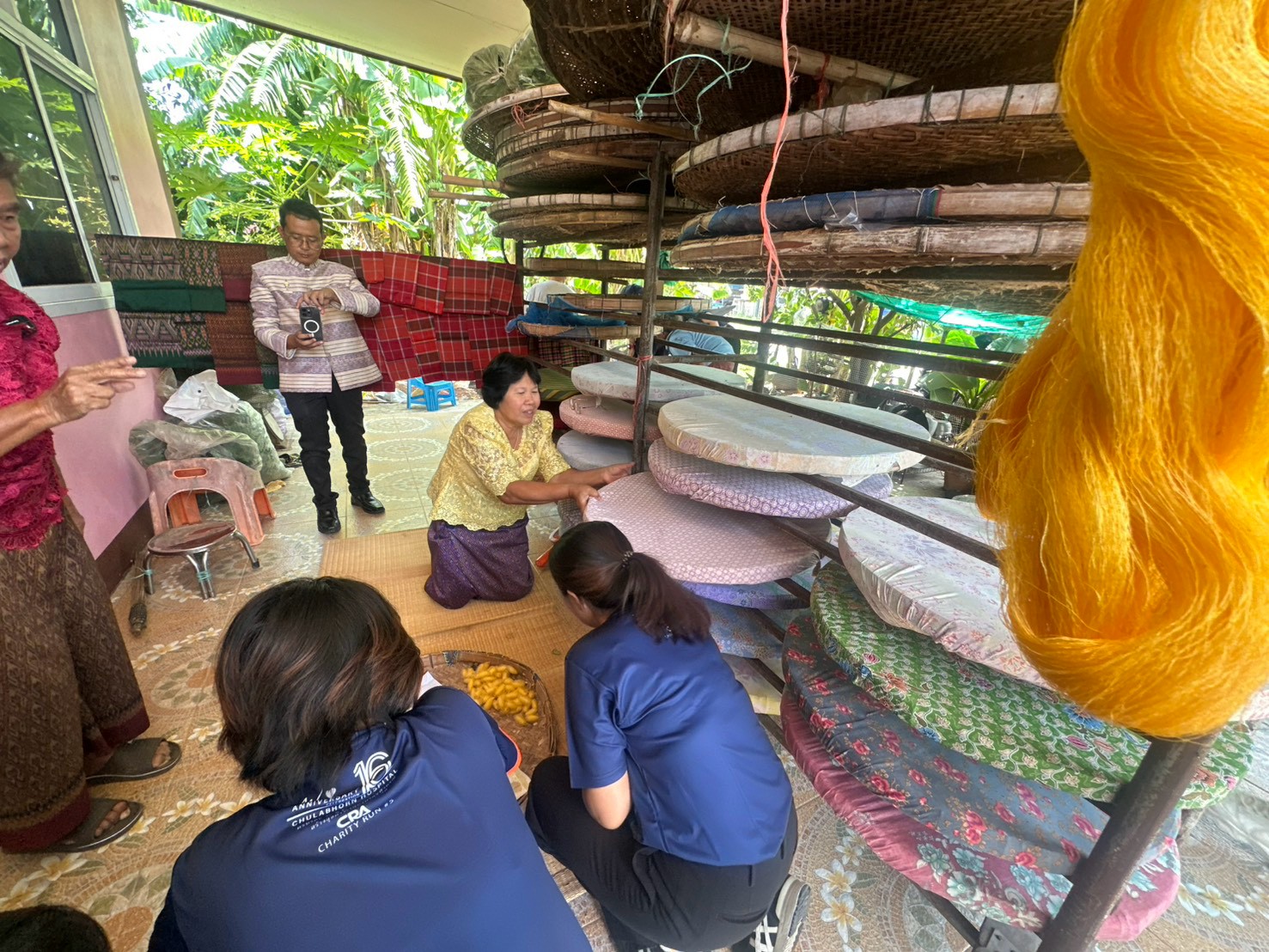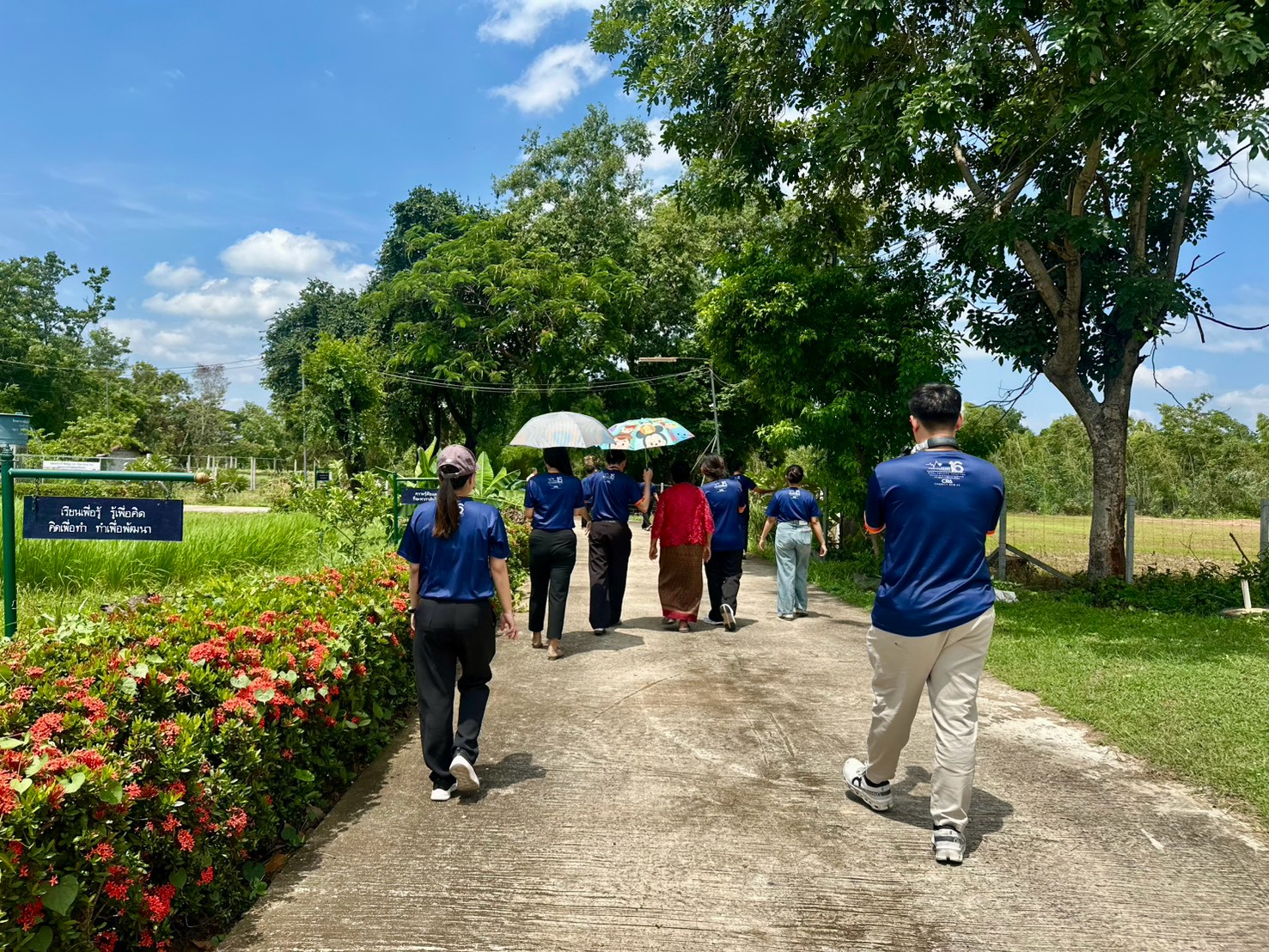
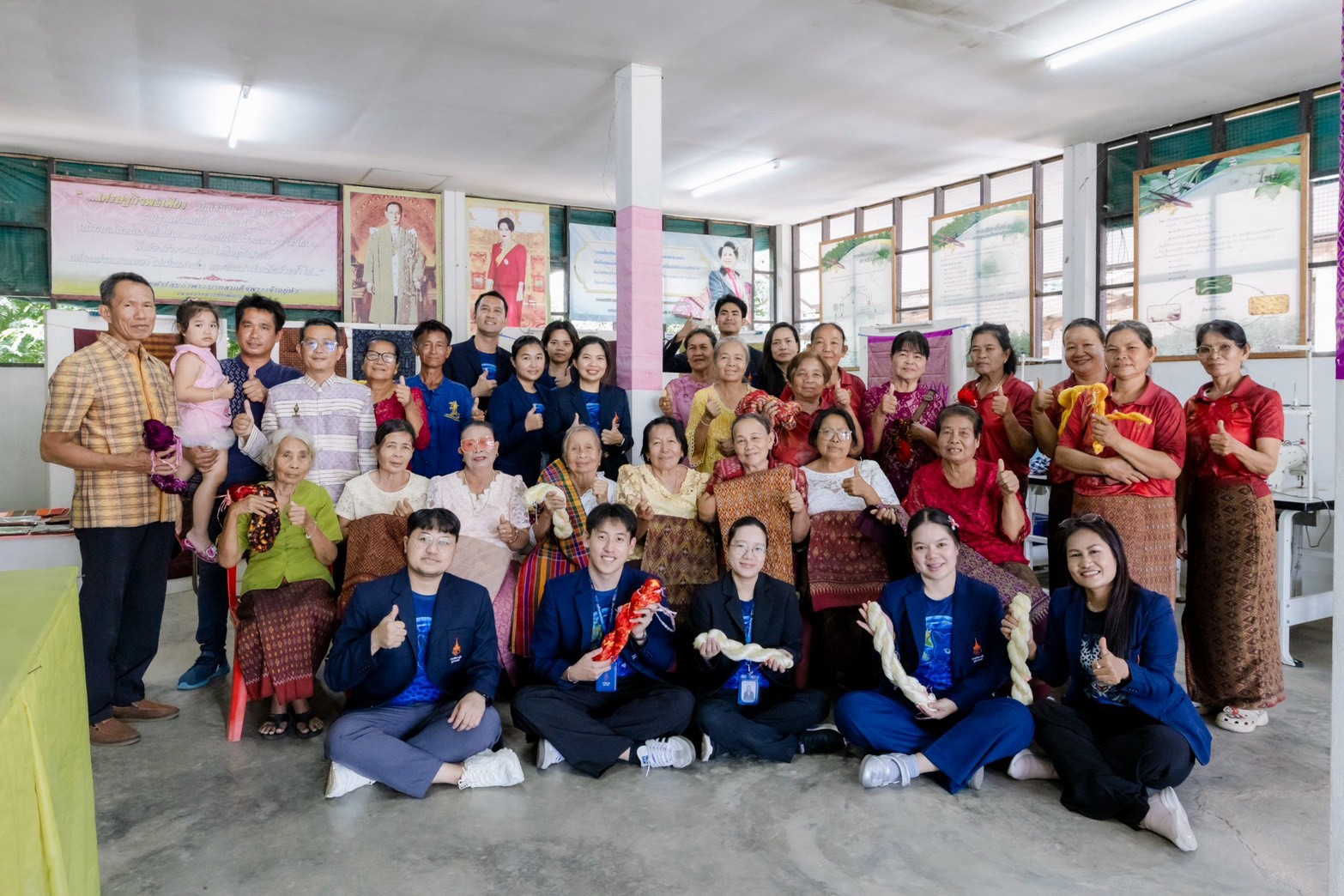
11–12 กันยายน 2569 : ราชวิทยาลัยจุฬาภรณ์ โดยฝ่ายศิลปวัฒนธรรม กีฬาและนันทนาการ ร่วมด้วยโรงงานผลิตเภสัชภัณฑ์ในพระดำริ ราชวิทยาลัยจุฬาภรณ์ คณะนวัตกรรมอาหารและโภชนาการ ราชวิทยาลัยจุฬาภรณ์ คณะวิศวกรรมศาสตร์ (วิศวกรรมชีวการแพทย์) ราชวิทยาลัยจุฬาภรณ์ และฝ่ายสื่อสารองค์กร บูรณาการความร่วมมือลงพื้นที่ชุมชนทอผ้าไหมบ้านต้อน อำเภอบ้านเขว้า จังหวัดชัยภูมิ ระหว่างวันที่ 11–12 กันยายน 2569 เดินหน้า “โครงการสืบสาน อนุรักษ์ศิลป์ วัฒนธรรมผ้าท้องถิ่นของไทย” เพื่อศึกษา รวบรวมและจัดเก็บองค์ความรู้ด้านผ้าไหมไทย ภูมิปัญญาท้องถิ่นและอัตลักษณ์ของชุมชนบ้านต้อนอย่างเป็นระบบ พร้อมบูรณาการองค์ความรู้ข้ามศาสตร์ ต่อยอดคุณค่าสู่งานวิจัยและนวัตกรรม ผสมผสานการดำเนินงานของราชวิทยาลัยจุฬาภรณ์ ภายใต้หลักการขับเคลื่อนสังคมในมิติ ESG , SDGs เพื่อการพัฒนาอย่างเป็นรูปธรรมและยั่งยืน
ผ้าไหมไทย ถือเป็นมรดกทางภูมิปัญญาและทุนทางวัฒนธรรมที่สะท้อนทั้งองค์ความรู้ด้านศิลปหัตถกรรม วิถีชีวิต อัตลักษณ์ชุมชน และความหลากหลายทางชีวภาพที่ได้รับการสั่งสมและถ่ายทอดมาอย่างยาวนาน การอนุรักษ์ผ้าไหมไทยในปัจจุบันจึงไม่ได้จำกัดเพียงการผลิตหรือสร้างสรรค์ลวดลาย หากแต่ครอบคลุมถึงการศึกษาวิจัย การจัดเก็บองค์ความรู้ และการต่อยอดสู่คุณค่าทางเศรษฐกิจ สังคม และนวัตกรรมตามแนวทางการพัฒนาที่ยั่งยืน ราชวิทยาลัยจุฬาภรณ์ในฐานะสถาบันการศึกษาด้านวิจัย นวัตกรรม และวิทยาศาสตร์ สุขภาพ มีพันธกิจด้านการสืบสานและทำนุบำรุงศิลปวัฒนธรรม ศาสนา ศีลธรรม และภูมิปัญญาท้องถิ่น พร้อมบูรณาการองค์ความรู้ข้ามศาสตร์เพื่อสร้างคุณประโยชน์แก่สังคม เล็งเห็นถึงความสำคัญในการนำองค์ความรู้ด้านศิลปวัฒนธรรมและภูมิปัญญาท้องถิ่นการทำผ้าไหมของชุมชนบ้านต้อน มาศึกษา วิเคราะห์ และต่อยอดเชิงวิจัยและนวัตกรรม พร้อมส่งเสริมพัฒนาเพิ่มคุณค่าของผลิตภัณฑ์ในอนาคต
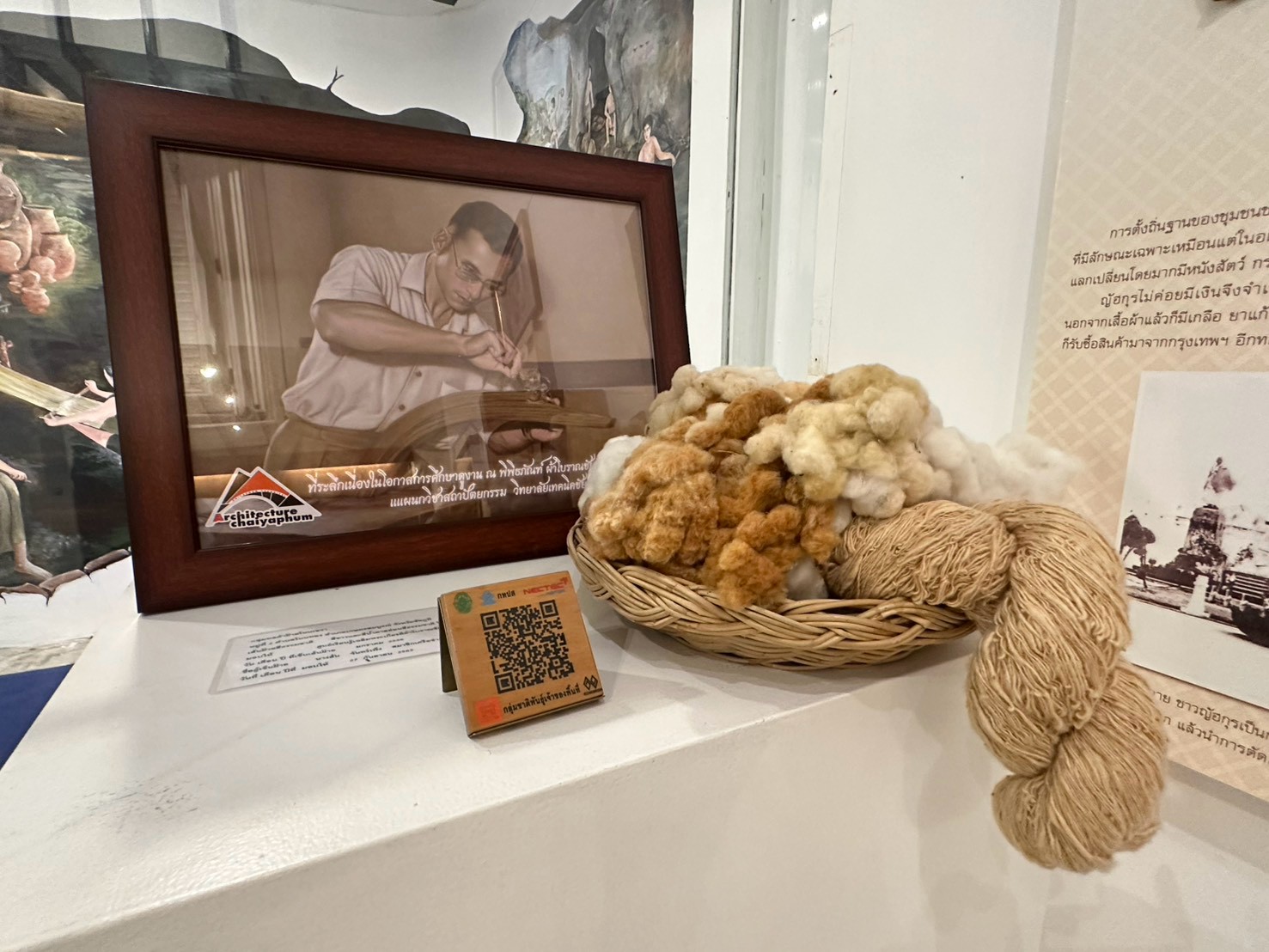
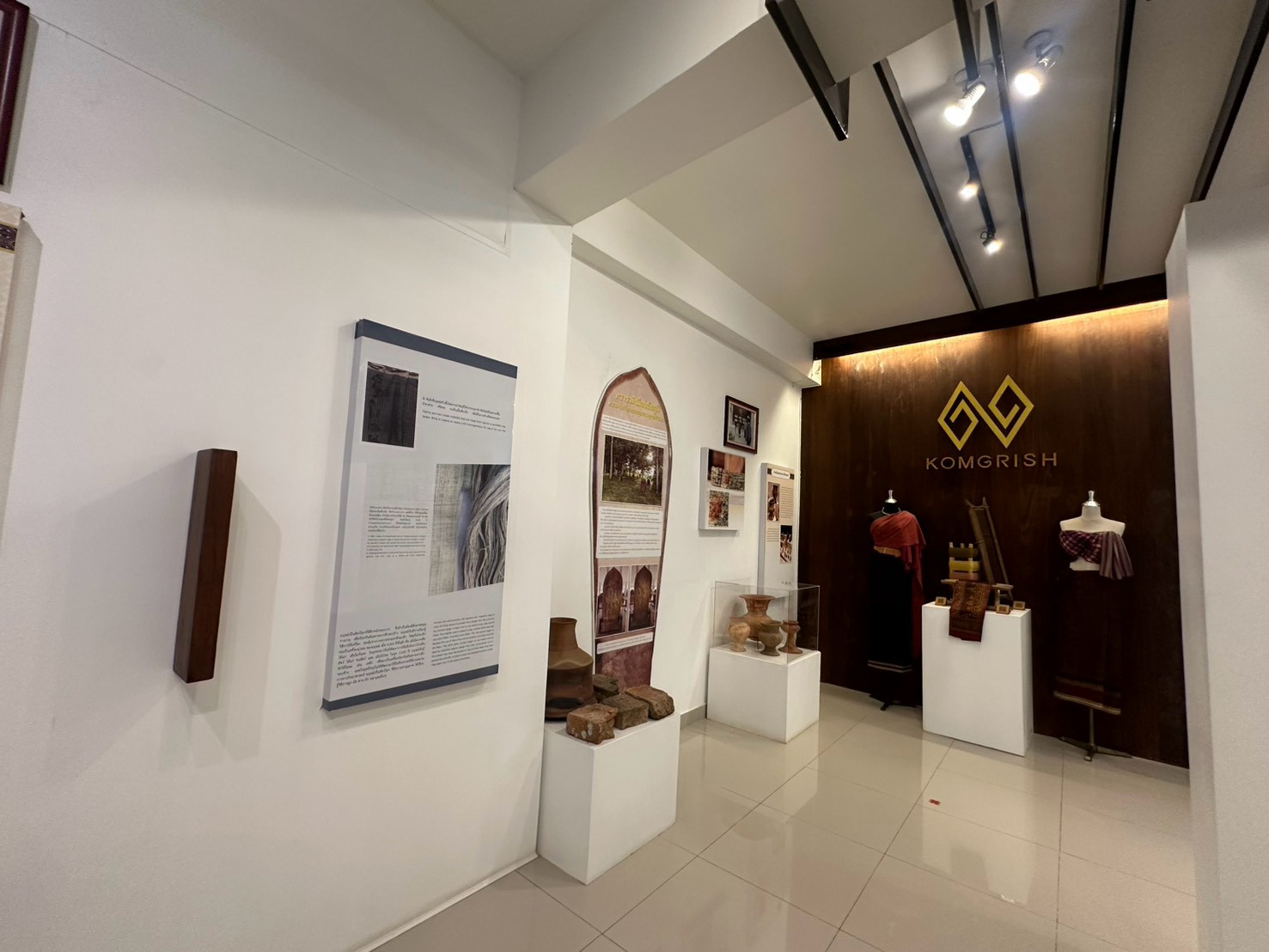
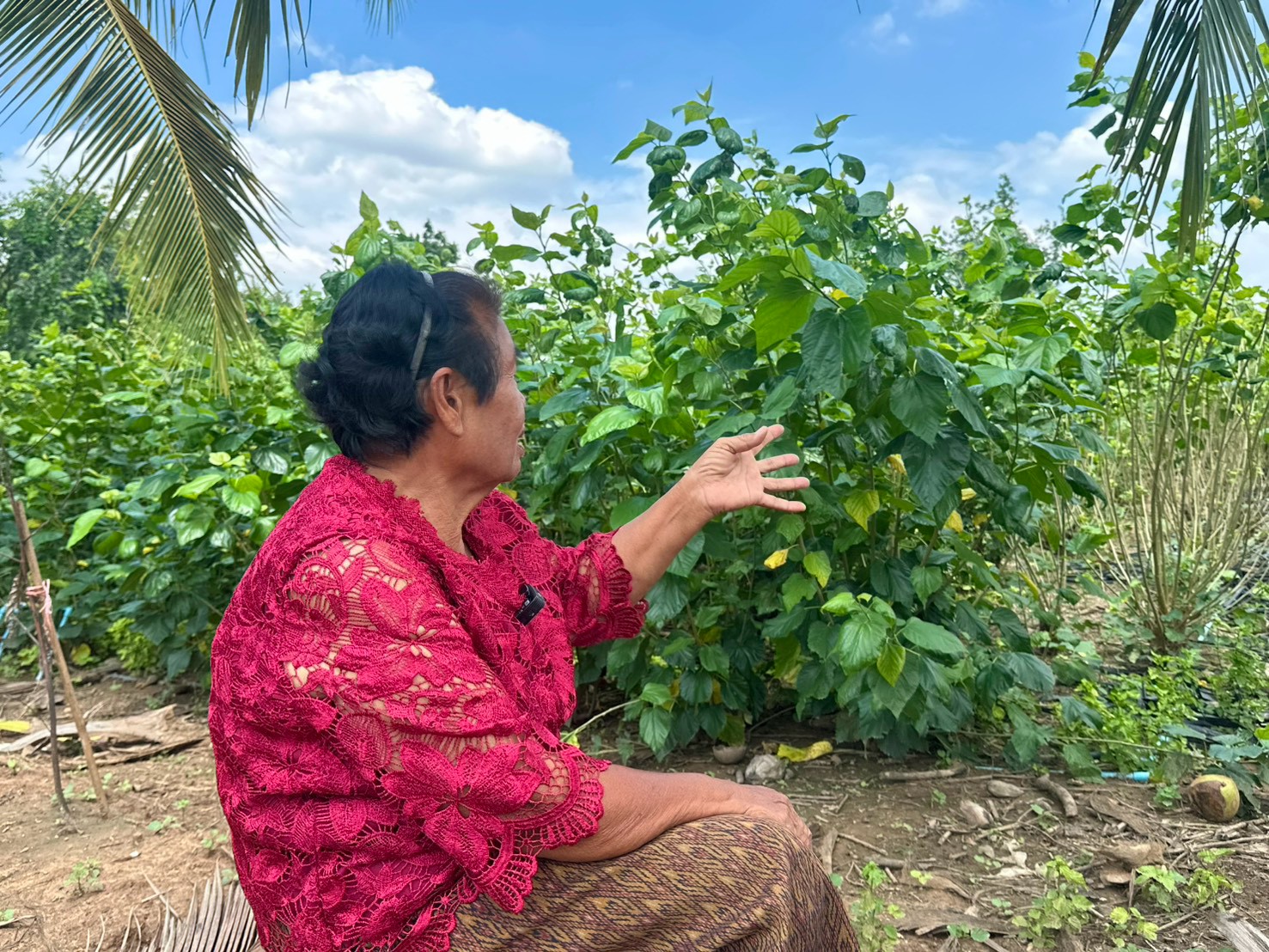
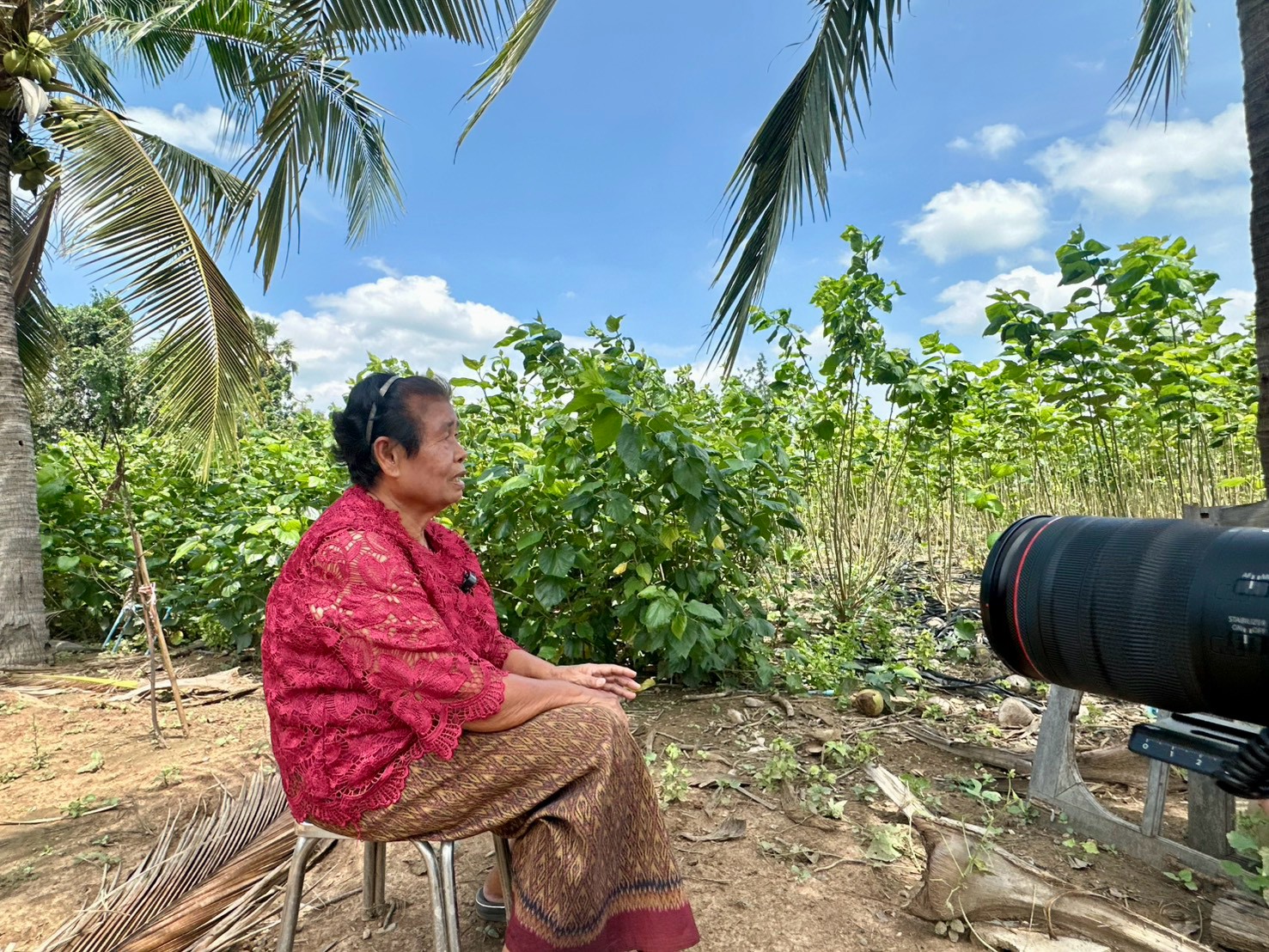
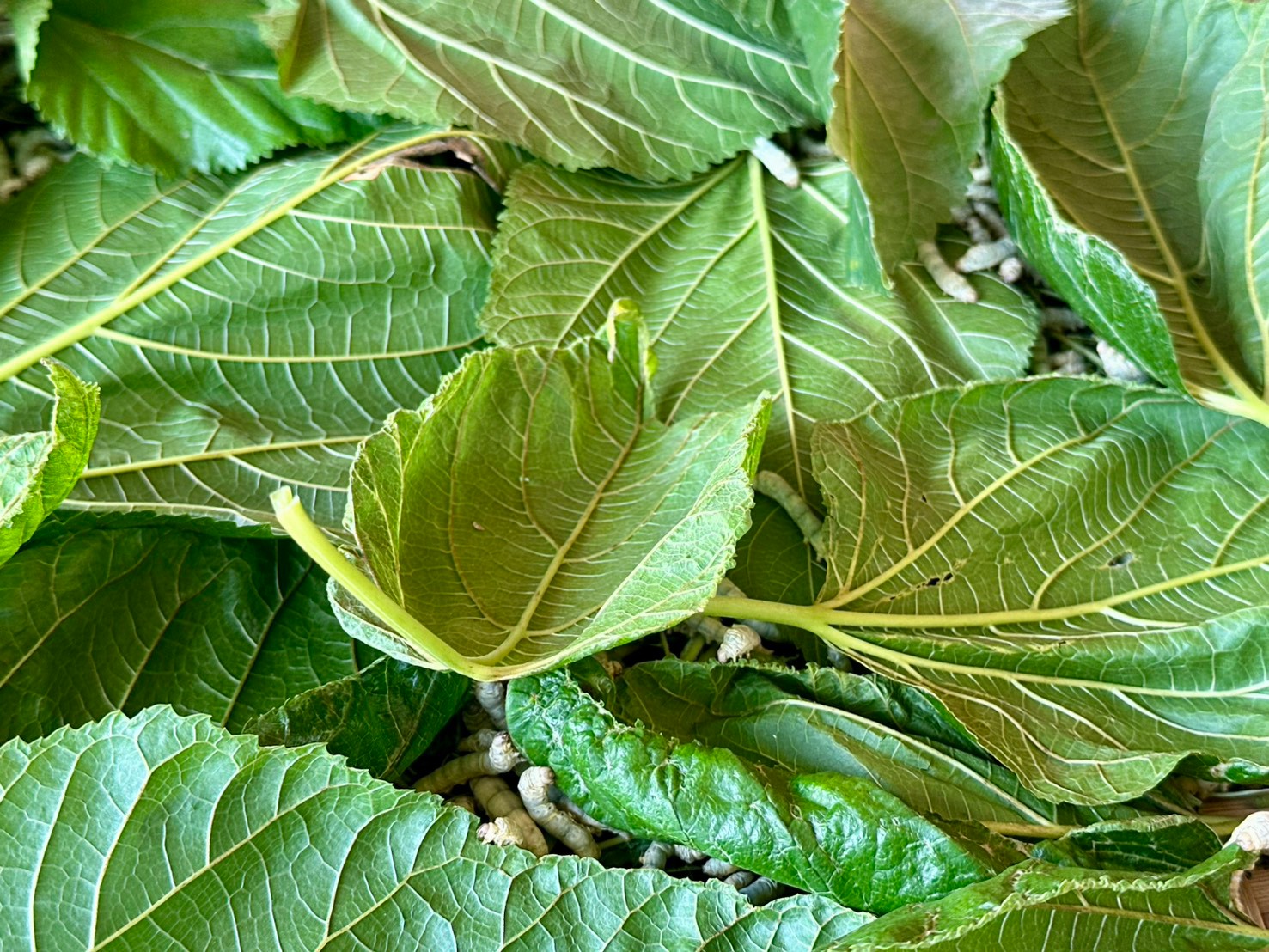
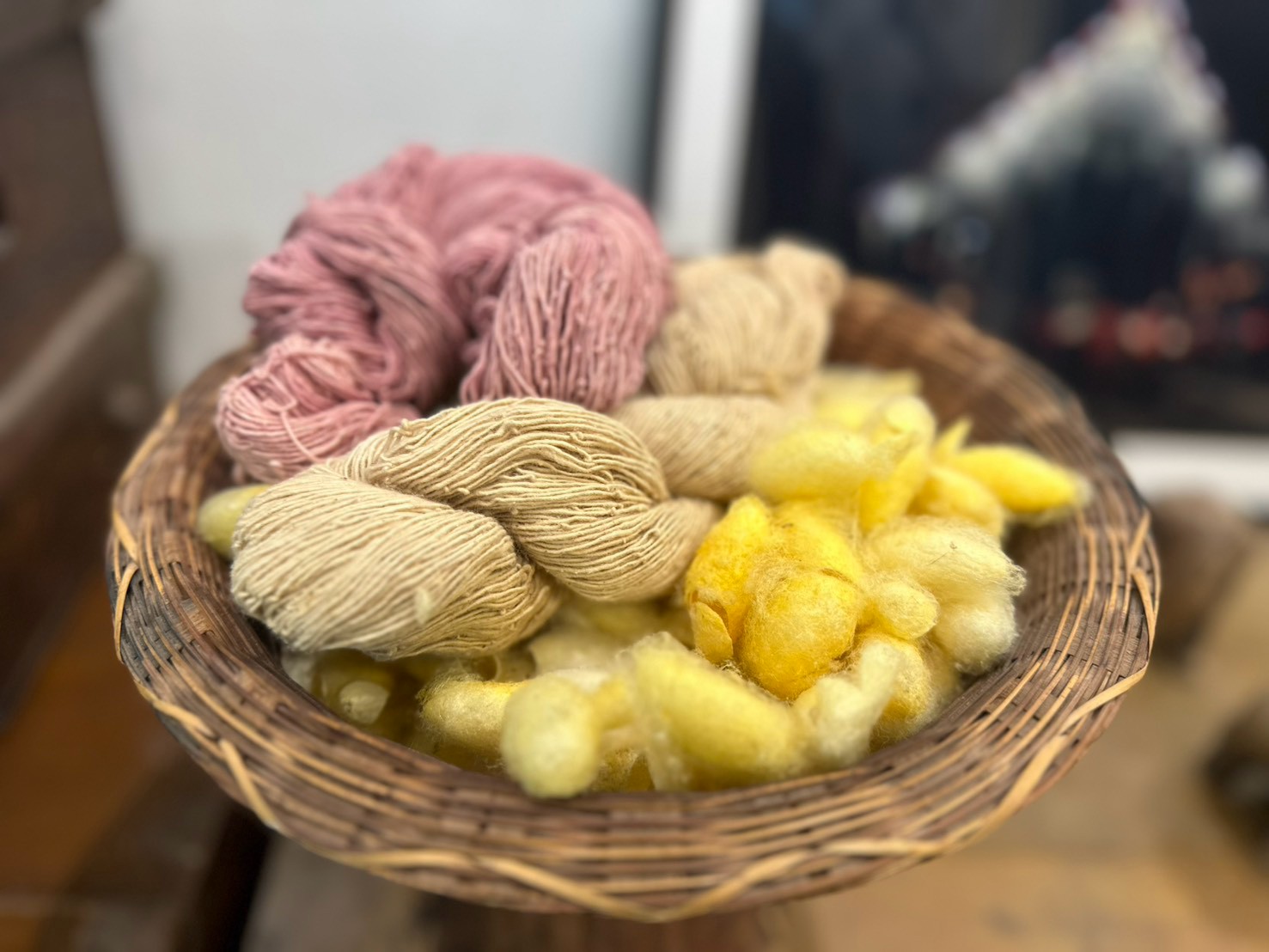
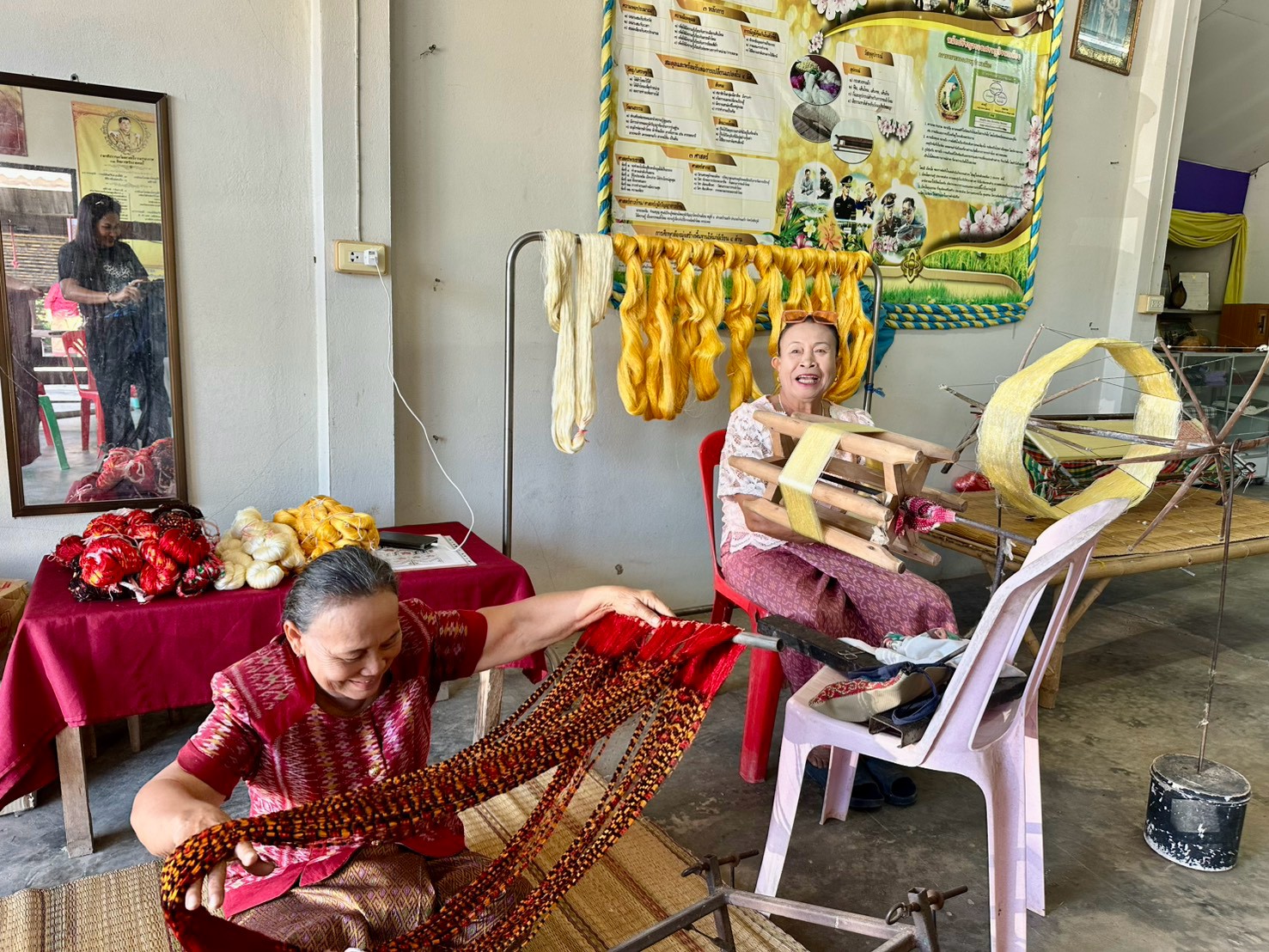
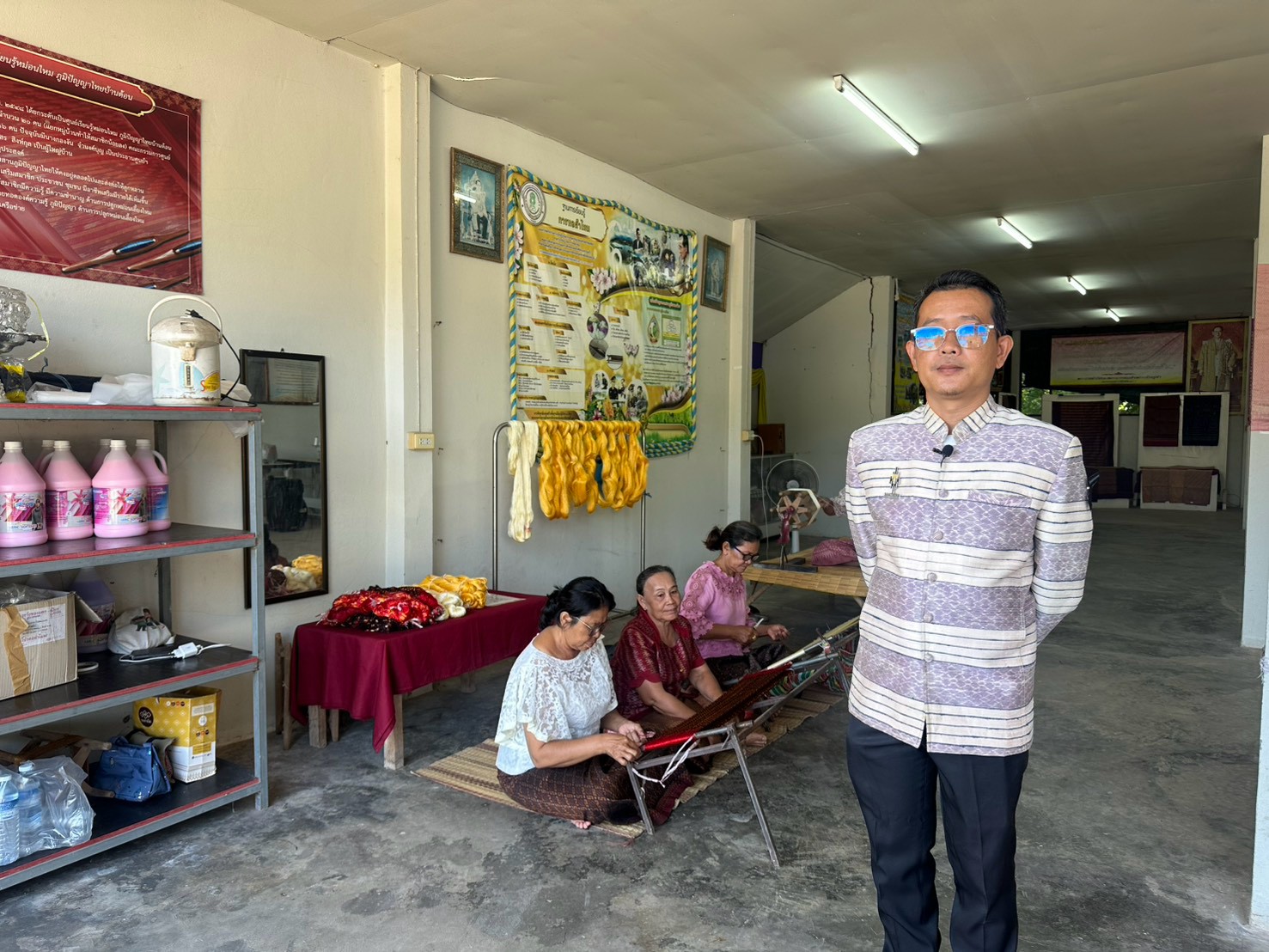
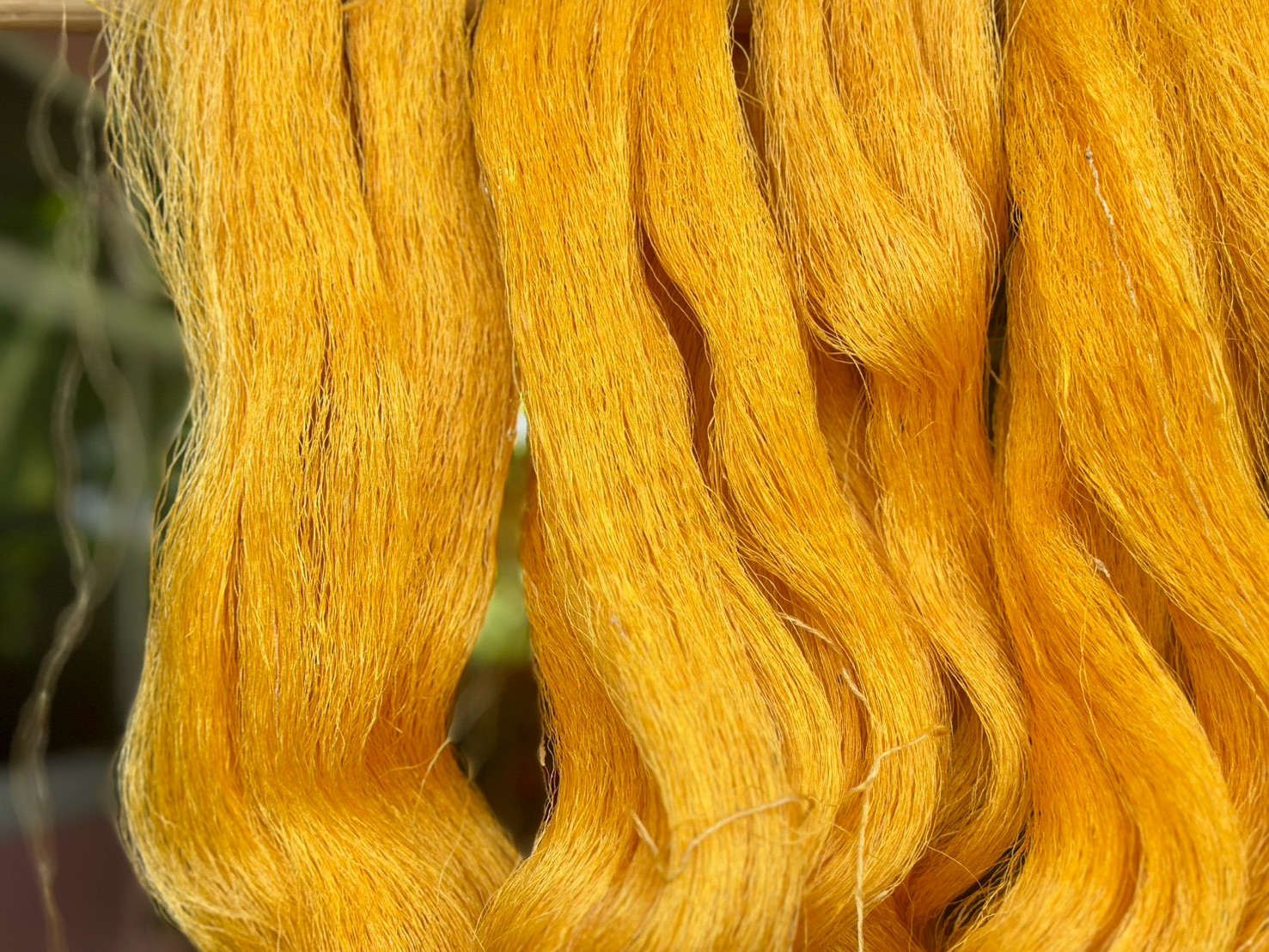
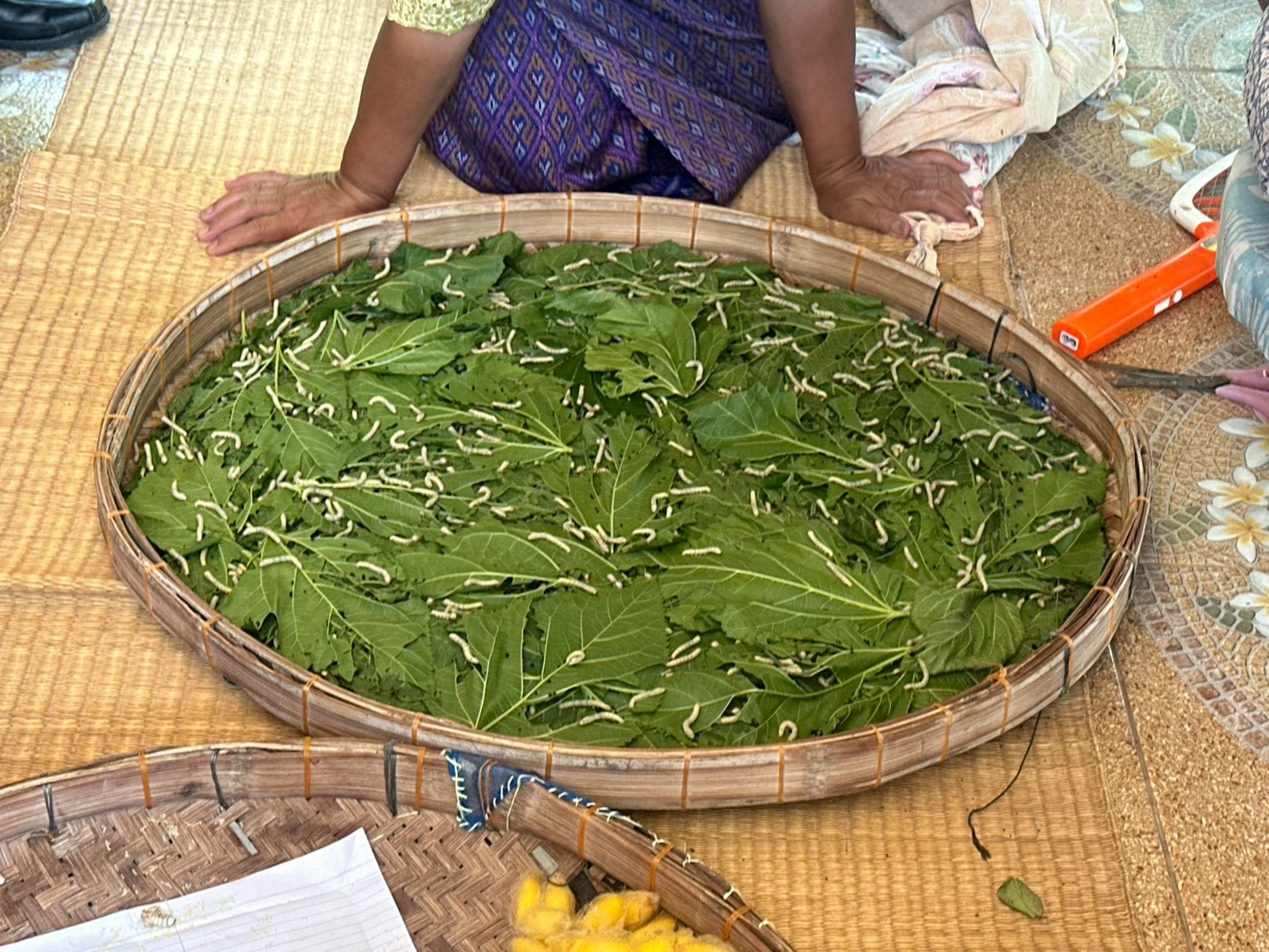
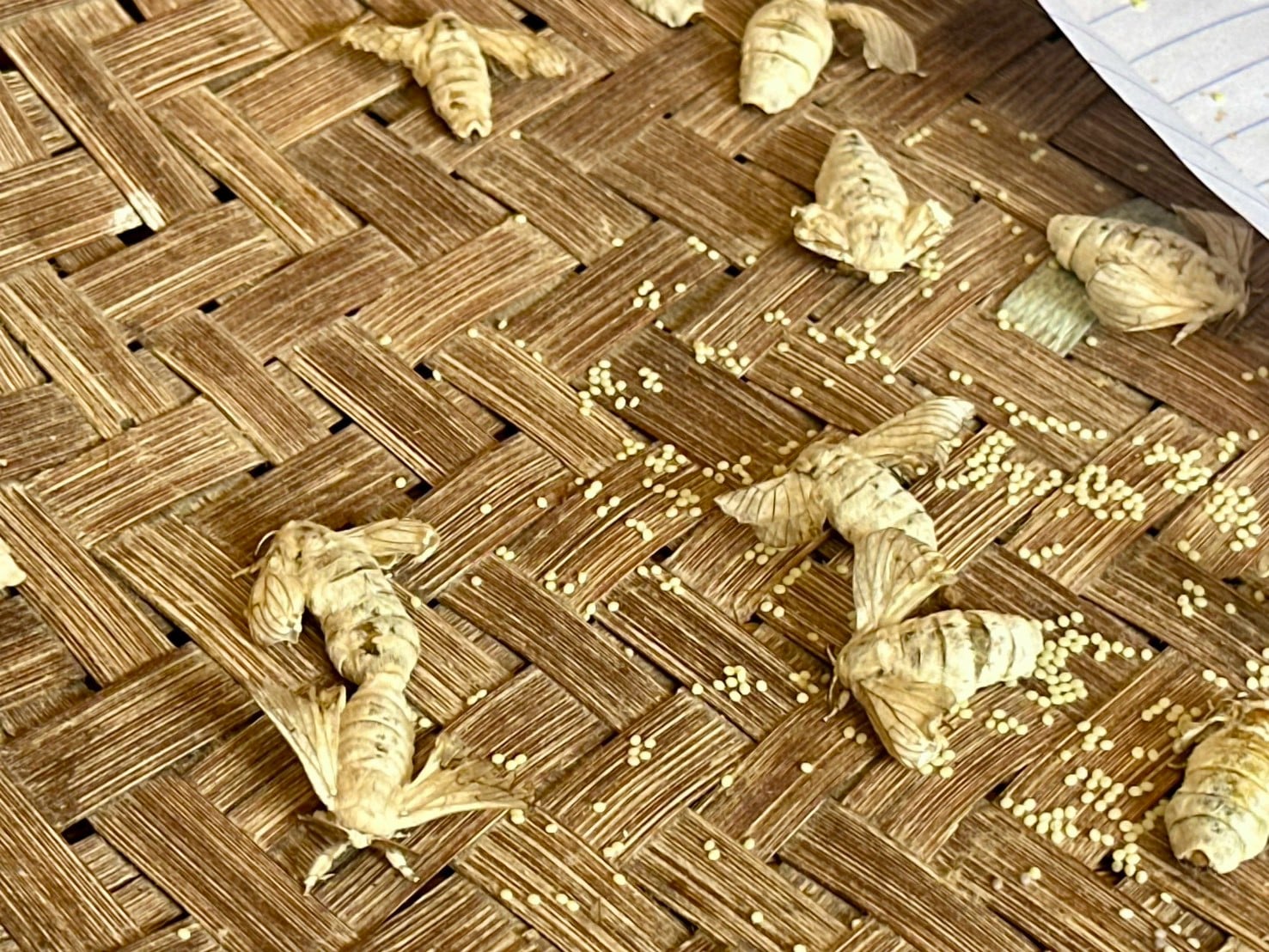
สำหรับการลงพื้นที่ครั้งนี้ คณะทำงานจากราชวิทยาลัยจุฬาภรณ์ ร่วมกับผู้นำชุมชน ได้ร่วมศึกษากระบวนการผลิตผ้าไหมไทยจากปราชญ์ชาวบ้าน กลุ่มผู้ผลิตและแหล่งเรียนรู้ชุมชน ตลอดจนสัมภาษณ์เชิงลึกเพื่อรวบรวมประวัติ ความเป็นมา ภูมิปัญญา และอัตลักษณ์ทางวัฒนธรรมของชุมชนบ้านต้อน ตั้งแต่ต้นน้ำถึงปลายน้ำ นอกจากนี้ ยังมุ่งศึกษากระบวนการผลิต โครงสร้างและคุณสมบัติของวัสดุ รวมถึงวัสดุเหลือใช้จากกระบวนการผลิตผ้าไหม ตามแนวคิด Waste to Value เพื่อสำรวจศักยภาพในการนำวัสดุเหลือใช้ไปต่อยอดสู่การวิจัยและพัฒนาผลิตภัณฑ์นวัตกรรมและผลิตภัณฑ์มูลค่าสูง ภายใต้แนวทาง BCG Economy ซึ่งจะนำไปสู่การพัฒนาผลิตภัณฑ์ต่าง ๆ ในอนาคต อาทิ เวชสำอาง วัสดุทางการแพทย์ และผลิตภัณฑ์มูลค่าเพิ่มอื่น ๆ และอีกหนึ่งในเป้าหมายสำคัญของโครงการ คือการจัดทำ ฐานข้อมูลองค์ความรู้ด้านผ้าไหมไทย ภูมิปัญญาท้องถิ่น และอัตลักษณ์ชุมชนในรูปแบบดิจิทัล เพื่อให้สามารถนำไปใช้ประโยชน์ในการศึกษา วิจัย และพัฒนาองค์ความรู้ของราชวิทยาลัยจุฬาภรณ์ได้อย่างต่อเนื่อง พร้อมจัดทำข้อมูลเชิงวิชาการและ ข้อกำหนดการออกแบบ (Design Requirement) เพื่อใช้เป็นแนวทางในการพัฒนาลวดลายผ้าไหมอัตลักษณ์ราชวิทยาลัยจุฬาภรณ์ในระยะต่อไป
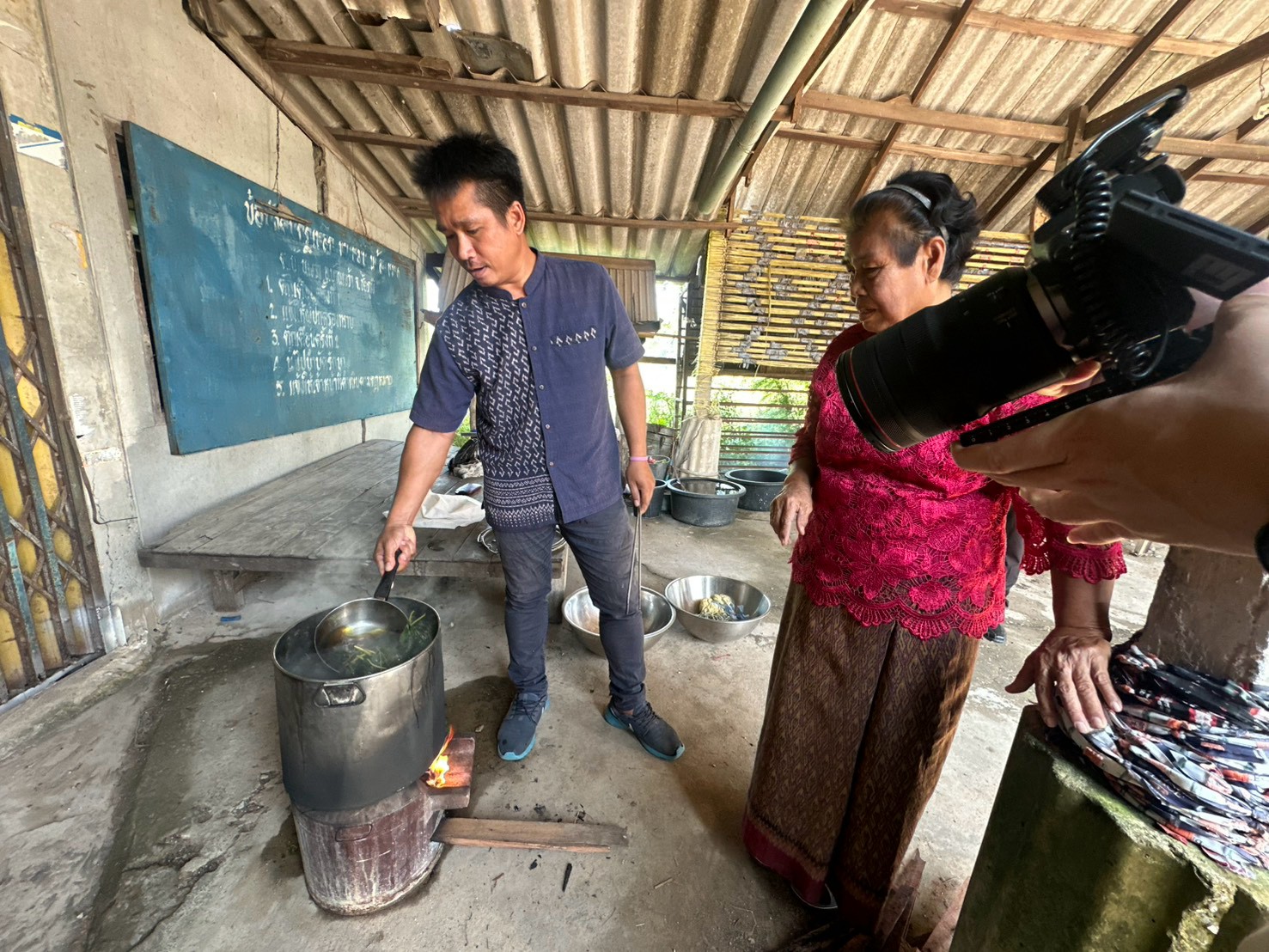
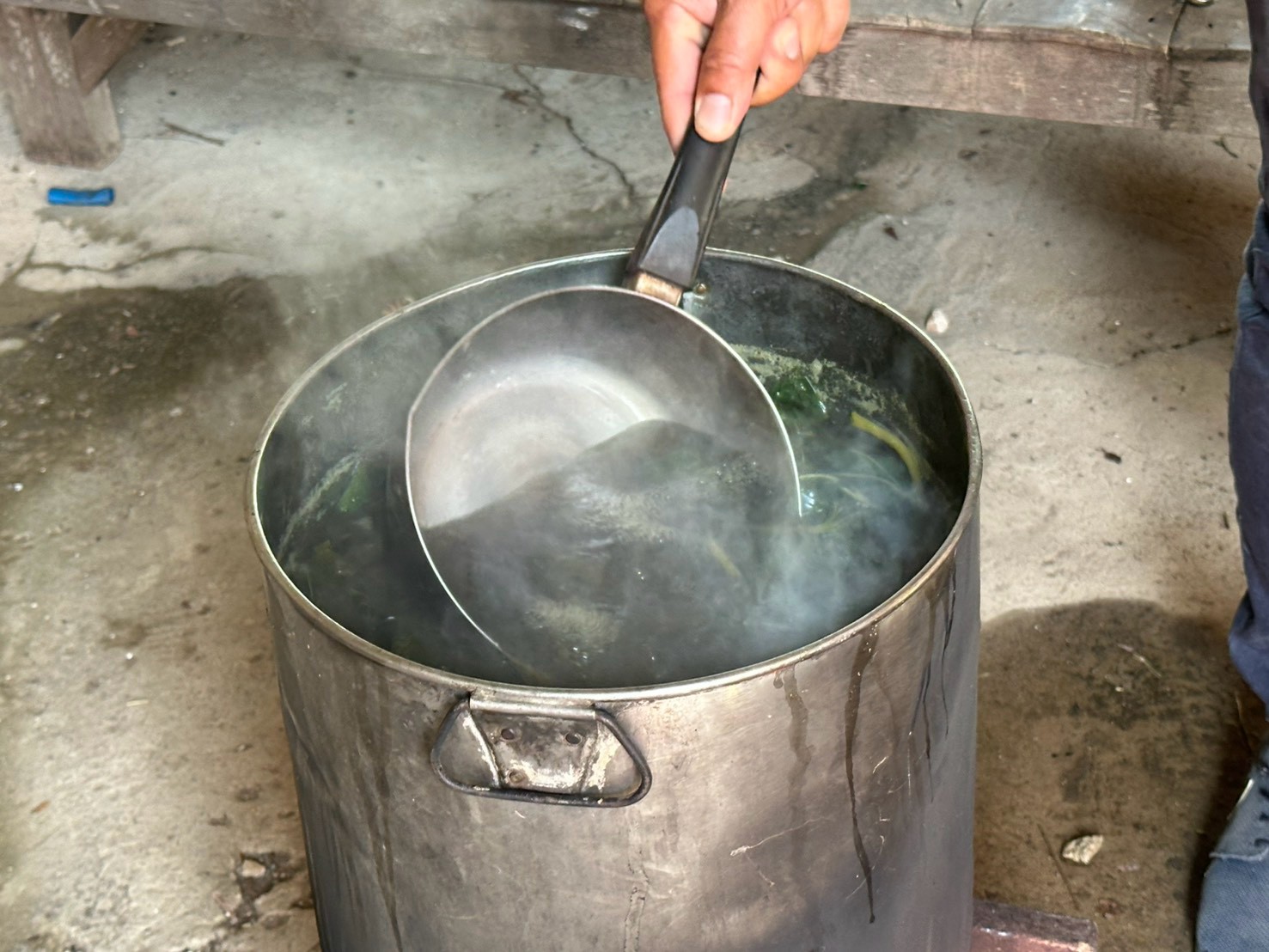
นอกจากนี้ “โครงการสืบสาน อนุรักษ์ศิลป์ วัฒนธรรมผ้าท้องถิ่นของไทย” ยังมุ่งสร้างเครือข่ายความร่วมมือระหว่างราชวิทยาลัยจุฬาภรณ์ ชุมชนต้นแบบ และหน่วยงานที่เกี่ยวข้องของจังหวัดชัยภูมิ เพื่อร่วมกันอนุรักษ์ สืบสาน และส่งเสริมภูมิปัญญาท้องถิ่นด้านผ้าไหมไทย ตลอดจนจัดทำ แผนแม่บทการพัฒนาองค์ความรู้และการต่อยอดนวัตกรรมด้านผ้าไหมไทย ระยะ 5 ปี (พ.ศ. 2569–2573) เพื่อเป็นกรอบการดำเนินงานด้านการออกแบบ การวิจัย และการพัฒนานวัตกรรมในอนาคตอย่างเป็นรูปธรรมและยั่งยืน พร้อมกันนี้ การดำเนินงานดังกล่าวยังเชื่อมโยงกับแนวทาง ESG และเป้าหมายการพัฒนาที่ยั่งยืน (SDGs) โดยให้ความสำคัญทั้งด้านสิ่งแวดล้อม ผ่านการศึกษาและส่งเสริมกระบวนการทอผ้าแบบดั้งเดิมและการใช้สีย้อมธรรมชาติ ด้านสังคม ผ่านการยกระดับองค์ความรู้ของชุมชนและการสร้างมูลค่าเพิ่มให้กับผลิตภัณฑ์ท้องถิ่น และด้านธรรมาภิบาล ผ่านการดำเนินงานอย่างเป็นระบบตามหลักวิชาการและการเคารพสิทธิในภูมิปัญญาของชุมชน
จึงกล่าวได้ว่า “โครงการสืบสาน อนุรักษ์ศิลป์ วัฒนธรรมผ้าท้องถิ่นของไทย” โดยราชวิทยาลัยจุฬาภรณ์ เป็นมากกว่าการอนุรักษ์ผ้าไหมไทย แต่เป็นการวางรากฐานเพื่อเชื่อมโยง ภูมิปัญญาท้องถิ่น ศิลปวัฒนธรรม วิทยาศาสตร์ สุขภาพ และนวัตกรรม เข้าด้วยกัน สร้างองค์ความรู้ที่สามารถนำไปใช้ประโยชน์ได้จริง พร้อมส่งต่อทุนทางวัฒนธรรมของไทยสู่คนรุ่นต่อไป และขับเคลื่อนการพัฒนาสังคมอย่างยั่งยืนตามพันธกิจของราชวิทยาลัยจุฬาภรณ์
Chulabhorn Royal Academy Advances Thai Silk Heritage through Research and Innovation in Ban Ton Community, Chaiyaphum
Connecting Local Wisdom with Research and Innovation for Sustainable Development
September 11–12, 2026 — The Chulabhorn Royal Academy (CRA), through its Division of Arts, Culture, Sports and Recreation, in collaboration with the Pharmaceutical Manufacturing Plant under the Royal Patronage of the Chulabhorn Royal Academy, the Faculty of Food Innovation and Nutrition, the Faculty of Engineering (Biomedical Engineering), and the Corporate Communications Division, conducted a field visit to the Ban Ton Thai Silk Weaving Community in Ban Khwao District, Chaiyaphum Province.
The visit was carried out under the “Project for the Preservation and Promotion of Thai Local Textile Arts and Culture”, with the aim of systematically studying, collecting and documenting knowledge related to Thai silk, local wisdom, and the cultural identity of the Ban Ton community. The initiative also seeks to integrate multidisciplinary knowledge and translate local wisdom into research and innovation, in alignment with the Chulabhorn Royal Academy’s commitment to driving social development through the principles of Environmental, Social and Governance (ESG) and the Sustainable Development Goals (SDGs).
Thai silk represents an invaluable heritage of knowledge and cultural capital, reflecting traditional craftsmanship, ways of life, community identity and biodiversity accumulated and passed down through generations. Today, the preservation of Thai silk extends beyond weaving and pattern creation. It encompasses research, systematic knowledge documentation, and the transformation of cultural heritage into economic, social and innovative value in accordance with sustainable development principles.
As an academic institution dedicated to research, innovation, science and health, the Chulabhorn Royal Academy has a mission to preserve and promote arts and culture, religion, morality and local wisdom, while integrating knowledge across disciplines to create benefits for society. Recognizing the significance of Ban Ton’s traditional silk-making knowledge and cultural heritage, CRA is undertaking studies and analyses to further develop this knowledge through research and innovation, while exploring opportunities to enhance the value of Thai silk products in the future.
During the field visit, the CRA working team, together with community leaders, studied traditional Thai silk production processes through interactions with local wisdom practitioners, producers and community learning centers. In-depth interviews were also conducted to document the history, origins, traditional knowledge and cultural identity of the Ban Ton community throughout the entire production chain—from upstream to downstream.
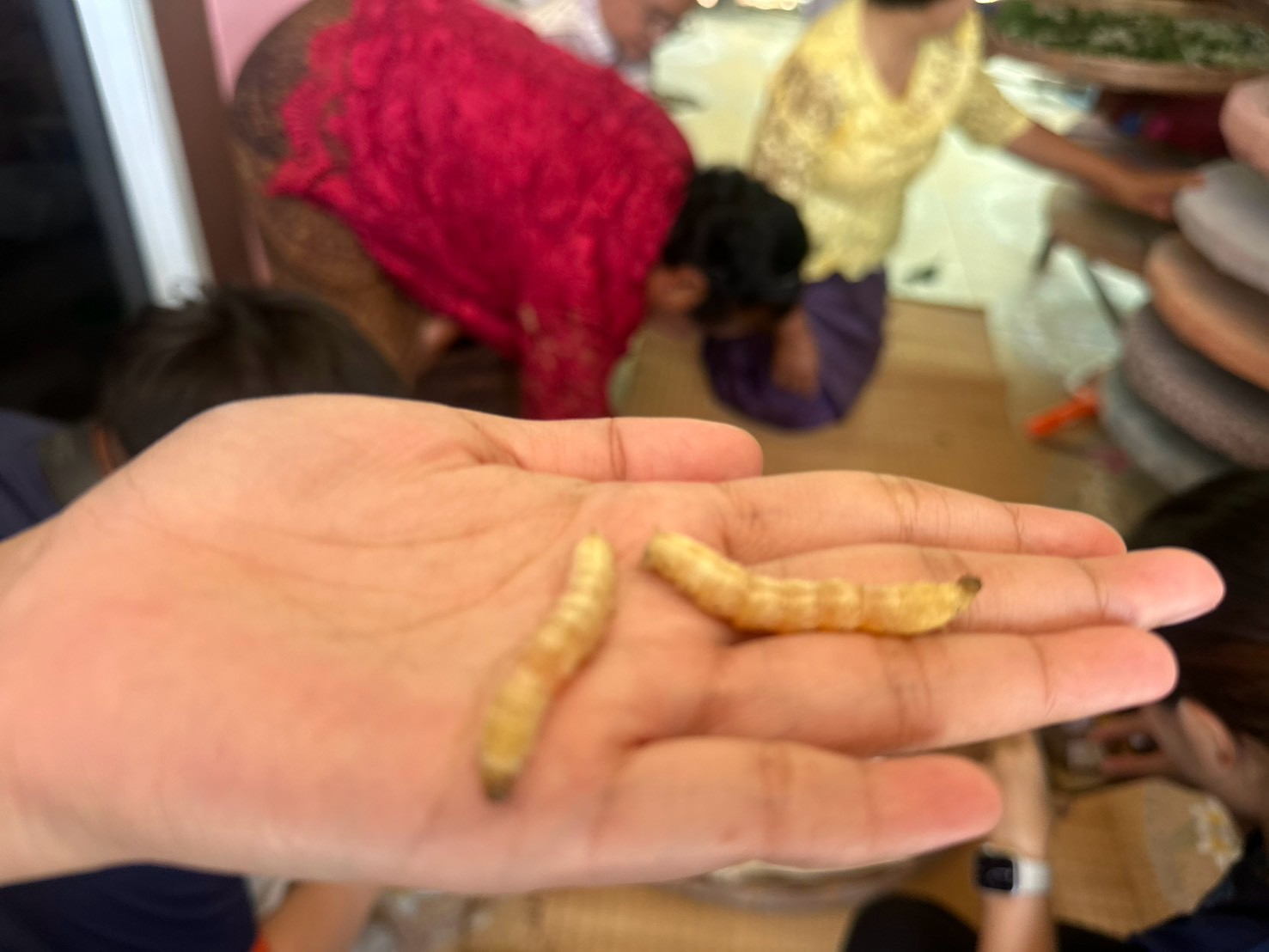
The team also examined production processes, material structures and properties, as well as by-products and residual materials generated from silk production, under the concept of “Waste to Value.” The study aims to explore the potential of transforming these materials into innovative and high-value products through research and development under the Bio-Circular-Green (BCG) Economy model. Potential future applications include cosmeceuticals, medical materials and other value-added products.
Another key objective of the project is to develop a digital knowledge database on Thai silk, local wisdom and community identity, enabling the information to be continuously utilized for education, research and knowledge development at the Chulabhorn Royal Academy. The project will also produce academic information and Design Requirements to serve as a framework for developing a distinctive Thai silk pattern representing the identity of the Chulabhorn Royal Academy in the next phase.
In addition, the “Project for the Preservation and Promotion of Thai Local Textile Arts and Culture” aims to establish a collaborative network among the Chulabhorn Royal Academy, model communities and relevant agencies in Chaiyaphum Province. The network will work together to preserve, carry forward and promote local wisdom related to Thai silk.
The project also includes the development of a Five-Year Master Plan for Knowledge Development and Innovation in Thai Silk (2026–2030), which will provide a concrete framework for future design, research and innovation development.
The initiative is closely aligned with ESG principles and the Sustainable Development Goals (SDGs). The environmental dimension focuses on studying and promoting traditional weaving practices and the use of natural dyes. The social dimension emphasizes strengthening community knowledge and creating added value for local products. The governance dimension focuses on systematic, academically grounded implementation while respecting the community’s rights over its traditional knowledge and intellectual heritage.
The “Project for the Preservation and Promotion of Thai Local Textile Arts and Culture” by the Chulabhorn Royal Academy therefore represents more than an effort to preserve Thai silk. It lays the foundation for connecting local wisdom, arts and culture, science, health and innovation to create knowledge with practical applications.
Through this initiative, the Chulabhorn Royal Academy seeks to preserve and pass on Thailand’s valuable cultural capital to future generations while transforming local wisdom into sustainable knowledge, innovation and social value—advancing sustainable development in accordance with the Academy’s mission.